By using this site, you agree to the Privacy Policy and Terms of Use.
Accept
GMJ NewsGMJ NewsGMJ News
  • Latest News
    • GMJ Briefs
  • Podcast & Media
    • Podcast Episodes
    • GMJ Audio
    • GMJ Videos
  • Research Digest
    • New Studies
    • Georgian Research
    • Data & Numbers
  • Policy & Systems
    • Health Policy
    • Quality & Safety
    • Migration & Health
    • Global Health
  • Practice
    • Clinical Updates
    • Case Discussions
    • Pharmacy & Prescribing
    • Ingredients A-Z
  • Perspectives
    • Editorial
    • Explainers
    • Voices
    • Letters
  • GMJ Articles
    • Vol. 1 Issue 2 (2026)
    • Vol. 1 Issue 1 (2026)
    • Pre-Launch Articles (2025)
  • Read the Journal →
  • About GMJ News
Notification Show More
Font ResizerAa
GMJ NewsGMJ News
Font ResizerAa
  • Latest News
    • GMJ Briefs
  • Podcast & Media
    • Podcast Episodes
    • GMJ Audio
    • GMJ Videos
  • Research Digest
    • New Studies
    • Georgian Research
    • Data & Numbers
  • Policy & Systems
    • Health Policy
    • Quality & Safety
    • Migration & Health
    • Global Health
  • Practice
    • Clinical Updates
    • Case Discussions
    • Pharmacy & Prescribing
    • Ingredients A-Z
  • Perspectives
    • Editorial
    • Explainers
    • Voices
    • Letters
  • GMJ Articles
    • Vol. 1 Issue 2 (2026)
    • Vol. 1 Issue 1 (2026)
    • Pre-Launch Articles (2025)
  • Read the Journal →
  • About GMJ News
Follow US
GMJ News > Policy & Systems > Global Health > Rare Earth Mining Creates Hidden Public Health Crisis in Myanmar
Global HealthPolicy & Systems

Rare Earth Mining Creates Hidden Public Health Crisis in Myanmar

GMJ
Last updated: 19/06/2026 09:35
By
GMJ Policy Desk
Share
6 Min Read
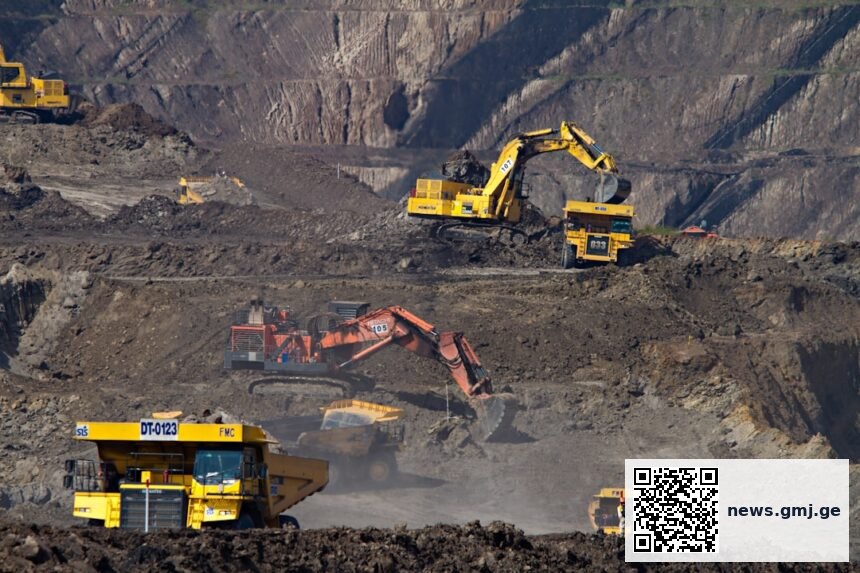
Rare earth mining operation showing environmental concerns in MyanmarIllustrative image · Photo by Dominik Vanyi on Unsplash (Unsplash License)
Rare earth mining operations in Myanmar are creating an unmonitored environmental health crisis as global demand for these critical minerals intensifies. The Lancet warns that extraction is proceeding without adequate oversight, potentially exposing local populations to severe health risks. — Photo by Dominik Vanyi on Unsplash (Unsplash License)
SHARE
4 min read|732 words

Rare earth mining operations in Myanmar are creating a largely unmonitored environmental health crisis as global demand for these critical minerals has intensified amid the renewable energy transition. The Lancet Regional Health – Southeast Asia warns that Myanmar’s rare earth extraction is proceeding without adequate environmental oversight, potentially exposing local populations to severe health risks.

Contents
      • Global Rare Earth Production and Projected Demand Growth
  • Myanmar’s Growing Role in Critical Mineral Supply
  • Health Risks Hidden by Regulatory Vacuum
  • Global Supply Chain Implications
  • Need for International Health Monitoring
    • Key takeaways
  • Frequently asked questions
    • What are rare earth elements and why are they important?
    • How does rare earth mining affect public health?
    • Why is Myanmar’s situation particularly concerning?
390,000
metric tonnes of rare earth elements produced globally in 2025

Global Rare Earth Production and Projected Demand Growth

Magnetic rare earth demand expected to triple by 2035, metric tonnes

390,000
global production
in 2025
1.17m
projected demand
by 2035
17
critical metals
in REE group

200k600k1.0m1.4m20202022202520302035

Source: The Lancet Regional Health – Southeast Asia, 2026 | Georgian Medical Journal News

Myanmar’s Growing Role in Critical Mineral Supply

Myanmar has emerged as a significant source of rare earth elements, particularly heavy rare earths (HREEs) essential for high-performance magnets used in electric vehicle motors and wind turbines. According to The Lancet commentary, these 17 metals—including neodymium, dysprosium, and terbium—are indispensable components in permanent magnets for renewable energy infrastructure, consumer electronics, defense systems, and medical imaging equipment.

Submit Your Paper
GMJ_Submit_Banner

The global green energy transition has intensified competition for these minerals, with magnetic rare earth demand projected to triple by 2035. This surge in demand has driven extraction activities in Myanmar, where ongoing conflict has created regulatory gaps that may compromise environmental health oversight.

🎙️ Related Podcast Episodes
🎧 #44 | GMJ Podcast | Infant Formula Contamination — Global Food Safety Failure and the Cereulide Outbreak · 21m
🎧 #38 | GMJ Podcast | Acne and Metabolic Dysfunction — Insulin Resistance, IGF-1, and Clinical Implications · 21m
🎧 #37 | GMJ Podcast | NAD⁺ Injections and “NAD Boosters” — Public Health Risks and Regulatory Implications · 20m
🎧 #28 | GMJ Podcast | SheniEkimi.ge #1: Top 5 Evidence-Based Public Health News · 19m
🎧 #4 Patient-Centred Care in Liver Transplantation in Georgia Professionalism, Communication, and Quality Standards in Transplant Services | GMJ Official Podcast · 17m

Health Risks Hidden by Regulatory Vacuum

The commentary raises concerns about potential health impacts from rare earth mining operations proceeding without adequate environmental monitoring. Rare earth extraction typically involves processing with acids and chemicals that can contaminate soil and water sources if not properly managed, according to research on mining-related health impacts.

Myanmar’s current political instability has created enforcement challenges for environmental regulations, potentially leaving communities near extraction sites vulnerable to exposure. The World Health Organization has previously documented health risks associated with improper mining waste management, including respiratory problems and contamination of drinking water supplies.

Global Supply Chain Implications

The situation highlights broader tensions between rapidly scaling renewable energy infrastructure and ensuring safe extraction practices for critical minerals. Major technology and automotive companies increasingly rely on rare earth supplies for electric vehicle production and renewable energy systems, creating pressure for expanded mining operations.

International health organizations have called for stronger environmental health standards in rare earth extraction, particularly in regions experiencing conflict-related displacement. The commentary suggests that current global supply chain oversight may be insufficient to protect vulnerable populations in extraction regions.

Need for International Health Monitoring

The authors emphasize that Myanmar’s rare earth mining expansion requires coordinated international attention to prevent a public health crisis. Without proper environmental health surveillance, local communities may face long-term exposure to mining-related pollutants while global industries benefit from increased rare earth availability.

This situation exemplifies broader challenges in balancing the urgent need for clean energy minerals with protecting the health of communities in extraction regions, particularly in conflict-affected areas where regulatory oversight is compromised.

Global rare earth production reached 390,000 metric tonnes in 2025, with demand for magnetic rare earths projected to triple by 2035, intensifying pressure on extraction sites like Myanmar.

— The Lancet Regional Health – Southeast Asia commentary (2026)

Key takeaways

  • Myanmar’s rare earth mining operations lack adequate environmental health oversight due to ongoing conflict
  • Global demand for magnetic rare earths is projected to triple by 2035, driving expanded extraction
  • Communities near mining sites may face exposure to contaminated soil and water without proper monitoring

Frequently asked questions

What are rare earth elements and why are they important?

Rare earth elements are 17 metals including neodymium, dysprosium, and terbium that are essential for permanent magnets in electric vehicles, wind turbines, and electronics. They are critical for the global transition to renewable energy infrastructure.

How does rare earth mining affect public health?

Mining operations can contaminate soil and water with acids and chemicals used in processing. Without proper environmental controls, nearby communities may face respiratory problems and exposure to polluted drinking water supplies.

Why is Myanmar’s situation particularly concerning?

Myanmar’s ongoing conflict has created regulatory gaps that may compromise environmental oversight of mining operations. This leaves local populations potentially vulnerable to mining-related health risks without adequate protection or monitoring.

The international community faces an urgent need to develop mechanisms for ensuring environmental health protection in conflict-affected regions where critical mineral extraction is expanding. As global demand for rare earths continues to surge, coordinated efforts will be essential to prevent Myanmar’s environmental health crisis from worsening and to establish precedents for safer extraction practices in vulnerable regions.

Source: Rare earth mining in Myanmar: an environmental health crisis hidden by conflict

Was this article helpful?

Disclaimer. This article is health journalism intended for general information and education. It is not medical advice and is not a substitute for professional diagnosis or treatment. Always consult a qualified healthcare provider about your individual circumstances. Full disclaimer →

Related Coverage

Language Barriers in Healthcare: How Communication Gaps Affect Patient Safety and Quality of CareJun 19, 2026
Pennsylvania Schools Distribute Debunked Vaccine Misinformation to Thousands of ParentsJun 18, 2026
US Dietary Guidelines 2025-2030: Mixed Progress on Nutrition as Implementation Challenges PersistJun 18, 2026
Medical Professionals Face Involuntary Practice Closure: NEJM Analysis Reveals Growing Healthcare Access CrisisJun 18, 2026
Related reference
  • Iron · Ingredient
PG
Written by
Prof. Giorgi Pkhakadze, MD, MPH, PhD
Editor-in-Chief, GMJ News
Full profile →
Medical disclaimer. This article is health journalism intended for general information. It is not medical advice and is not a substitute for consultation with a qualified healthcare professional. Always seek your physician's advice regarding any medical condition.
Medically reviewed by Prof. Giorgi Pkhakadze, MD, MPH, PhD. Spotted an error? Contact the editorial team.

Get the GMJ News digest
Evidence-based health journalism in your inbox. No spam; unsubscribe anytime.
TAGGED:environmental healthglobal-healthmining safetyMyanmarrare earth mining
Share This Article
Facebook LinkedIn Bluesky Copy Link Print
GMJ
ByGMJ Policy Desk
Follow:
GMJ Policy Desk is part of GMJ News, the newsroom of the Georgian Medical Journal (gmj.ge), published by the Public Health Institute of Georgia. Every article is editorially reviewed before publication.
Leave a Comment Leave a Comment

Leave a Reply Cancel reply

Your email address will not be published. Required fields are marked *

Submit Your Paper →

Georgia's peer-reviewed open-access medical journal. No APC until January 2027.
Submit Manuscript →
Wearable Ultrasound Patch for High-Risk Pregnancies Shows Promise in UC San Diego Trial

UC San Diego engineers develop wearable ultrasound patch for continuous fetal monitoring…

Language Barriers in Healthcare: How Communication Gaps Affect Patient Safety and Quality of Care

Language barriers in healthcare contribute to 25% of medical errors in multicultural…

New Clinical Guidelines Address Heart-Brain Multimorbidity Management

New clinical practice guidelines published in CMAJ provide evidence-based recommendations for managing…

Submit Your Paper to GMJ

No APC until January 2027.
Submit Manuscript →

You Might Also Like

Medical alert symbol with anesthesia equipment monitoring display
Quality & Safety

FDA Issues Early Alert on Draeger Anesthesia Machine Ventilator Failures

By
GMJ Policy Desk
20/05/2026
Healthcare regulatory oversight and patient safety concept
Policy & SystemsQuality & Safety

UK Nursing Regulator Failed to Screen Criminal Records for 12 Years

By
GMJ Policy Desk
28/05/2026
Hospital technology transformation showing digital integration in healthcare delivery
Health PolicyPolicy & Systems

Venture Capital Firm Transforms Ohio Hospital Through Health Technology Integration

By
GMJ Policy Desk
05/06/2026
Hospital pharmacy with AI monitoring system interface showing drug dispensing data
Policy & SystemsQuality & Safety

AI Drug Monitoring System Failed to Detect Months of Fentanyl Theft at Tennessee Hospital

By
GMJ Policy Desk
03/06/2026
Facebook Twitter Youtube Instagram
Company
  • Privacy Policy
  • Contact US
  • GMJ Journal
  • Submit Manuscript
  • Editorial Team
  • Register at GMJ
  • Terms of Use

Subscribe to GMJ News — Click here

Join Community
© 2026 Georgian Medical Journal (GMJ). Published by the Public Health Institute of Georgia (PHIG). All rights reserved.
Welcome Back!

Sign in to your account

Username or Email Address
Password

Lost your password?

Not a member? Sign Up