By using this site, you agree to the Privacy Policy and Terms of Use.
Accept
GMJ NewsGMJ NewsGMJ News
  • Latest News
    • GMJ Briefs
  • Podcast & Media
    • Podcast Episodes
    • GMJ Audio
    • GMJ Videos
  • Research Digest
    • New Studies
    • Georgian Research
    • Data & Numbers
  • Policy & Systems
    • Health Policy
    • Quality & Safety
    • Migration & Health
    • Global Health
  • Practice
    • Clinical Updates
    • Case Discussions
    • Pharmacy & Prescribing
    • Ingredients A-Z
  • Perspectives
    • Editorial
    • Explainers
    • Voices
    • Letters
  • GMJ Articles
    • Vol. 1 Issue 2 (2026)
    • Vol. 1 Issue 1 (2026)
    • Pre-Launch Articles (2025)
  • Read the Journal →
  • About GMJ News
Notification Show More
Font ResizerAa
GMJ NewsGMJ News
Font ResizerAa
  • Latest News
    • GMJ Briefs
  • Podcast & Media
    • Podcast Episodes
    • GMJ Audio
    • GMJ Videos
  • Research Digest
    • New Studies
    • Georgian Research
    • Data & Numbers
  • Policy & Systems
    • Health Policy
    • Quality & Safety
    • Migration & Health
    • Global Health
  • Practice
    • Clinical Updates
    • Case Discussions
    • Pharmacy & Prescribing
    • Ingredients A-Z
  • Perspectives
    • Editorial
    • Explainers
    • Voices
    • Letters
  • GMJ Articles
    • Vol. 1 Issue 2 (2026)
    • Vol. 1 Issue 1 (2026)
    • Pre-Launch Articles (2025)
  • Read the Journal →
  • About GMJ News
Follow US
GMJ News > GMJ Briefs > MHRA Achieves 32% Reduction in Medicine Assessment Times During 2026

MHRA Achieves 32% Reduction in Medicine Assessment Times During 2026

GMJ
Last updated: 22/06/2026 06:18
By
Prof. Giorgi Pkhakadze
Share
1 Min Read
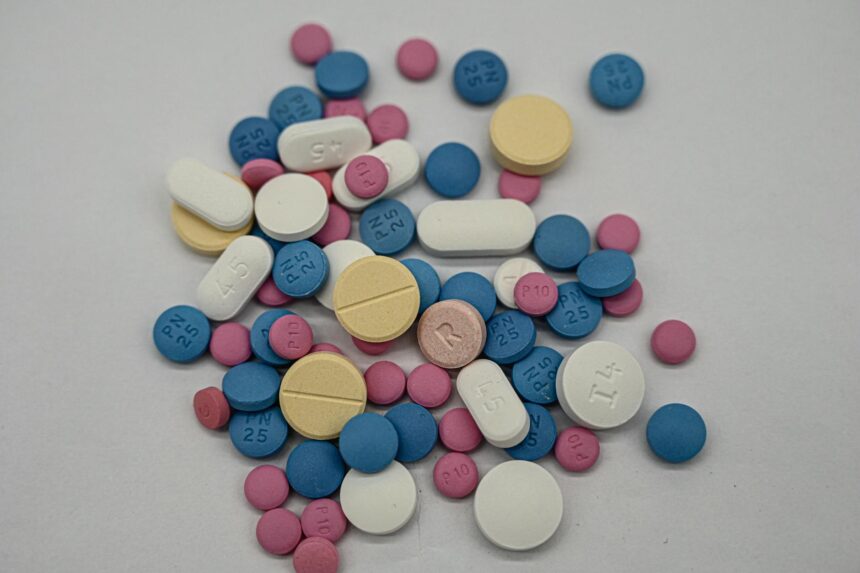
Medical pills and regulatory documents representing UK medicine approvals
The UK approved 47 new medicines in 2026, with neurological treatments leading the way. The MHRA's accelerated pathways reduced approval times by 67 days. — Photo: George Morina / Pexels
SHARE
1 min read|112 words

Data from the UK’s Medicines and Healthcare products Regulatory Agency reveals substantial improvements in regulatory efficiency, with average medicine assessment times dropping from 210 days in 2025 to 143 days in 2026. This 32% reduction in processing duration resulted from enhanced digital assessment tools and streamlined evaluation protocols implemented across the agency’s clinical updates division. The acceleration particularly benefited oncology applications, where 11 new cancer therapies received rapid approval through the Priority Medicines (PRIME) scheme—an initiative aligned with the European Medicines Agency. The MHRA’s accelerated pathways achieved an average reduction of 67 days in total approval timelines. This efficiency gain demonstrates how regulatory modernisation can expedite patient access to life-changing therapeutics without compromising safety standards or scientific rigour.

Was this article helpful?

GMJ Brief · Key Finding

📰 Read the full article: UK Approves 47 New Medicines in 2026, Including Breakthrough Alzheimer’s Treatment →

Share This Article
Facebook LinkedIn Bluesky Copy Link Print
GMJ
ByProf. Giorgi Pkhakadze
Follow:
Prof. Giorgi Pkhakadze, MD, MPH, PhD, is Editor-in-Chief of the Georgian Medical Journal and Chair of the Public Health Institute of Georgia (PHIG). He is Professor and Head of the Department of Social and Behavioural Sciences at David Tvildiani Medical University, and Secretary/Treasurer of the UEMS Section of Public Health. ORCID: 0000-0001-7609-4515.

Submit Your Paper →

Georgia's peer-reviewed open-access medical journal. No APC until January 2027.
Submit Manuscript →
Grip strength emerges as stronger mortality predictor than blood pressure in global study

Handgrip strength outperforms blood pressure as a predictor of mortality in a…

Vitamin C Does Not Boost Immunity—It Regenerates the Cells That Kill Pathogens

Vitamin C does not stimulate immunity—it regenerates the antioxidant defences of neutrophils,…

Microwave Plastic Safety: What the Science Actually Shows About Migration Into Food

Microwave heating releases measurable amounts of BPA and microplastics from plastic containers…

Submit Your Paper to GMJ

No APC until January 2027.
Submit Manuscript →

You Might Also Like

Medical illustration showing brain aneurysm cellular structure and rupture mechanisms

Cellular Atlas Unlocks the Mystery Behind Brain Aneurysm Rupture

By
Prof. Giorgi Pkhakadze
02/07/2026
Microscopic view of lab-grown brain organoids showing neural connections and regenerating nerve fibers

What Cambridge’s Organoid Breakthrough Means for Treating Nerve Damage

By
Prof. Giorgi Pkhakadze
29/06/2026
Multi-system organ involvement in chronic graft-versus-host disease showing skin, oral, gastrointestinal, liver, and pulmonary manifestations

Multi-Organ Screening Protocols Emerge as Standard of Care for Post-Transplant Complications

By
Prof. Giorgi Pkhakadze
18/07/2026
Global HealthPolicy & Systems

WHO Declares Ebola Emergency as 900+ Cases Spread Across DRC-Uganda Border

By
Prof. Giorgi Pkhakadze
31/05/2026
Facebook Twitter Youtube Instagram
Company
  • Privacy Policy
  • Contact US
  • GMJ Journal
  • Submit Manuscript
  • Editorial Team
  • Register at GMJ
  • Terms of Use

Subscribe to GMJ News — Click here

Join Community
© 2026 Georgian Medical Journal (GMJ). Published by the Public Health Institute of Georgia (PHIG). All rights reserved.
Welcome Back!

Sign in to your account

Username or Email Address
Password

Lost your password?

Not a member? Sign Up