By using this site, you agree to the Privacy Policy and Terms of Use.
Accept
GMJ NewsGMJ NewsGMJ News
  • Latest News
    • GMJ Briefs
  • Podcast & Media
    • Podcast Episodes
    • GMJ Audio
    • GMJ Videos
  • Research Digest
    • New Studies
    • Georgian Research
    • Data & Numbers
  • Policy & Systems
    • Health Policy
    • Quality & Safety
    • Migration & Health
    • Global Health
  • Practice
    • Clinical Updates
    • Case Discussions
    • Pharmacy & Prescribing
    • Ingredients A-Z
  • Perspectives
    • Editorial
    • Explainers
    • Voices
    • Letters
  • GMJ Articles
    • Vol. 1 Issue 2 (2026)
    • Vol. 1 Issue 1 (2026)
    • Pre-Launch Articles (2025)
  • Read the Journal →
  • About GMJ News
Notification Show More
Font ResizerAa
GMJ NewsGMJ News
Font ResizerAa
  • Latest News
    • GMJ Briefs
  • Podcast & Media
    • Podcast Episodes
    • GMJ Audio
    • GMJ Videos
  • Research Digest
    • New Studies
    • Georgian Research
    • Data & Numbers
  • Policy & Systems
    • Health Policy
    • Quality & Safety
    • Migration & Health
    • Global Health
  • Practice
    • Clinical Updates
    • Case Discussions
    • Pharmacy & Prescribing
    • Ingredients A-Z
  • Perspectives
    • Editorial
    • Explainers
    • Voices
    • Letters
  • GMJ Articles
    • Vol. 1 Issue 2 (2026)
    • Vol. 1 Issue 1 (2026)
    • Pre-Launch Articles (2025)
  • Read the Journal →
  • About GMJ News
Follow US
GMJ News > GMJ Briefs > New Study Identifies Brain’s Immune Gatekeepers in Dementia Resistance

New Study Identifies Brain’s Immune Gatekeepers in Dementia Resistance

GMJ
Last updated: 19/06/2026 05:41
By
Prof. Giorgi Pkhakadze
Share
1 Min Read
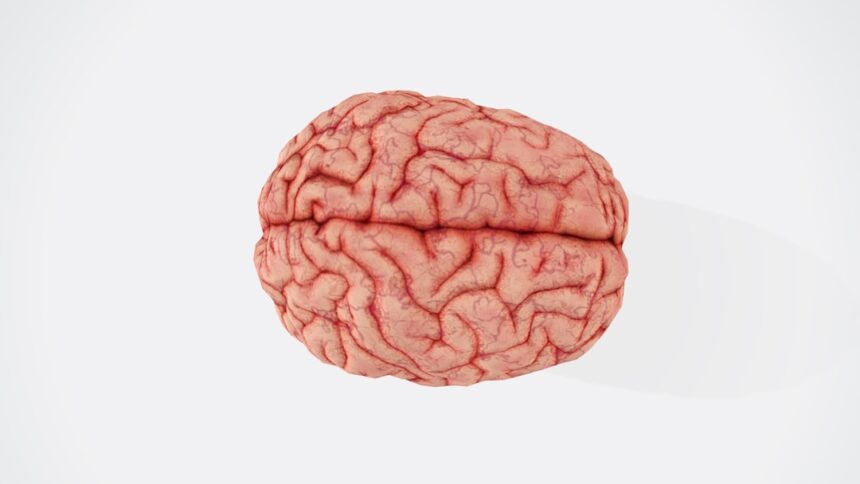
Microscopic image of microglia brain immune cells responding to amyloid and tau proteins
New Nature Medicine research reveals how brain immune cells determine whether people develop dementia or maintain cognitive resilience despite Alzheimer's pathology. Microglia undergo distinct transitions at the critical amyloid-tau intersection. — Photo by BUDDHI Kumar SHRESTHA on Unsplash (Unsplash License)
SHARE
1 min read|136 words

A groundbreaking study published in Nature Medicine reveals that microglia, the brain’s resident immune cells, play a critical role in determining whether individuals develop dementia or maintain cognitive resilience despite accumulating Alzheimer’s disease pathology. Researchers discovered that microglia undergo distinct cellular transitions at the junction where amyloid-beta plaques and tau tangles converge in the aging brain. These transitions can be either protective or harmful, fundamentally reshaping how scientists understand neuroinflammation in dementia. The findings challenge the traditional view that inflammation uniformly damages the brain, instead demonstrating that specific microglial responses can safeguard cognitive function even when pathological proteins accumulate. According to the National Institute on Aging, this inflection point represents a pivotal moment where cognitive outcomes diverge dramatically. These insights could revolutionize prevention strategies and open new therapeutic avenues for combating dementia progression in aging populations.

Was this article helpful?
GMJ Brief · Announcement

📰 Read the full article: Brain immune cells reveal why some people resist dementia despite tau tangles →

Share This Article
Facebook LinkedIn Bluesky Copy Link Print
GMJ
ByProf. Giorgi Pkhakadze
Follow:
Prof. Giorgi Pkhakadze, MD, MPH, PhD, is Editor-in-Chief of the Georgian Medical Journal and Chair of the Public Health Institute of Georgia (PHIG). He is Professor and Head of the Department of Social and Behavioural Sciences at David Tvildiani Medical University, and Secretary/Treasurer of the UEMS Section of Public Health. ORCID: 0000-0001-7609-4515.

Submit Your Paper →

Georgia's peer-reviewed open-access medical journal. No APC until January 2027.
Submit Manuscript →
Hospital Videos Improve New Fathers’ Infant Safety Knowledge, Pilot Study Shows

A pilot study published in Pediatrics Open Science demonstrates that brief educational…

Fermentation and Sustainable Gastronomy: How Chefs are Reshaping Food’s Future

Chef Jaume Biarnés demonstrates that sustainable food systems can deliver both environmental…

FDA Approves Bemotrizinol: First New Sunscreen Ingredient in 25 Years

The FDA has approved bemotrizinol, the first new sunscreen active ingredient in…

Submit Your Paper to GMJ

No APC until January 2027.
Submit Manuscript →

You Might Also Like

Virtual reality headset displaying 3D ultrasound imaging visualization technology

MIT’s Augmented Reality Platform Reimagines Ultrasound Visualization for Clinical Practice

By
Prof. Giorgi Pkhakadze
02/07/2026
UK pharmaceutical regulatory documentation showing parallel import licence statistics

UK Regulatory Framework Expands Medicine Access Through Parallel Importation Strategy

By
Prof. Giorgi Pkhakadze
09/06/2026
Healthcare professional reviewing AI-generated billing codes on computer screen

Three Ways the AI Billing Arms Race Is Affecting Your Healthcare Today

By
Prof. Giorgi Pkhakadze
03/07/2026

🚨 Ebola and Marburg haemorrhagic fevers: outbreaks and case locations

By
Prof. Giorgi Pkhakadze
05/07/2026
Facebook Twitter Youtube Instagram
Company
  • Privacy Policy
  • Contact US
  • GMJ Journal
  • Submit Manuscript
  • Editorial Team
  • Register at GMJ
  • Terms of Use

Subscribe to GMJ News — Click here

Join Community
© 2026 Georgian Medical Journal (GMJ). Published by the Public Health Institute of Georgia (PHIG). All rights reserved.
Welcome Back!

Sign in to your account

Username or Email Address
Password

Lost your password?

Not a member? Sign Up