By using this site, you agree to the Privacy Policy and Terms of Use.
Accept
GMJ NewsGMJ NewsGMJ News
  • Latest News
    • GMJ Briefs
  • Podcast & Media
    • Podcast Episodes
    • GMJ Audio
    • GMJ Videos
  • Research Digest
    • New Studies
    • Georgian Research
    • Data & Numbers
  • Policy & Systems
    • Health Policy
    • Quality & Safety
    • Migration & Health
    • Global Health
  • Practice
    • Clinical Updates
    • Case Discussions
    • Pharmacy & Prescribing
    • Ingredients A-Z
  • Perspectives
    • Editorial
    • Explainers
    • Voices
    • Letters
  • GMJ Articles
    • Vol. 1 Issue 2 (2026)
    • Vol. 1 Issue 1 (2026)
    • Pre-Launch Articles (2025)
  • Read the Journal →
  • About GMJ News
Notification Show More
Font ResizerAa
GMJ NewsGMJ News
Font ResizerAa
  • Latest News
    • GMJ Briefs
  • Podcast & Media
    • Podcast Episodes
    • GMJ Audio
    • GMJ Videos
  • Research Digest
    • New Studies
    • Georgian Research
    • Data & Numbers
  • Policy & Systems
    • Health Policy
    • Quality & Safety
    • Migration & Health
    • Global Health
  • Practice
    • Clinical Updates
    • Case Discussions
    • Pharmacy & Prescribing
    • Ingredients A-Z
  • Perspectives
    • Editorial
    • Explainers
    • Voices
    • Letters
  • GMJ Articles
    • Vol. 1 Issue 2 (2026)
    • Vol. 1 Issue 1 (2026)
    • Pre-Launch Articles (2025)
  • Read the Journal →
  • About GMJ News
Follow US
GMJ News > GMJ Briefs > Twenty Amino Acids Control Brain Chemistry: What the Data Reveals

Twenty Amino Acids Control Brain Chemistry: What the Data Reveals

GMJ
Last updated: 10/06/2026 11:55
By
Prof. Giorgi Pkhakadze
Share
1 Min Read
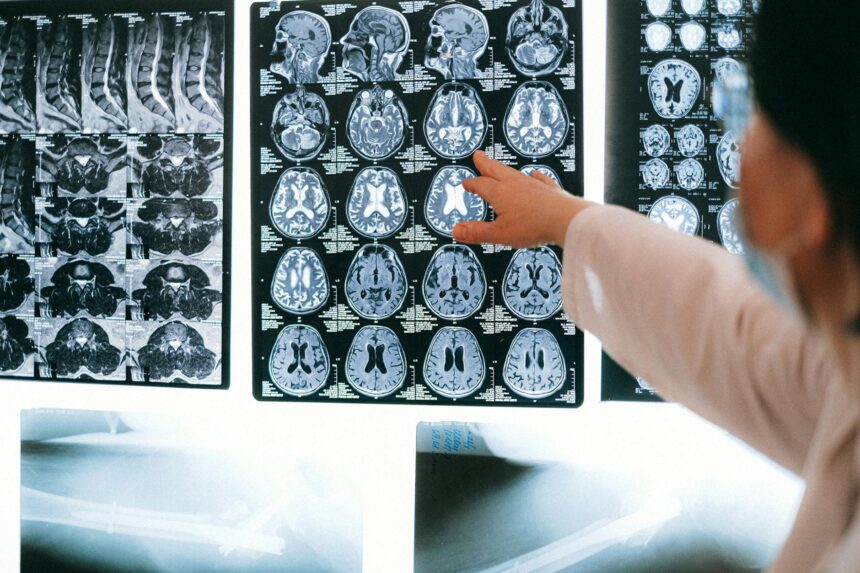
Scientific illustration showing amino acid pathways in brain neurotransmitter synthesis
New research reveals how amino acids serve as fundamental building blocks for brain chemistry, directly influencing neurotransmitter production and cognitive performance. Twenty different amino acids regulate brain function from mood to memory formation. — Photo: Anna Shvets / Pexels
SHARE
1 min read|115 words

New neurochemistry research quantifies the remarkable scope of amino acid influence on brain function: 20 different amino acids regulate neurotransmitter synthesis and brain energy metabolism. Among these, tryptophan and tyrosine demonstrate the strongest correlations with mood and cognitive performance. Research published in Neurochemistry International confirms that tryptophan represents the sole precursor for serotonin, while tyrosine hydroxylase-mediated dopamine synthesis directly impacts executive function and stress resilience. Studies in Psychopharmacology show that tyrosine supplementation significantly improves cognitive performance under stressful conditions. Additionally, branched-chain amino acids (leucine, isoleucine, and valine) serve as critical alternative fuel sources during glucose depletion. These findings establish quantifiable relationships between specific amino acids and measurable cognitive outcomes, providing evidence-based support for targeted nutritional interventions.

Was this article helpful?

GMJ Brief · Key Finding

📰 Read the full article: How Amino Acids Shape Brain Function: The Science Behind Protein and Cognition →

Share This Article
Facebook LinkedIn Bluesky Copy Link Print
GMJ
ByProf. Giorgi Pkhakadze
Follow:
Prof. Giorgi Pkhakadze, MD, MPH, PhD, is Editor-in-Chief of the Georgian Medical Journal and Chair of the Public Health Institute of Georgia (PHIG). He is Professor and Head of the Department of Social and Behavioural Sciences at David Tvildiani Medical University, and Secretary/Treasurer of the UEMS Section of Public Health. ORCID: 0000-0001-7609-4515.

Submit Your Paper →

Georgia's peer-reviewed open-access medical journal. No APC until January 2027.
Submit Manuscript →
Bones as Metabolic Organs: How Mechanical Loading Triggers Glucose Control

Bones are metabolic organs, not merely structural tissue. Mechanical loading triggers osteocalcin…

Vitamin B12 deficiency hospitalizations surge 32% in Brazil: a warning for high-income health systems

Hospital admissions for vitamin B12 deficiency rose 32% in Brazil (2016–2023) across…

Personalised Squat Biomechanics: How Individual Posture Determines Safe Exercise Form

Effective squat technique depends on individual postural alignment and structural constraints, not…

Submit Your Paper to GMJ

No APC until January 2027.
Submit Manuscript →

You Might Also Like

EBOLA OUTBREAK – DRC/UGANDA CROSS-BORDER TRANSMISSION CONFIRMED

By
Prof. Giorgi Pkhakadze
31/05/2026
Medical illustration showing prostate cancer treatment targeting multiple pathways

What Clinicians Need to Know: Triple-Drug Therapy Advances Prostate Cancer Management

By
Prof. Giorgi Pkhakadze
08/07/2026
Global HealthHealth PolicyPolicy & Systems

England and Wales recorded 346 legionellosis cases in 2025, UK health surveillance data shows

By
Prof. Giorgi Pkhakadze
25/06/2026
Global HealthPolicy & Systems

WHO Declares Public Health Emergency as Ebola Outbreak Crosses DRC-Uganda Border

By
Prof. Giorgi Pkhakadze
31/05/2026
Facebook Twitter Youtube Instagram
Company
  • Privacy Policy
  • Contact US
  • GMJ Journal
  • Submit Manuscript
  • Editorial Team
  • Register at GMJ
  • Terms of Use

Subscribe to GMJ News — Click here

Join Community
© 2026 Georgian Medical Journal (GMJ). Published by the Public Health Institute of Georgia (PHIG). All rights reserved.
Welcome Back!

Sign in to your account

Username or Email Address
Password

Lost your password?

Not a member? Sign Up