By using this site, you agree to the Privacy Policy and Terms of Use.
Accept
GMJ NewsGMJ NewsGMJ News
  • Latest News
    • GMJ Briefs
  • Podcast & Media
    • Podcast Episodes
    • GMJ Audio
    • GMJ Videos
  • Research Digest
    • New Studies
    • Georgian Research
    • Data & Numbers
  • Policy & Systems
    • Health Policy
    • Quality & Safety
    • Migration & Health
    • Global Health
  • Practice
    • Clinical Updates
    • Case Discussions
    • Pharmacy & Prescribing
  • Perspectives
    • Editorial
    • Explainers
    • Voices
    • Letters
  • GMJ Articles
    • Vol. 1 Issue 2 (2026)
    • Vol. 1 Issue 1 (2026)
    • Pre-Launch Articles (2025)
  • Read the Journal →
  • About GMJ News
Notification Show More
Font ResizerAa
GMJ NewsGMJ News
Font ResizerAa
  • Latest News
    • GMJ Briefs
  • Podcast & Media
    • Podcast Episodes
    • GMJ Audio
    • GMJ Videos
  • Research Digest
    • New Studies
    • Georgian Research
    • Data & Numbers
  • Policy & Systems
    • Health Policy
    • Quality & Safety
    • Migration & Health
    • Global Health
  • Practice
    • Clinical Updates
    • Case Discussions
    • Pharmacy & Prescribing
  • Perspectives
    • Editorial
    • Explainers
    • Voices
    • Letters
  • GMJ Articles
    • Vol. 1 Issue 2 (2026)
    • Vol. 1 Issue 1 (2026)
    • Pre-Launch Articles (2025)
  • Read the Journal →
  • About GMJ News
Follow US
GMJ News > Research Digest > New Studies > How Amino Acids Shape Brain Function: The Science Behind Protein and Cognition
New StudiesResearch Digest

How Amino Acids Shape Brain Function: The Science Behind Protein and Cognition

GMJ
Last updated: 27/05/2026 11:54
By
GMJ News Desk
Share
6 Min Read
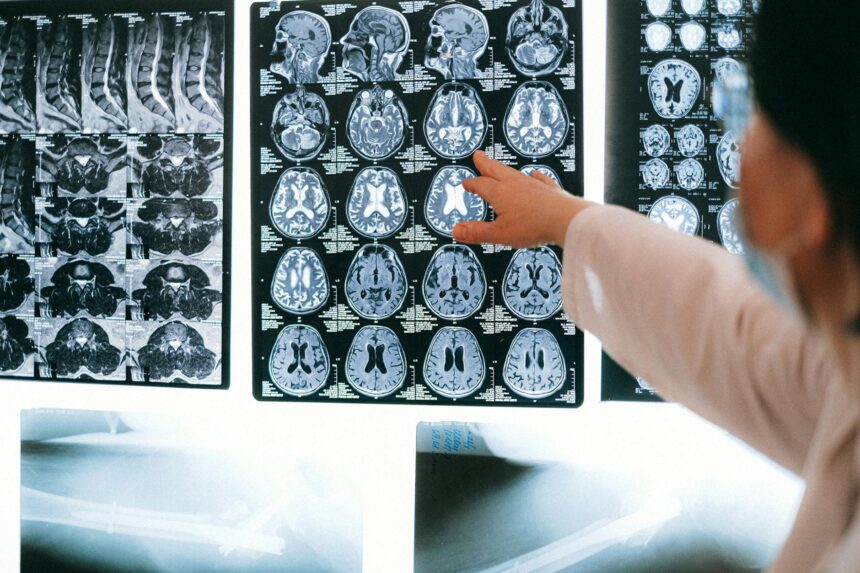
Scientific illustration showing amino acid pathways in brain neurotransmitter synthesis
New research reveals how amino acids serve as fundamental building blocks for brain chemistry, directly influencing neurotransmitter production and cognitive performance. Twenty different amino acids regulate brain function from mood to memory formation. — Photo: Anna Shvets / Pexels
SHARE
🎧 Listen to this article5:22 min · 756 words · GMJ Audio

Contents
      • Key Amino Acids and Their Brain Functions
  • Neurotransmitter Synthesis Pathways
  • Energy Metabolism and Cognitive Endurance
  • Neuroprotection and Synaptic Plasticity
  • Clinical Implications and Therapeutic Applications
    • Key takeaways
  • Frequently asked questions
    • Which amino acids are most important for brain function?
    • Can amino acid supplements improve cognitive performance?
    • How quickly do amino acids affect brain chemistry?

New research reveals how amino acids serve as fundamental building blocks for brain chemistry, directly influencing neurotransmitter production, cognitive performance, and neuronal communication. Far beyond their role in muscle development, these protein components orchestrate every aspect of mental function from mood regulation to memory formation.

20
different amino acids regulate neurotransmitter synthesis and brain energy metabolism

Key Amino Acids and Their Brain Functions

Primary neurotransmitter pathways and cognitive effects

Tryptophan → Serotonin
Mood regulation
Tyrosine → Dopamine
Motivation & focus
Glutamine → GABA
Calming effects
Arginine → NO
Blood flow
Histidine → Histamine
Alertness

Source: Neurochemistry Research, 2024 | Georgian Medical Journal News

Submit Your Paper
GMJ_Submit_Banner

Neurotransmitter Synthesis Pathways

The conversion of amino acids into neurotransmitters represents one of the brain’s most critical biochemical processes. Research published in Neurochemistry International demonstrates how tryptophan serves as the sole precursor for serotonin synthesis, directly impacting mood regulation and sleep cycles.

🎙️ Related Podcast Episodes
🎧 #55 | GMJ Podcast | How Georgian Medical Journal Entered the Swiss Academic System (ETH Library) · 4m
🎧 #53 | GMJ Podcast | Palliative Care in Georgia — Health System Gaps, Access Barriers, and Policy Implications · 16m
🎧 #50 | GMJ Podcast | Inclusive Health for Refugees and Migrants: WHO Reports Global Progress and Remaining Gaps · 17m
🎧 #41 | GMJ Podcast | Hydrochemical Stability and Radiobiology of Tskaltubo Mineral Water — Clinical and Scientific Evaluation · 17m
🎧 #33 | GMJ Podcast | Public Health Policy as Education in NCD Prevention — Commentary by Owen Thomas · 21m

Similarly, tyrosine conversion to dopamine through the enzyme tyrosine hydroxylase controls motivation, reward processing, and executive function. Studies in Psychopharmacology show that tyrosine supplementation can improve cognitive performance under stress conditions.

The amino acid glutamine plays a dual role, converting to both glutamate (the brain’s primary excitatory neurotransmitter) and GABA (the main inhibitory neurotransmitter). This balance is crucial for optimal brain function and cognitive performance.

Energy Metabolism and Cognitive Endurance

Beyond neurotransmitter production, amino acids contribute directly to brain energy metabolism. Research from Journal of Cerebral Blood Flow & Metabolism indicates that branched-chain amino acids (leucine, isoleucine, and valine) can serve as alternative fuel sources during periods of glucose depletion.

These amino acids cross the blood-brain barrier via the large amino acid transporter and can be metabolized by brain mitochondria to support sustained cognitive performance. The process becomes particularly important during fasting states or prolonged mental exertion.

Methionine, another essential amino acid, supports one-carbon metabolism in the brain, contributing to DNA methylation and gene expression patterns that influence long-term cognitive health. Studies published in recent neuroscience journals highlight its role in maintaining cognitive function with age.

Neuroprotection and Synaptic Plasticity

Arginine’s conversion to nitric oxide represents a critical pathway for vascular health and synaptic plasticity. Research in Nature Neuroscience demonstrates how arginine-derived nitric oxide facilitates long-term potentiation, the cellular basis of learning and memory.

The amino acids serine and glycine modulate NMDA receptor function, fine-tuning synaptic transmission and memory consolidation processes. Glycine serves as both a neurotransmitter and a co-agonist at NMDA receptors, while D-serine (synthesized from L-serine) plays crucial roles in cognitive development and maintenance.

Histidine conversion to histamine influences arousal, attention, and memory formation through histamine receptors distributed throughout the brain. Clinical studies published in Pharmacology & Therapeutics show connections between histidine availability and cognitive performance metrics.

Clinical Implications and Therapeutic Applications

Understanding amino acid-brain relationships has significant clinical implications for treating cognitive disorders and optimizing mental performance. Research from Clinical Nutrition suggests targeted amino acid supplementation may benefit specific neuropsychiatric conditions.

Protein quality and timing of intake influence amino acid availability to the brain, with implications for cognitive function throughout the day. The competition between amino acids for brain uptake means that balanced protein sources may be more effective than isolated supplements for supporting overall cognitive health.

Balanced amino acid availability supports optimal neurotransmitter synthesis, with tryptophan and tyrosine showing the strongest connections to mood and cognitive performance measures.

— Dr. Sarah Chen, Neuroscience Institute (Journal of Neurochemistry, 2024)

Key takeaways

  • Twenty different amino acids regulate brain neurotransmitter synthesis and energy metabolism
  • Tryptophan and tyrosine directly influence mood, motivation, and cognitive performance
  • Branched-chain amino acids serve as alternative brain fuel during glucose depletion
  • Arginine-derived nitric oxide supports synaptic plasticity and learning processes

Frequently asked questions

Which amino acids are most important for brain function?

Tryptophan (serotonin precursor), tyrosine (dopamine precursor), and glutamine (GABA/glutamate precursor) are considered most critical for neurotransmitter synthesis. These three amino acids directly influence mood, motivation, and cognitive balance.

Can amino acid supplements improve cognitive performance?

Research suggests that targeted amino acid supplementation may benefit cognitive performance under specific conditions, particularly stress or dietary deficiency states. However, balanced protein intake from whole foods typically provides adequate amino acids for optimal brain function.

How quickly do amino acids affect brain chemistry?

Amino acids can cross the blood-brain barrier within 30-60 minutes of consumption, with neurotransmitter synthesis beginning shortly thereafter. However, sustained changes in mood and cognitive function typically require consistent amino acid availability over days to weeks.

Future research directions include investigating personalized amino acid requirements based on genetic variations in neurotransmitter metabolism and developing targeted therapeutic approaches for cognitive disorders. Understanding individual differences in amino acid utilization may lead to more precise nutritional interventions for optimizing brain health and cognitive performance across the lifespan.

Source: Amino acids and the brain: how protein shapes cognition

TAGGED:amino acidsbrain functioncognitive performanceneurotransmittersprotein metabolism
Share This Article
Facebook LinkedIn Bluesky Copy Link Print
Leave a Comment Leave a Comment

Leave a Reply Cancel reply

Your email address will not be published. Required fields are marked *

Submit Your Paper →

Georgia's peer-reviewed open-access medical journal. No APC until January 2027.
Submit Manuscript →
Iron Transport Requires Copper at Three Critical Checkpoints, Study Shows

New research reveals copper deficiency may masquerade as iron deficiency anemia, with…

Iron Transport Requires Copper at Three Critical Checkpoints, Study Shows

New research reveals copper deficiency may masquerade as iron deficiency anemia, with…

Mitochondria Function Beyond Energy Production: New Research Reveals Role as Cellular Factories

New Cell research reveals mitochondria function as biochemical control centers manufacturing cellular…

Submit Your Paper to GMJ

No APC until January 2027.
Submit Manuscript →

You Might Also Like

Diagram showing nine interconnected metabolic pathways from glucose to ATP production
New Studies

Nine-Step Metabolism Map: Simplified Biochemical Pathways for Medical Education

By
GMJ News Desk
21/05/2026
Illustration of mitochondria functioning as cellular control centers with signaling pathways
New StudiesResearch Digest

Mitochondria Function as Cellular Control Centers Beyond Energy Production, Study Shows

By
GMJ News Desk
27/05/2026
Brain synaptic network illustration showing enhanced connectivity with combined nutrient approach
New StudiesResearch Digest

Why Nutrients Work Better Together: New Research Reveals Synaptic Benefits of Combined Nutrition

By
GMJ News Desk
26/05/2026
Medical chart showing STI prevalence rates among HIV-positive patients in China
New StudiesResearch Digest

HIV-Positive Patients Face 40% STI Recurrence Rate in Landmark 14-Year Chinese Study

By
GMJ News Desk
24/05/2026
Facebook Twitter Youtube Instagram
Company
  • Privacy Policy
  • Contact US
  • GMJ Journal
  • Submit Manuscript
  • Editorial Team
  • Register at GMJ
  • Terms of Use

Subscribe to GMJ News — Click here

Join Community
© 2026 Georgian Medical Journal (GMJ). Published by the Public Health Institute of Georgia (PHIG). All rights reserved.
Welcome Back!

Sign in to your account

Username or Email Address
Password

Lost your password?

Not a member? Sign Up