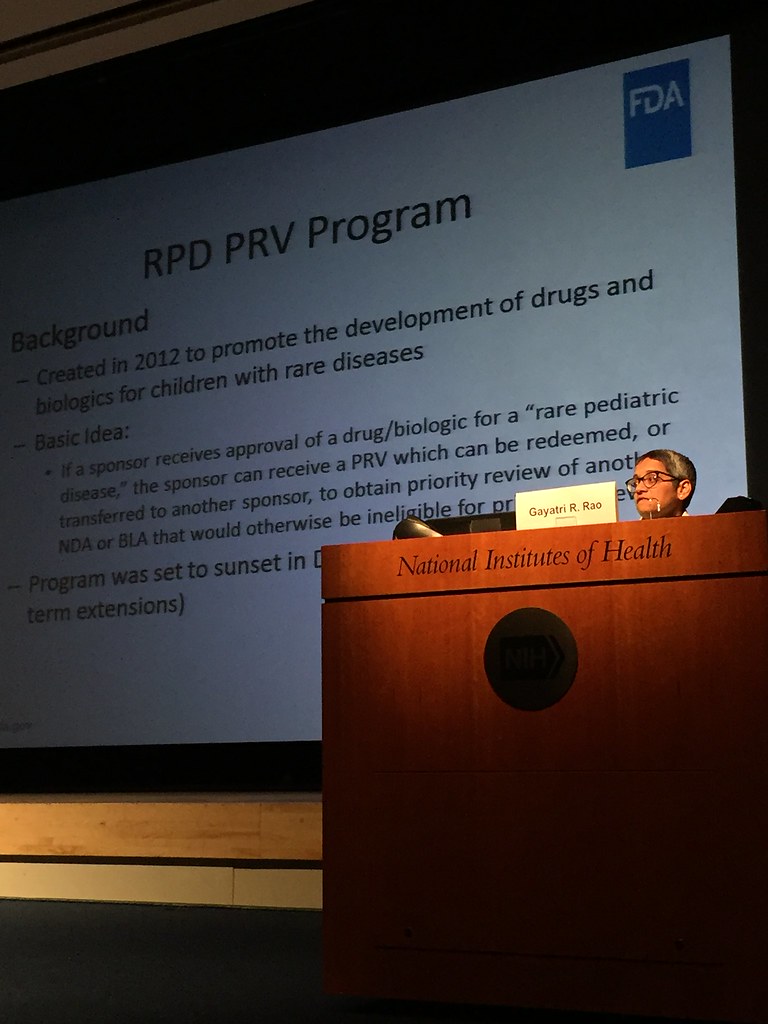
NGLY1 deficiency represents one of medicine’s most extreme rarity statistics: approximately 1 in 100,000 people globally, with fewer than 100 documented cases worldwide. This ultra-rare prevalence makes traditional clinical trial models economically unviable for pharmaceutical companies, leaving affected families without conventional research pathways. However, the Wilsey family’s initiative demonstrates how patient-led research organizations can function as de facto biotech companies, filling this critical gap. By establishing dedicated research programs and leveraging regulatory innovation, patient advocates are proving that diseases affecting fewer than 100 people deserve—and can receive—serious scientific attention. The success of this model is now prompting regulatory agencies to reconsider how they approach ultra-rare conditions, potentially transforming access to experimental therapies for the world’s most isolated patient populations. Read the full article on GMJ Newsroom.
Was this article helpful?