By using this site, you agree to the Privacy Policy and Terms of Use.
Accept
GMJ NewsGMJ NewsGMJ News
  • Latest News
    • GMJ Briefs
  • Podcast & Media
    • Podcast Episodes
    • GMJ Audio
    • GMJ Videos
  • Research Digest
    • New Studies
    • Georgian Research
    • Data & Numbers
  • Policy & Systems
    • Health Policy
    • Quality & Safety
    • Migration & Health
    • Global Health
  • Practice
    • Clinical Updates
    • Case Discussions
    • Pharmacy & Prescribing
    • Ingredients A-Z
  • Perspectives
    • Editorial
    • Explainers
    • Voices
    • Letters
  • GMJ Articles
    • Vol. 1 Issue 2 (2026)
    • Vol. 1 Issue 1 (2026)
    • Pre-Launch Articles (2025)
  • Read the Journal →
  • About GMJ News
Notification Show More
Font ResizerAa
GMJ NewsGMJ News
Font ResizerAa
  • Latest News
    • GMJ Briefs
  • Podcast & Media
    • Podcast Episodes
    • GMJ Audio
    • GMJ Videos
  • Research Digest
    • New Studies
    • Georgian Research
    • Data & Numbers
  • Policy & Systems
    • Health Policy
    • Quality & Safety
    • Migration & Health
    • Global Health
  • Practice
    • Clinical Updates
    • Case Discussions
    • Pharmacy & Prescribing
    • Ingredients A-Z
  • Perspectives
    • Editorial
    • Explainers
    • Voices
    • Letters
  • GMJ Articles
    • Vol. 1 Issue 2 (2026)
    • Vol. 1 Issue 1 (2026)
    • Pre-Launch Articles (2025)
  • Read the Journal →
  • About GMJ News
Follow US
GMJ News > GMJ Briefs > Oral Anticoagulants Emerge as Safer Alternative for Cancer Patients on Blood Thinners

Oral Anticoagulants Emerge as Safer Alternative for Cancer Patients on Blood Thinners

GMJ
Last updated: 18/07/2026 04:52
By
Prof. Giorgi Pkhakadze
Share
1 Min Read
Comparison chart showing DOAC safety and efficacy advantages over LMWH in cancer thrombosis management
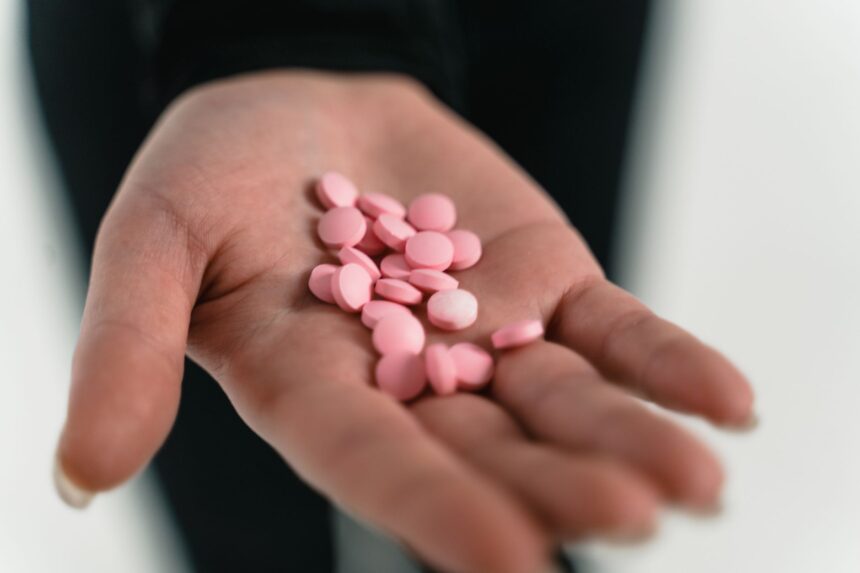
A new meta-analysis of randomized controlled trials shows that direct oral anticoagulants reduce major bleeding by 40% compared with heparin in cancer patients with blood clots, while maintaining comparable clot prevention rates. The findings suggest DOACs may become the preferred first-line treatment in eligible cancer populations. — Photo by MART PRODUCTION on Pexels (Pexels License)
SHARE
1 min read|140 words

A comprehensive meta-analysis published in Drug Safety has identified direct oral anticoagulants (DOACs) as a promising alternative to injectable heparin for cancer patients managing blood clots. The systematic review pooling data from multiple randomized controlled trials found that DOACs significantly reduce major bleeding complications while maintaining equal effectiveness in preventing clot recurrence.

Beyond safety metrics, the shift to oral anticoagulation offers tangible quality-of-life improvements for oncology patients. Unlike low-molecular-weight heparin, which requires frequent injections, DOACs provide convenient oral dosing that enhances patient adherence and reduces treatment-related burden during already challenging cancer care journeys.

While individual patient factors and cancer type remain critical considerations in treatment selection, these findings suggest DOACs warrant expanded use in eligible cancer populations. Oncology teams are encouraged to review the evidence-based analysis to optimize anticoagulation strategies for their patients.

Read the full article on GMJ Newsroom.

Submit Your Paper
GMJ_Submit_Banner

Was this article helpful?

GMJ Brief · Announcement

📰 Read the full article: Direct Oral Anticoagulants Show Promise Over Heparin in Cancer Blood Clots, New Analysis Finds →

Share This Article
Facebook LinkedIn Bluesky Copy Link Print
GMJ
ByProf. Giorgi Pkhakadze
Follow:
Prof. Giorgi Pkhakadze, MD, MPH, PhD, is Editor-in-Chief of the Georgian Medical Journal and Chair of the Public Health Institute of Georgia (PHIG). He is Professor and Head of the Department of Social and Behavioural Sciences at David Tvildiani Medical University, and Secretary/Treasurer of the UEMS Section of Public Health. ORCID: 0000-0001-7609-4515.

Submit Your Paper →

Georgia's peer-reviewed open-access medical journal. No APC until January 2027.
Submit Manuscript →
Brain Network Fragmentation at Legal Alcohol Limits Predicts Intoxication Severity, fMRI Study Shows

New fMRI research shows that at identical blood alcohol concentrations, individuals experience…

How Your Immune System Works: A Guide to Its Specialized Cells and Functions

Your immune system is an organized network of specialized cells—dendritic cells, T…

Close Contact Alone May Not Drive Influenza Transmission, Controlled Study Suggests

A controlled human challenge–transmission study found that prolonged close contact with influenza-infected…

Submit Your Paper to GMJ

No APC until January 2027.
Submit Manuscript →

You Might Also Like

Medical professional preparing enhanced flu vaccine for older adult patient

MHRA Authorizes Adjuvanted Flu Vaccine to Combat Age-Related Immune Decline

By
Prof. Giorgi Pkhakadze
22/06/2026
Illustration of platinum contact lens delivering electrical pulses for corneal reshaping

One Minute to Clear Vision: Electrical Technique Achieves Rapid Myopia Correction

By
Prof. Giorgi Pkhakadze
12/06/2026
Clinical trial data chart showing obesity drug development timeline

Monthly Dosing Could Transform Obesity Treatment Adherence Rates

By
Prof. Giorgi Pkhakadze
19/07/2026
Medical chart showing multiple body system health markers declining with sleep restriction

One Week of Short Sleep Triggers Coordinated Collapse Across Multiple Body Systems

By
Prof. Giorgi Pkhakadze
03/06/2026
Facebook Twitter Youtube Instagram
Company
  • Privacy Policy
  • Contact US
  • GMJ Journal
  • Submit Manuscript
  • Editorial Team
  • Register at GMJ
  • Terms of Use

Subscribe to GMJ News — Click here

Join Community
© 2026 Georgian Medical Journal (GMJ). Published by the Public Health Institute of Georgia (PHIG). All rights reserved.
Welcome Back!

Sign in to your account

Username or Email Address
Password

Lost your password?

Not a member? Sign Up