


GMJ Briefs

Takeaway: Small-Molecule Drugs Enable Safer, More Precise Therapeutic Genome Editing
🔬 3 key advances in controlled genome editing: 1) Small-molecule drugs act as genetic 'switches' for precise timing 2) 85%…

Three Critical Insights About Emerging Laser Heat Therapy for Dry AMD
New laser therapy for dry AMD offers prevention-focused treatment, precise temperature control, and hope for 90% of AMD patients lacking…
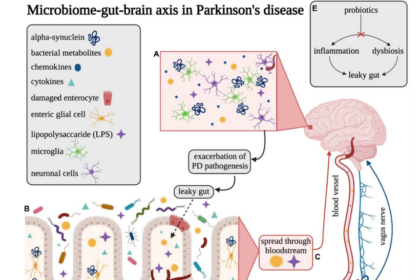
Progressive Gut Microbiome Changes Detected in Pre-Symptomatic Parkinson’s Disease
Researchers identified a coherent progression of gut microbiome changes detectable from healthy individuals through at-risk groups to symptomatic Parkinson's disease…

Brain Ages 15 Years Faster in High-Pollution, Low-Income Communities
Residents of high-pollution, low-income areas in Latin America display brain ages 15 years older than their actual age, regardless of…

Africa’s Critical Infrastructure Gap Threatens Next-Generation Sickle Cell Therapy Rollout
BMJ Global Health study reveals Africa requires major infrastructure investment to deliver next-generation sickle cell gene therapies and bridge the…

Brain Imaging Data Reframes Long COVID’s Neurological Profile
Study data shows 0% inflammation but 85% mood-related brain activity changes in long COVID patients, signaling need for treatment strategy…

Three Critical Mechanisms: How Laughter Therapy Supports Child Brain Development
Research identifies three key mechanisms through which laughter therapy enhances children's brain resilience, emotional regulation, and capacity for learning and…

How One Protein Drives Parkinson’s Disease Spread Between Brain Cells
GPNMB protein enables toxic protein transfer between neurons; blocking it with antibodies stopped disease progression in laboratory studies.