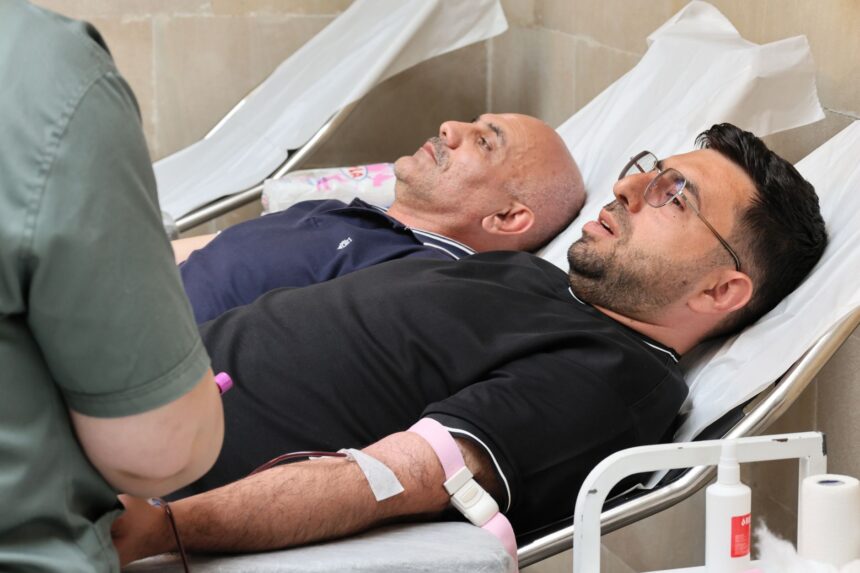
Data from the Gi4SaveLife quality improvement study reveals a compelling economic argument for community-led blood donation models in resource-limited settings. The programme achieved a 40% reduction in cost per blood unit compared to conventional NGO-led approaches—a significant saving for health systems already operating under severe budget constraints.
This cost efficiency emerged not from corner-cutting, but from sustainable donor engagement. Over eight months, 376 unique donors provided 539 units, with 161 (43%) returning as repeat donors. The sustainability metrics matter: repeat donors represent a stable, reliable blood supply without the ongoing recruitment costs of one-time drives. Notably, altruism motivated 71% of donors, while 52% cited social recognition as a key factor—suggesting that non-monetary incentives are both ethically sound and economically superior. These findings, published in BMJ Global Health, challenge the assumption that paid or family-replacement models are necessary in rural African settings.
Read the full article on GMJ Newsroom.
Was this article helpful?