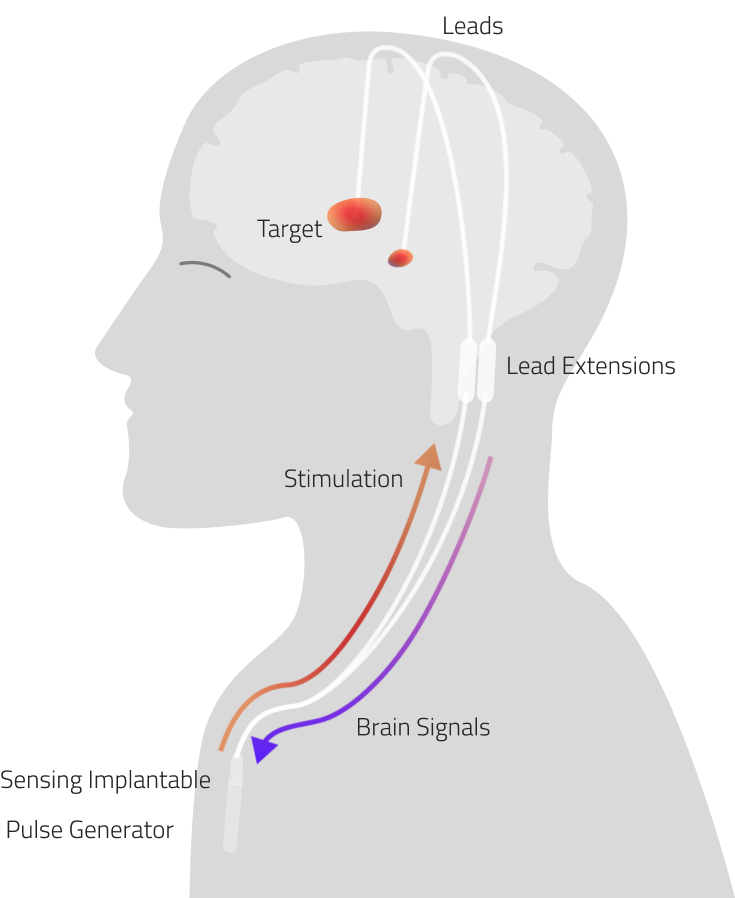
Researchers have achieved a significant advancement in Parkinson’s disease treatment through adaptive deep brain stimulation that responds dynamically to brain activity. Published in Nature Medicine, the study demonstrates how neural decoding algorithms enable DBS devices to adjust electrical stimulation in real time during movement, rather than delivering constant pulses. This breakthrough addresses a primary motor challenge in Parkinson’s disease: impaired walking ability and gait dysfunction. The adaptive approach leverages machine learning to interpret neural signals associated with locomotion, allowing the device to modify stimulation parameters moment-by-moment based on the brain’s own motor commands. This personalized, context-aware methodology represents a fundamental shift in neuromodulation therapy, moving beyond conventional fixed-parameter systems toward more sophisticated, responsive technologies that align with individual patient physiology.
Was this article helpful?