


By using this site, you agree to the Privacy Policy and Terms of Use.
Accept
GMJ NewsGMJ NewsGMJ News
  • Latest News
    • GMJ Briefs
  • Podcast & Media
    • Podcast Episodes
    • GMJ Audio
    • GMJ Videos
  • Research Digest
    • New Studies
    • Georgian Research
    • Data & Numbers
  • Policy & Systems
    • Health Policy
    • Quality & Safety
    • Migration & Health
    • Global Health
  • Practice
    • Clinical Updates
    • Case Discussions
    • Pharmacy & Prescribing
    • Ingredients A-Z
  • Perspectives
    • Editorial
    • Explainers
    • Voices
    • Letters
  • GMJ Articles
    • Vol. 1 Issue 2 (2026)
    • Vol. 1 Issue 1 (2026)
    • Pre-Launch Articles (2025)
  • Read the Journal →
  • About GMJ News
Notification Show More
Font ResizerAa
GMJ NewsGMJ News
Font ResizerAa
  • Latest News
    • GMJ Briefs
  • Podcast & Media
    • Podcast Episodes
    • GMJ Audio
    • GMJ Videos
  • Research Digest
    • New Studies
    • Georgian Research
    • Data & Numbers
  • Policy & Systems
    • Health Policy
    • Quality & Safety
    • Migration & Health
    • Global Health
  • Practice
    • Clinical Updates
    • Case Discussions
    • Pharmacy & Prescribing
    • Ingredients A-Z
  • Perspectives
    • Editorial
    • Explainers
    • Voices
    • Letters
  • GMJ Articles
    • Vol. 1 Issue 2 (2026)
    • Vol. 1 Issue 1 (2026)
    • Pre-Launch Articles (2025)
  • Read the Journal →
  • About GMJ News
Follow US
GMJ News > GMJ Briefs > Reassessing Bone Health: Systematic Review Questions Efficacy of Routine Calcium and Vitamin D Supplementation

Reassessing Bone Health: Systematic Review Questions Efficacy of Routine Calcium and Vitamin D Supplementation

GMJ
Last updated: 18/07/2026 13:52
By
Prof. Giorgi Pkhakadze
Share
1 Min Read
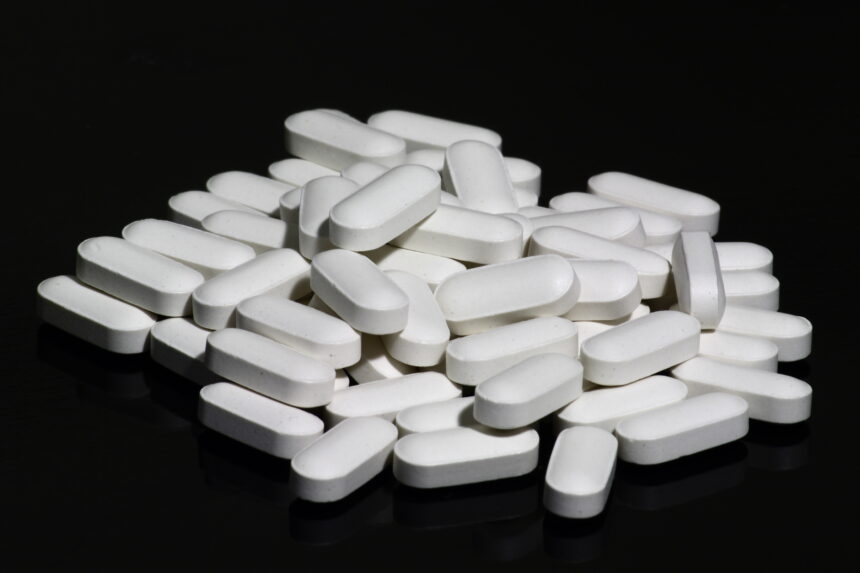
Older adult consulting with healthcare provider about bone health supplementation and fracture prevention strategies
A comprehensive systematic review of nearly 154,000 older adults challenges decades of clinical guidance, finding that calcium and vitamin D supplements provide little to no meaningful protection against fractures or falls in most older adults. — "500 mg calcium supplements with vitamin D" by Ragesoss is licensed under CC BY-SA 4.0. To view a copy of this license, visit https://creativecommons.org/licenses/by-sa/4.0/. (CC BY-SA 4.0)
SHARE
1 min read|127 words

A landmark systematic review encompassing nearly 154,000 older adults has fundamentally challenged conventional wisdom surrounding calcium and vitamin D supplementation for fracture prevention. The comprehensive analysis of randomized controlled trials reveals that these supplements—among the most widely prescribed preventive interventions globally—provide minimal to no meaningful protection against fractures or falls in most older adults. This finding contradicts decades of clinical guidance that has made supplementation a standard recommendation across multiple healthcare systems. The review raises critical questions about current supplementation practices, their cost-effectiveness, and the universality of treatment approaches. Healthcare providers and policymakers must now reassess evidence-based strategies, potentially shifting emphasis toward alternative interventions such as targeted exercise programs, optimized protein intake, and comprehensive fall prevention strategies that may offer greater clinical benefit for aging populations.

Was this article helpful?

GMJ Brief · Announcement

📰 Read the full article: Calcium and Vitamin D Supplements Show Limited Benefit for Fracture Prevention in Older Adults, Major Review Finds →

Related reference
  • Vitamin D · Ingredient
  • Calcium · Ingredient
Share This Article
Facebook LinkedIn Bluesky Copy Link Print
GMJ
ByProf. Giorgi Pkhakadze
Follow:
Prof. Giorgi Pkhakadze, MD, MPH, PhD, is Editor-in-Chief of the Georgian Medical Journal and Chair of the Public Health Institute of Georgia (PHIG). He is Professor and Head of the Department of Social and Behavioural Sciences at David Tvildiani Medical University, and Secretary/Treasurer of the UEMS Section of Public Health. ORCID: 0000-0001-7609-4515.

Submit Your Paper →

Georgia's peer-reviewed open-access medical journal. No APC until January 2027.
Submit Manuscript →
Sleep Quality Drives Daily Movement More Than Exercise Boosts Rest, 2025 Data Shows

Wearable data from 71,000 adults over 3.5 years reveal that sleep quality…

Taurine and Cancer: Separating Laboratory Findings from Dietary Risk

Recent headlines claimed taurine fuels cancer, but a Nature study of leukemia…

Sleep deprivation damages multiple body systems simultaneously, six controlled studies show

Six controlled studies show that sleep deprivation simultaneously disrupts hormonal regulation, metabolic…

Submit Your Paper to GMJ

No APC until January 2027.
Submit Manuscript →

You Might Also Like

Endoscopic view showing black esophageal mucosa characteristic of acute esophageal necrosis

Three Critical Points Clinicians Need to Know About ‘Black Esophagus’

By
Prof. Giorgi Pkhakadze
18/07/2026
Clinical trial data chart showing obesity drug development timeline

Pfizer Advances Obesity Portfolio with Promising Monthly Injection Candidate

By
Prof. Giorgi Pkhakadze
12/07/2026
MHRA regulatory database showing licensed pharmaceutical manufacturing sites

MHRA Register Tracks Two Critical Categories of Licensed Manufacturing Sites

By
Prof. Giorgi Pkhakadze
26/06/2026
Brain diagram showing stroke-related inflammation crossing between hemispheres causing bilateral pain

Breakthrough: Scientists Identify Inflammatory Pathway Behind Bilateral Post-Stroke Pain

By
Prof. Giorgi Pkhakadze
17/06/2026
Facebook Twitter Youtube Instagram
Company
  • Privacy Policy
  • Contact US
  • GMJ Journal
  • Submit Manuscript
  • Editorial Team
  • Register at GMJ
  • Terms of Use

Subscribe to GMJ News — Click here

Join Community
© 2026 Georgian Medical Journal (GMJ). Published by the Public Health Institute of Georgia (PHIG). All rights reserved.
Welcome Back!

Sign in to your account

Username or Email Address
Password

Lost your password?

Not a member? Sign Up
