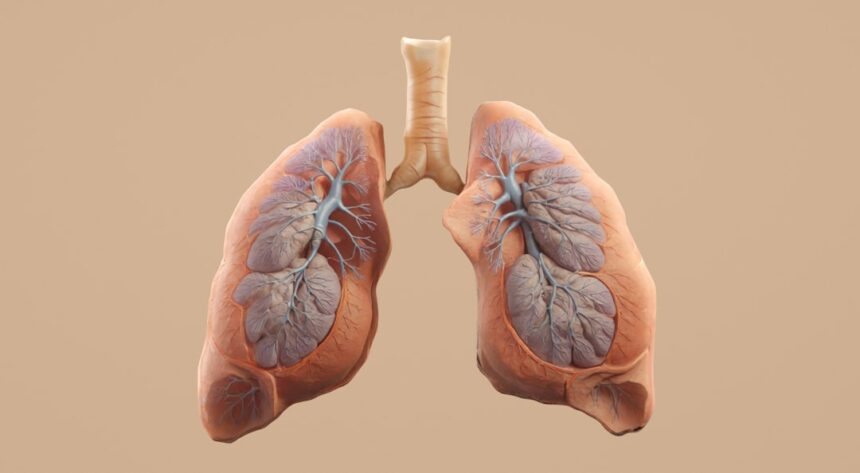
A new study from the University of Cincinnati College of Medicine is prompting clinicians to reconsider surgical policies for lung cancer patients unable to quit smoking before their procedure. Researchers examined outcomes for patients undergoing surgical resection, comparing those who continued smoking with those who had successfully quit. The findings reveal a nuanced clinical picture: while current smokers experienced significantly higher rates of pulmonary complications—including pneumonia, prolonged air leaks, and respiratory failure—short-term mortality rates remained statistically similar between the two groups. This discovery challenges the assumption that continued smoking should automatically disqualify patients from potentially life-saving surgery. The research suggests that smoking status alone may not warrant delaying surgical intervention, though pulmonary complication risks warrant enhanced perioperative monitoring and management strategies. Read the full article on GMJ Newsroom.
Was this article helpful?