By using this site, you agree to the Privacy Policy and Terms of Use.
Accept
GMJ NewsGMJ NewsGMJ News
  • Latest News
    • GMJ Briefs
  • Podcast & Media
    • Podcast Episodes
    • GMJ Audio
    • GMJ Videos
  • Research Digest
    • New Studies
    • Georgian Research
    • Data & Numbers
  • Policy & Systems
    • Health Policy
    • Quality & Safety
    • Migration & Health
    • Global Health
  • Practice
    • Clinical Updates
    • Case Discussions
    • Pharmacy & Prescribing
    • Ingredients A-Z
  • Perspectives
    • Editorial
    • Explainers
    • Voices
    • Letters
  • GMJ Articles
    • Vol. 1 Issue 2 (2026)
    • Vol. 1 Issue 1 (2026)
    • Pre-Launch Articles (2025)
  • Read the Journal →
  • About GMJ News
Notification Show More
Font ResizerAa
GMJ NewsGMJ News
Font ResizerAa
  • Latest News
    • GMJ Briefs
  • Podcast & Media
    • Podcast Episodes
    • GMJ Audio
    • GMJ Videos
  • Research Digest
    • New Studies
    • Georgian Research
    • Data & Numbers
  • Policy & Systems
    • Health Policy
    • Quality & Safety
    • Migration & Health
    • Global Health
  • Practice
    • Clinical Updates
    • Case Discussions
    • Pharmacy & Prescribing
    • Ingredients A-Z
  • Perspectives
    • Editorial
    • Explainers
    • Voices
    • Letters
  • GMJ Articles
    • Vol. 1 Issue 2 (2026)
    • Vol. 1 Issue 1 (2026)
    • Pre-Launch Articles (2025)
  • Read the Journal →
  • About GMJ News
Follow US
GMJ News > GMJ Briefs > Safer Cooking Strategies: What You Need to Know About Reducing Cancer-Risk Compounds in Your Kitchen

Safer Cooking Strategies: What You Need to Know About Reducing Cancer-Risk Compounds in Your Kitchen

GMJ
Last updated: 24/06/2026 16:08
By
Prof. Giorgi Pkhakadze
Share
1 Min Read
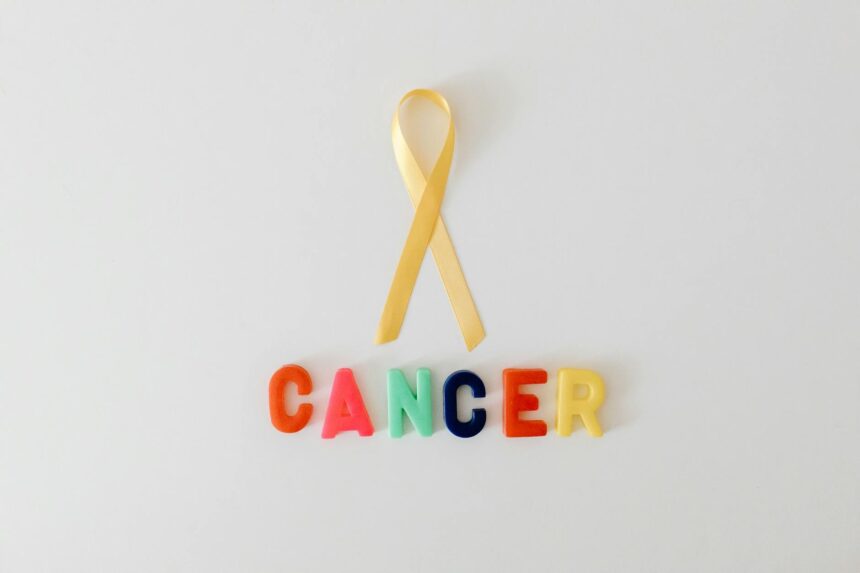
Scientific diagram showing PAH chemical formation during high temperature food cooking
Scientists have identified cancer-causing compounds called PAHs that form in foods during high-heat cooking methods like grilling and frying. The research reveals over 100 different harmful chemicals can develop during common food preparation. — Photo: Tara Winstead / Pexels
SHARE
1 min read|145 words

Understanding the relationship between cooking methods and carcinogenic compound formation empowers consumers to make informed dietary choices. Research reveals three critical insights for reducing exposure to harmful PAHs. First, high-heat cooking methods including grilling and frying generate over 100 different potentially cancer-causing compounds, with grilled meats showing particularly elevated levels. Second, regulatory agencies including the European Food Safety Authority are establishing new safety limits for smoked and processed foods in response to mounting evidence. Third, practical modifications can significantly reduce chemical formation: choosing lower cooking temperatures, selecting lean cuts of meat that produce less smoke, and opting for boiling or steaming when possible substantially decrease PAH exposure. Modern food processing facilities increasingly employ liquid smoke alternatives to maintain flavor while reducing harmful compound formation. These evidence-based strategies offer consumers meaningful ways to minimize long-term cancer risk from dietary sources. Read the full article on GMJ Newsroom.

Was this article helpful?

GMJ Brief · Takeaway

📰 Read the full article: High Heat Cooking Creates Cancer-Causing Compounds in Everyday Foods, Scientists Find →

Share This Article
Facebook LinkedIn Bluesky Copy Link Print
GMJ
ByProf. Giorgi Pkhakadze
Follow:
Prof. Giorgi Pkhakadze, MD, MPH, PhD, is Editor-in-Chief of the Georgian Medical Journal and Chair of the Public Health Institute of Georgia (PHIG). He is Professor and Head of the Department of Social and Behavioural Sciences at David Tvildiani Medical University, and Secretary/Treasurer of the UEMS Section of Public Health. ORCID: 0000-0001-7609-4515.

Submit Your Paper →

Georgia's peer-reviewed open-access medical journal. No APC until January 2027.
Submit Manuscript →
Plasma protein signatures reveal how individual cell types age and predict disease risk

Plasma proteomics can measure biological aging independently in 40+ cell types, with…

Bidi Smoking Linked to Elevated Cancer Risk in Large Indian Study

A multicentre case-control study in India links bidi smoking—hand-rolled cigarettes common in…

District-Level Tobacco Control Cuts Youth Smoking in Indonesia Despite Weak National Enforcement

District-level tobacco control measures in Indonesia have reduced adolescent smoking rates despite…

Submit Your Paper to GMJ

No APC until January 2027.
Submit Manuscript →

You Might Also Like

CoQ10 supplement comparison chart showing bioavailability differences between formulations

Your Body Converts CoQ10 Forms Efficiently—Here’s What the Data Shows

By
Prof. Giorgi Pkhakadze
10/06/2026
Endoscopic view showing black esophageal mucosa characteristic of acute esophageal necrosis

NEJM Documents Rare ‘Black Esophagus’ Case: Why Clinicians Must Know This Gastrointestinal Emergency

By
Prof. Giorgi Pkhakadze
25/06/2026

EBOLA OUTBREAK – DRC/UGANDA CROSS-BORDER SPREAD – WHO PHEIC DECLARED

By
Prof. Giorgi Pkhakadze
31/05/2026
Map showing Ebola outbreak locations in Democratic Republic of Congo and Uganda with WHO emergency response indicators

WHO Escalates Response as Ebola Crosses DRC-Uganda Border

By
Prof. Giorgi Pkhakadze
01/06/2026
Facebook Twitter Youtube Instagram
Company
  • Privacy Policy
  • Contact US
  • GMJ Journal
  • Submit Manuscript
  • Editorial Team
  • Register at GMJ
  • Terms of Use

Subscribe to GMJ News — Click here

Join Community
© 2026 Georgian Medical Journal (GMJ). Published by the Public Health Institute of Georgia (PHIG). All rights reserved.
Welcome Back!

Sign in to your account

Username or Email Address
Password

Lost your password?

Not a member? Sign Up