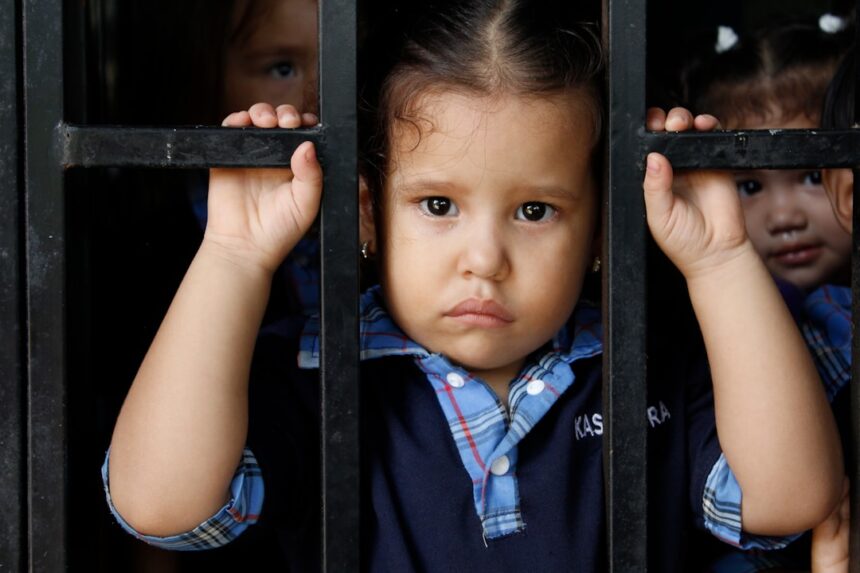
Hundreds of thousands of children across the United States—many citizens themselves—are experiencing acute mental health crises in the aftermath of parental immigration detention and deportation. Pediatricians and mental health clinicians report consistent patterns of psychological distress, with children presenting sleep disruption, behavioral regression, somatic complaints, and measurable academic decline within weeks of family separation.
These clinical observations align with established trauma research documenting long-term neurobiological consequences of childhood family separation. The symptom constellation mirrors responses seen in other adverse childhood experiences, suggesting that immigration enforcement actions create measurable public health impacts that extend far beyond legal and social domains.
Despite growing clinical awareness, pediatric and mental health systems lack standardized screening and intervention protocols for separation-related trauma. This emerging population health crisis demands coordinated clinical and systemic responses to identify affected children and provide evidence-based care during their recovery.
Read the full article on GMJ Newsroom.

Was this article helpful?