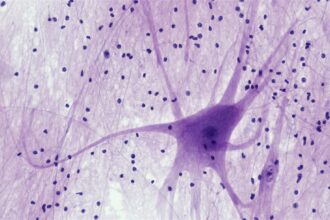
Researchers at Stanford University have unveiled a potentially transformative mechanism underlying brain aging and memory loss. The study, published in Nature Aging, demonstrates that protein-building machinery called ribosomes begin to malfunction with age, creating dangerous cellular “traffic jams” that produce misfolded proteins. Using the turquoise killifish as a model organism, Dr. Maria Baumgart’s team observed that ribosomal collisions increase progressively with age, triggering cellular stress responses that accumulate toxic protein aggregates. These faulty proteins closely resemble those found in Alzheimer’s disease and other neurodegenerative conditions. The discovery provides unprecedented insight into the cellular mechanisms of aging and opens new avenues for therapeutic intervention. By understanding how ribosomal dysfunction contributes to neurodegeneration, scientists may develop targeted treatments to prevent or slow cognitive decline in aging populations.
Was this article helpful?
GMJ Brief · Announcement
📰 Read the full article: Protein ‘Traffic Jams’ in Brain Cells May Drive Aging and Memory Loss →