By using this site, you agree to the Privacy Policy and Terms of Use.
Accept
GMJ NewsGMJ NewsGMJ News
  • Latest News
    • GMJ Briefs
  • Podcast & Media
    • Podcast Episodes
    • GMJ Audio
    • GMJ Videos
  • Research Digest
    • New Studies
    • Georgian Research
    • Data & Numbers
  • Policy & Systems
    • Health Policy
    • Quality & Safety
    • Migration & Health
    • Global Health
  • Practice
    • Clinical Updates
    • Case Discussions
    • Pharmacy & Prescribing
    • Ingredients A-Z
  • Perspectives
    • Editorial
    • Explainers
    • Voices
    • Letters
  • GMJ Articles
    • Vol. 1 Issue 2 (2026)
    • Vol. 1 Issue 1 (2026)
    • Pre-Launch Articles (2025)
  • Read the Journal →
  • About GMJ News
Notification Show More
Font ResizerAa
GMJ NewsGMJ News
Font ResizerAa
  • Latest News
    • GMJ Briefs
  • Podcast & Media
    • Podcast Episodes
    • GMJ Audio
    • GMJ Videos
  • Research Digest
    • New Studies
    • Georgian Research
    • Data & Numbers
  • Policy & Systems
    • Health Policy
    • Quality & Safety
    • Migration & Health
    • Global Health
  • Practice
    • Clinical Updates
    • Case Discussions
    • Pharmacy & Prescribing
    • Ingredients A-Z
  • Perspectives
    • Editorial
    • Explainers
    • Voices
    • Letters
  • GMJ Articles
    • Vol. 1 Issue 2 (2026)
    • Vol. 1 Issue 1 (2026)
    • Pre-Launch Articles (2025)
  • Read the Journal →
  • About GMJ News
Follow US
GMJ News > GMJ Briefs > Study Reveals Unexpected Severity of Brain Damage from Anti-Aging Drug Combination

Study Reveals Unexpected Severity of Brain Damage from Anti-Aging Drug Combination

GMJ
Last updated: 12/06/2026 00:45
By
Prof. Giorgi Pkhakadze
Share
1 Min Read
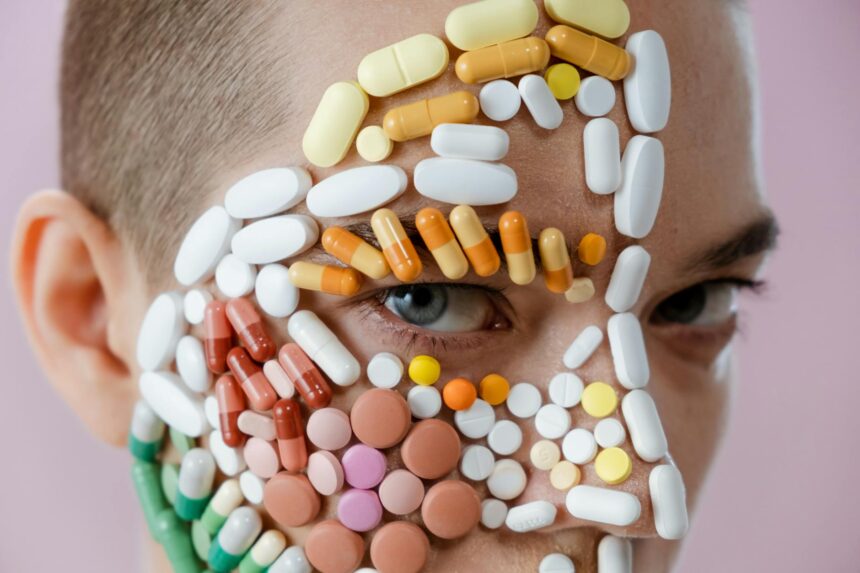
Microscopic image showing damaged brain tissue from anti-aging drug treatment in laboratory mice
A widely researched anti-aging drug combination caused severe brain damage in mice, including myelin loss and cognitive changes resembling "chemo brain." The findings raise urgent safety questions about compounds being explored for human longevity treatments. — Photo: cottonbro studio / Pexels
SHARE
1 min read|127 words

New research demonstrates that a commonly studied anti-aging drug combination produces severe myelin loss in laboratory mice—a finding that exceeded researchers’ initial safety predictions. The neurological damage observed was substantially more pronounced than anticipated, with treated animals displaying marked cognitive impairments and cellular changes characteristic of demyelinating diseases.

Myelin, the critical insulating material surrounding nerve fibers, showed significant deterioration in treated subjects. This substantial damage raises immediate questions about the translational safety of such compounds for human populations. The severity of neurological effects documented in this preclinical model suggests that current anti-aging drug candidates may carry unrecognized risks that warrant careful reassessment before human clinical development proceeds.

These findings highlight the importance of rigorous safety monitoring in longevity research. Read the full article on GMJ Newsroom.

Was this article helpful?

GMJ Brief · Key Finding

📰 Read the full article: Popular Anti-Aging Drug Combination Causes Severe Brain Damage in Mice →

Share This Article
Facebook LinkedIn Bluesky Copy Link Print
GMJ
ByProf. Giorgi Pkhakadze
Follow:
Prof. Giorgi Pkhakadze, MD, MPH, PhD, is Editor-in-Chief of the Georgian Medical Journal and Chair of the Public Health Institute of Georgia (PHIG). He is Professor and Head of the Department of Social and Behavioural Sciences at David Tvildiani Medical University, and Secretary/Treasurer of the UEMS Section of Public Health. ORCID: 0000-0001-7609-4515.

Submit Your Paper →

Georgia's peer-reviewed open-access medical journal. No APC until January 2027.
Submit Manuscript →
Coeliac Disease Linked to Increased Death Risk and Cancer in Major US Study

Major US study of 60,000+ patients reveals coeliac disease patients face 39%…

Paralympic Doctor Returns to Sport as Blind Athlete with Guide Runner

Dr Oscar, a former Paralympic competitor turned medical professional, returns to sport…

World’s First Rooftop ICU Opens in London to Study Nature’s Role in Patient Recovery

King's College Hospital in London opens the world's first rooftop ICU to…

Submit Your Paper to GMJ

No APC until January 2027.
Submit Manuscript →

You Might Also Like

EBOLA OUTBREAK – CROSS-BORDER TRANSMISSION DRC-UGANDA

By
Prof. Giorgi Pkhakadze
31/05/2026
Healthcare professional reviewing AI-generated billing codes on computer screen

When Billing Trumps Medicine: How AI Arms Race Is Reshaping Clinical Care

By
Prof. Giorgi Pkhakadze
10/06/2026
Scientific illustration of cell division failure showing tetraploid cells with doubled DNA content

The Tetraploidy Puzzle: Understanding Why Abnormal Cells Don’t Always Die

By
Prof. Giorgi Pkhakadze
10/06/2026
Bronchoscopic view showing black carbon deposits in bronchial airways from coal dust exposure

NEJM Case Highlights Occupational Lung Disease in Global Mining Workforce

By
Prof. Giorgi Pkhakadze
06/06/2026
Facebook Twitter Youtube Instagram
Company
  • Privacy Policy
  • Contact US
  • GMJ Journal
  • Submit Manuscript
  • Editorial Team
  • Register at GMJ
  • Terms of Use

Subscribe to GMJ News — Click here

Join Community
© 2026 Georgian Medical Journal (GMJ). Published by the Public Health Institute of Georgia (PHIG). All rights reserved.
Welcome Back!

Sign in to your account

Username or Email Address
Password

Lost your password?

Not a member? Sign Up