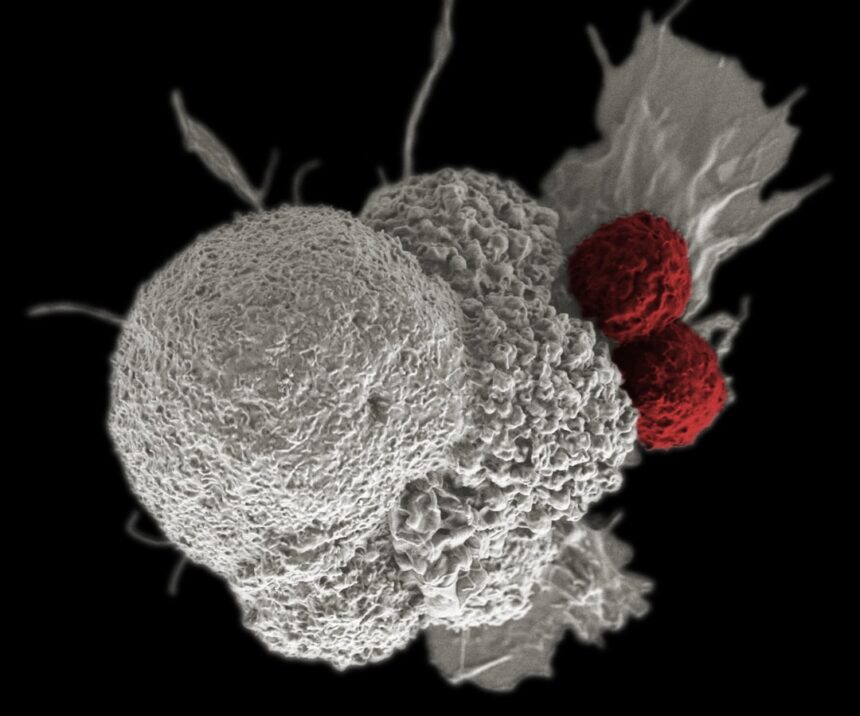
A striking statistic illuminates the vast distance between promising laboratory findings and approved cancer treatments: only approximately 5% of compounds showing anti-cancer activity in cell cultures successfully translate to approved clinical therapies. This sobering translation rate underscores why preliminary research findings, while scientifically interesting, cannot be presented as clinical solutions. Ivermectin exemplifies this gap. Despite demonstrating measurable activity against certain cancer cell lines in controlled laboratory settings, the medication has not undergone the mandatory phase 1 safety trials, phase 2 efficacy assessments, or phase 3 comparative effectiveness studies required to establish clinical recommendations. Social media platforms have filled this evidence void by promoting ivermectin as a cancer cure based solely on in vitro research, potentially misleading patients away from established, evidence-based oncology treatments. Understanding this translation bottleneck is essential for distinguishing genuine medical breakthroughs from preliminary observations. Read the full article on GMJ Newsroom.
Was this article helpful?