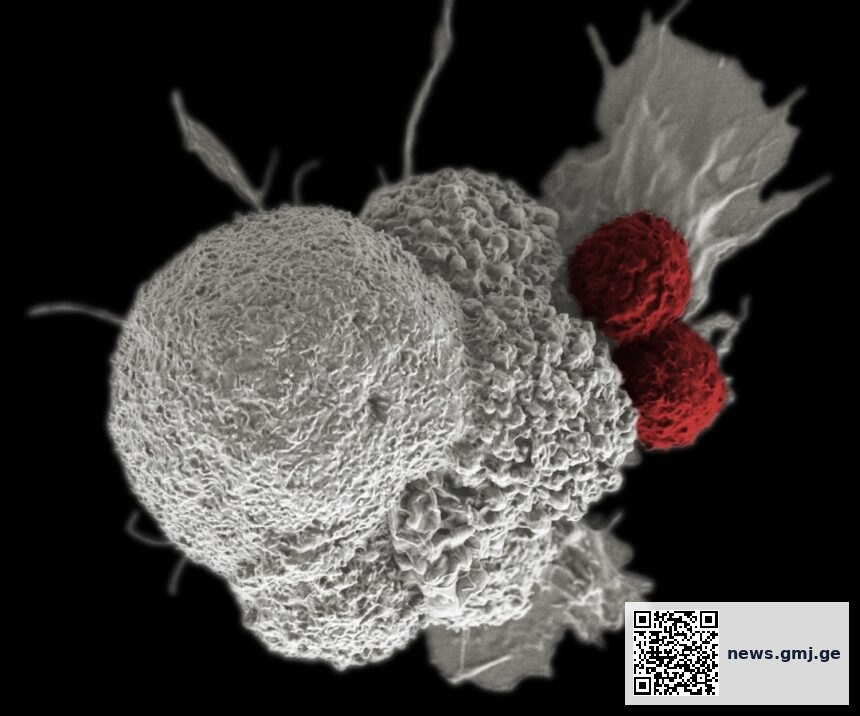
Ivermectin, an antiparasitic drug approved for treating parasitic infections and rosacea, has become the subject of widespread online claims about cancer treatment efficacy—assertions that significantly outpace the current scientific evidence base. The gap between preliminary laboratory findings and clinical evidence has created what researchers describe as a critical window for misinformation to spread faster than peer-reviewed data can accumulate.
Key takeaways
- Ivermectin shows only preliminary laboratory activity against some cancer cell lines; no robust clinical trials in humans confirm anti-cancer benefit
- Social media amplification of early-stage research findings creates a credibility gap that outpaces the normal pace of scientific validation
- The evidence gap between in vitro studies and clinical efficacy is being filled by influencer claims rather than peer-reviewed clinical data
🟡 Preliminary Evidence
The laboratory-to-clinic translation gap
In vitro and animal studies examining ivermectin’s effects on cancer cell lines have shown some activity in controlled laboratory settings. However, the critical distinction between cell culture findings and human clinical efficacy remains largely unaddressed by rigorous randomized controlled trials. As research in molecular biology has documented, thousands of compounds demonstrate anti-cancer properties in laboratory models each year, yet fewer than 5% advance to successful clinical translation.
This translation bottleneck is fundamental to medical science. Laboratory findings require validation through phase 1 safety trials, phase 2 efficacy assessments, and phase 3 comparative effectiveness studies before clinical recommendation. Ivermectin currently lacks this formal clinical pathway for cancer treatment.

The Research Translation Pipeline: From Lab to Clinic
Estimated progression rates through clinical trial phases for anti-cancer compounds
Source: Translational Oncology Research Literature | Georgian Medical Journal News
How social media accelerates unvalidated claims
Science operates on a publication timeline measured in months to years: peer review, revision, journal acceptance, and dissemination. Social media operates on a timeline measured in hours. According to research on health misinformation spread published in JAMA Network Open, preliminary findings posted to social platforms reach far larger audiences than the eventual contradicting peer-reviewed analyses that may follow months later.
In the case of ivermectin and cancer, influencers have extrapolated from early laboratory studies to make definitive claims about clinical efficacy without waiting for human trial data. This compression of the scientific narrative—collapsing the distinction between “shows activity in cells” and “treats cancer in patients”—bypasses the intermediate evidence steps that regulate approval and clinical use. Clinical updates on drug safety and efficacy undergo formal institutional review, whereas social media posts do not.
Regulatory and clinical consequences
Cancer patients who delay or abandon proven treatments (chemotherapy, immunotherapy, radiation, surgery) in favour of off-label ivermectin face documented harm. No major oncology guidelines—including those from the U.S. National Cancer Institute, European Society for Medical Oncology (ESMO), or national cancer centre authorities—recommend ivermectin for any malignancy.
This creates a paradox: patients informed primarily by social media may believe they have discovered an underutilized treatment that the medical establishment suppresses, when in fact the absence of clinical evidence is itself the reason for non-adoption. Regulatory bodies require robust evidence of safety and efficacy before recommending a drug shift from one indication (parasitic disease) to another (cancer). Ivermectin has not completed this evidence pathway for oncology.
Laboratory findings showing anti-cancer activity in cell cultures do not constitute evidence of clinical efficacy in humans. The translation from in vitro to clinical practice requires phase 1, 2, and 3 human trials—a process that ivermectin has not undergone for cancer treatment.
— Translational oncology consensus, peer-reviewed literature
Evaluating health claims in an era of information asymmetry
For patients and the public, discerning credible information requires recognizing this asymmetry: influencers and content creators have incentive and speed; clinicians and researchers have evidence but slower communication pathways. Questions worth asking include: Has this been tested in human trials? Were the trials published in peer-reviewed journals? Do major clinical guidelines recommend this use? Have regulatory agencies (FDA, EMA, national authorities) approved this indication?
For ivermectin and cancer, the answer to all four questions is currently no. Evidence-based health explainers can help the public understand why preliminary findings, while scientifically interesting, do not yet warrant clinical adoption. The pace of social media will not change, but literacy around evidence hierarchies can reduce the window in which misinformation operates unopposed.
What this means
Frequently asked questions
Why don’t researchers test ivermectin in cancer patients if it shows activity in cells?
Researchers do sometimes pursue promising compounds from laboratory studies into human trials. However, funding, regulatory approval, and scientific priority-setting mean that only a small fraction of laboratory findings proceed to clinical trials. Ivermectin is already approved for other indications, so repurposing it for cancer would still require formal efficacy and safety trials, which are expensive and time-consuming. The absence of such trials is not evidence of suppression—it reflects the normal bottleneck in drug development.
Can I take ivermectin alongside my cancer treatment?
This is a question for your oncologist, not social media. Ivermectin can interact with other medications and may have unpredictable effects in cancer patients with compromised immunity or organ function. Mixing unproven supplements or off-label drugs with chemotherapy, immunotherapy, or radiation can reduce the efficacy of proven treatments or cause unexpected toxicity. Always disclose any supplements or alternative treatments to your clinical team.
How can I tell if a health claim on social media is credible?
Look for: published peer-reviewed studies (not just links to social media); clinical trials in humans (not just cell cultures or animals); regulatory approval or guideline recommendation from major health authorities; and attribution to named researchers with institutional affiliations. Be sceptical of claims from influencers without medical credentials, testimonials from unnamed patients, and comparisons framed as “what doctors don’t want you to know.”
The speed of social media and the pace of scientific evidence are now fundamentally mismatched. Patients and the public need not wait passively for the gap to close—they can equip themselves with the critical questions that distinguish preliminary findings from clinical evidence, and recognize that the absence of an approved use is itself meaningful data. For ivermectin and cancer, that distinction remains crucial to ensuring that hope does not override evidence.
Source: Ivermectin isn’t a cancer miracle drug, but influencers claim otherwise – here’s how to avoid sprinting past scientific evidence, The Conversation
Was this article helpful?
Disclaimer. This article is health journalism intended for general information and education. It is not medical advice and is not a substitute for professional diagnosis or treatment. Always consult a qualified healthcare provider about your individual circumstances. Full disclaimer →
Related Coverage



Editorial standards. This article was produced under the GMJ News editorial process, with oversight by the GMJ Editorial Board. Our editorial process. Spotted an error? Contact the editorial team.