By using this site, you agree to the Privacy Policy and Terms of Use.
Accept
GMJ NewsGMJ NewsGMJ News
  • Latest News
    • GMJ Briefs
  • Podcast & Media
    • Podcast Episodes
    • GMJ Audio
    • GMJ Videos
  • Research Digest
    • New Studies
    • Georgian Research
    • Data & Numbers
  • Policy & Systems
    • Health Policy
    • Quality & Safety
    • Migration & Health
    • Global Health
  • Practice
    • Clinical Updates
    • Case Discussions
    • Pharmacy & Prescribing
    • Ingredients A-Z
  • Perspectives
    • Editorial
    • Explainers
    • Voices
    • Letters
  • Health Topics
  • GMJ Articles
    • Vol. 1 Issue 2 (2026)
    • Vol. 1 Issue 1 (2026)
    • Pre-Launch Articles (2025)
  • Read the Journal →
  • About GMJ News
Notification Show More
Font ResizerAa
GMJ NewsGMJ News
Font ResizerAa
  • Latest News
    • GMJ Briefs
  • Podcast & Media
    • Podcast Episodes
    • GMJ Audio
    • GMJ Videos
  • Research Digest
    • New Studies
    • Georgian Research
    • Data & Numbers
  • Policy & Systems
    • Health Policy
    • Quality & Safety
    • Migration & Health
    • Global Health
  • Practice
    • Clinical Updates
    • Case Discussions
    • Pharmacy & Prescribing
    • Ingredients A-Z
  • Perspectives
    • Editorial
    • Explainers
    • Voices
    • Letters
  • Health Topics
  • GMJ Articles
    • Vol. 1 Issue 2 (2026)
    • Vol. 1 Issue 1 (2026)
    • Pre-Launch Articles (2025)
  • Read the Journal →
  • About GMJ News
Follow US
GMJ News > GMJ Briefs > The 9-Cent Sleep Solution: Glycine’s Cost-Benefit Case

The 9-Cent Sleep Solution: Glycine’s Cost-Benefit Case

GMJ
Last updated: 04/08/2026 09:30
By
Prof. Giorgi Pkhakadze
Share
1 Min Read
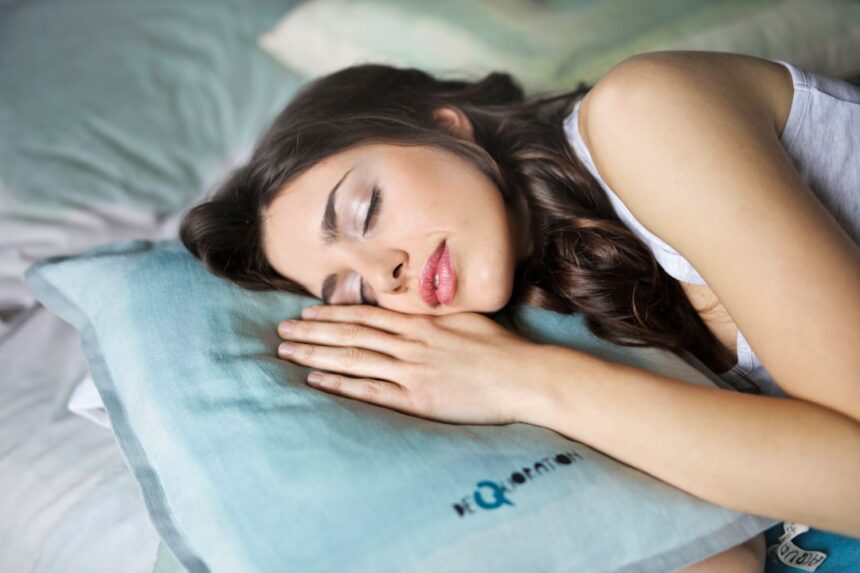
Diagram of glycine thermoregulatory pathway: NMDA receptor → suprachiasmatic nucleus → medial preoptic area → peripheral vasodilation → core temperature drop
Glycine triggers sleep by lowering core body temperature through activation of the suprachiasmatic nucleus and peripheral vasodilation—the same thermoregulatory cascade that naturally precedes sleep onset. Animal studies and human trials confirm this mechanism, showing reduced sleep-onset latency at a cost of nine cents per dose. — Photo by bruce mars on Unsplash (Unsplash License)
SHARE
1 min read|115 words

A growing body of clinical evidence supports glycine as a remarkably affordable sleep aid. At roughly 9 cents per 3-gram dose, glycine reduces sleep-onset latency by triggering peripheral vasodilation—the body’s natural pre-sleep temperature drop—without the grogginess or dependency risks associated with sedative medications.

The mechanism has been rigorously validated: glycine activates the suprachiasmatic nucleus, mimicking the thermoregulatory cascade that normally precedes natural sleep. Studies by Kawai and colleagues demonstrated that ablating this brain region completely eliminated glycine’s sleep and cooling effects, confirming the pathway’s biological specificity.

For patients and health systems seeking evidence-based, low-cost interventions, glycine offers a compelling alternative grounded in neurobiology rather than chemical sedation. Read the full article on GMJ Newsroom.

Was this article helpful?

GMJ Brief · Key Finding

📰 Read the full article: How glycine lowers core body temperature to trigger sleep—a thermostat mechanism →

Related reference
  • Glycine · Ingredient
Share This Article
Facebook LinkedIn Bluesky Copy Link Print
GMJ
ByProf. Giorgi Pkhakadze
Follow:
Prof. Giorgi Pkhakadze, MD, MPH, PhD, is Editor-in-Chief of the Georgian Medical Journal and Chair of the Public Health Institute of Georgia (PHIG). He is Professor and Head of the Department of Social and Behavioural Sciences at David Tvildiani Medical University, and Secretary/Treasurer of the UEMS Section of Public Health. ORCID: 0000-0001-7609-4515.

Submit Your Paper →

Georgia's peer-reviewed open-access medical journal. No APC until January 2027.
Submit Manuscript →
Coffee’s Dose-Response Puzzle: Why 2–3 Cups Daily May Shield Against Dementia

Moderate coffee consumption—2 to 3 cups daily—is associated with the lowest dementia…

Bedroom Light at Night Linked to Metabolic Harm: What the Evidence Shows

Moderate bedroom light exposure triggers measurable metabolic harm within a single night…

Creatine and Kidney Damage: What the Evidence Actually Shows

A 2025 systematic review of 21 studies and analysis of 685 clinical…

Submit Your Paper to GMJ

No APC until January 2027.
Submit Manuscript →

You Might Also Like

Global HealthPolicy & Systems

WHO Declares Ebola Outbreak in Democratic Republic of Congo Public Health Emergency

By
Prof. Giorgi Pkhakadze
31/05/2026
Global HealthPolicy & Systems

COVID-19 pandemic exposed critical gaps in global health diplomacy competencies

By
Prof. Giorgi Pkhakadze
26/05/2026
Chart showing divergent STI trends in England with herpes cases rising

Data Alert: Genital Herpes Cases Climbing While Other STIs Fall in England

By
Prof. Giorgi Pkhakadze
16/06/2026
Medical illustration showing pregnancy medication safety considerations and NSAID research

Managing Pain in Early Pregnancy: What Patients and Clinicians Need to Know About NSAIDs

By
Prof. Giorgi Pkhakadze
16/07/2026
Facebook Twitter Youtube Instagram
Company
  • Privacy Policy
  • Contact US
  • GMJ Journal
  • Submit Manuscript
  • Editorial Team
  • Register at GMJ
  • Terms of Use

Subscribe to GMJ News — Click here

Join Community
© 2026 Georgian Medical Journal (GMJ). Published by the Public Health Institute of Georgia (PHIG). All rights reserved.
Welcome Back!

Sign in to your account

Username or Email Address
Password

Lost your password?

Not a member? Sign Up