By using this site, you agree to the Privacy Policy and Terms of Use.
Accept
GMJ NewsGMJ NewsGMJ News
  • Latest News
    • GMJ Briefs
  • Podcast & Media
    • Podcast Episodes
    • GMJ Audio
    • GMJ Videos
  • Research Digest
    • New Studies
    • Georgian Research
    • Data & Numbers
  • Policy & Systems
    • Health Policy
    • Quality & Safety
    • Migration & Health
    • Global Health
  • Practice
    • Clinical Updates
    • Case Discussions
    • Pharmacy & Prescribing
    • Ingredients A-Z
  • Perspectives
    • Editorial
    • Explainers
    • Voices
    • Letters
  • GMJ Articles
    • Vol. 1 Issue 2 (2026)
    • Vol. 1 Issue 1 (2026)
    • Pre-Launch Articles (2025)
  • Read the Journal →
  • About GMJ News
Notification Show More
Font ResizerAa
GMJ NewsGMJ News
Font ResizerAa
  • Latest News
    • GMJ Briefs
  • Podcast & Media
    • Podcast Episodes
    • GMJ Audio
    • GMJ Videos
  • Research Digest
    • New Studies
    • Georgian Research
    • Data & Numbers
  • Policy & Systems
    • Health Policy
    • Quality & Safety
    • Migration & Health
    • Global Health
  • Practice
    • Clinical Updates
    • Case Discussions
    • Pharmacy & Prescribing
    • Ingredients A-Z
  • Perspectives
    • Editorial
    • Explainers
    • Voices
    • Letters
  • GMJ Articles
    • Vol. 1 Issue 2 (2026)
    • Vol. 1 Issue 1 (2026)
    • Pre-Launch Articles (2025)
  • Read the Journal →
  • About GMJ News
Follow US
GMJ News > GMJ Briefs > The Freshness Illusion: Why ‘Extra Virgin’ Olive Oil Labels Miss the Health Story

The Freshness Illusion: Why ‘Extra Virgin’ Olive Oil Labels Miss the Health Story

GMJ
Last updated: 31/07/2026 11:30
By
Prof. Giorgi Pkhakadze
Share
1 Min Read
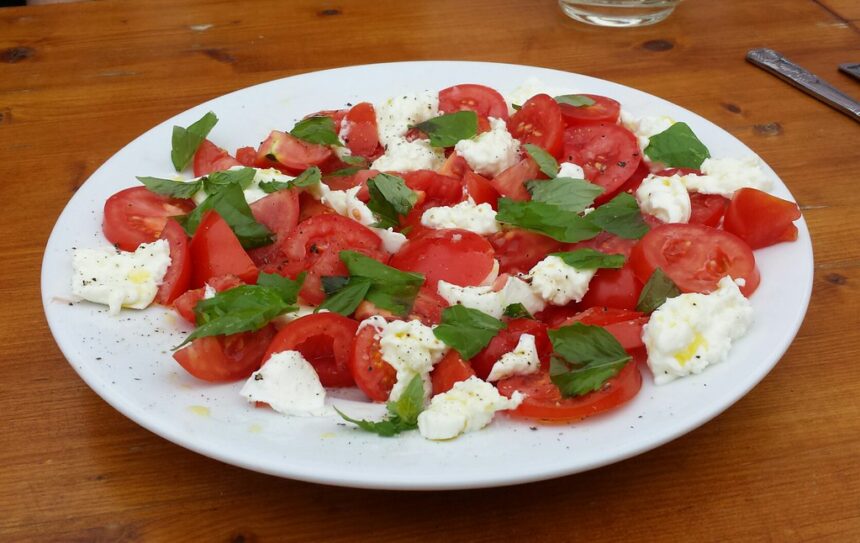
Comparison of olive oil polyphenol content across retail brands showing variation within extra virgin grade
The International Olive Council's "extra virgin" grade measures chemical damage, not polyphenol content—the bioactive responsible for olive oil's cardiovascular benefits. Industry surveys show 90–96% of retail extra virgin oil falls below the polyphenol threshold linked to health benefits, yet all carry the same label. — "Homegrown Tomatoes and Buffalo Mozarella Salad with Cinnamon Basil and Extra Virgin Olive Oil" by Fareham Wine is licensed under CC BY 2.0. To view a copy of this license, visit https://creativecommons.org/licenses/by/2.0/. (CC BY 2.0)
SHARE
1 min read|133 words

The ‘extra virgin’ classification reassures consumers of freshness and minimal oxidative damage. Yet this prestigious grade reveals nothing about polyphenols—the bioactive compounds clinically proven to reduce cardiovascular events by 31% in landmark trials. The International Olive Council’s grading system measures chemical degradation through free acidity, peroxide value, and sensory defects, but remains silent on the molecules that actually drive health benefits.

Industry surveys expose a troubling gap: 90–96% of retail extra virgin olive oil across European markets falls below the European Food Safety Authority’s polyphenol threshold of 250 mg/kg. Two bottles bearing identical ‘extra virgin’ labels may differ by a staggering 170-fold in polyphenol content—from under 10 mg/kg to over 1,700 mg/kg. Without mandatory polyphenol labelling, consumers cannot distinguish between premium-grade oil and nutritionally inert alternatives.

Read the full article on GMJ Newsroom.

Was this article helpful?

GMJ Brief · Announcement

📰 Read the full article: Extra Virgin Olive Oil’s Grade Doesn’t Measure What Matters: Why Polyphenol Content Goes Unlabelled →

Share This Article
Facebook LinkedIn Bluesky Copy Link Print
GMJ
ByProf. Giorgi Pkhakadze
Follow:
Prof. Giorgi Pkhakadze, MD, MPH, PhD, is Editor-in-Chief of the Georgian Medical Journal and Chair of the Public Health Institute of Georgia (PHIG). He is Professor and Head of the Department of Social and Behavioural Sciences at David Tvildiani Medical University, and Secretary/Treasurer of the UEMS Section of Public Health. ORCID: 0000-0001-7609-4515.

Submit Your Paper →

Georgia's peer-reviewed open-access medical journal. No APC until January 2027.
Submit Manuscript →
Major sporting events tied to heart attack spikes, study shows

Major international football tournaments are associated with measurable increases in acute coronary…

Medicaid Work Requirements Create Impossible Dilemma for Disabled Workers, Experts Warn

New Medicaid work requirement rules force disabled workers into an impossible choice:…

Genicular Artery Embolisation Offers Alternative to Knee Replacement for Chronic Pain

Genicular artery embolisation (GAE), a minimally invasive catheter-based procedure, is emerging as…

Submit Your Paper to GMJ

No APC until January 2027.
Submit Manuscript →

You Might Also Like

Chart showing limited economic evidence for WHO cancer medicine recommendations in Africa

Economic Data Gap Undermines WHO Cancer Medicine Guidance in Africa

By
Prof. Giorgi Pkhakadze
06/06/2026
Illustration of amino acid pathways to neurotransmitter synthesis in the brain

Glutamine’s Dual Role Highlights Why Protein Quality Matters for Brain Balance

By
Prof. Giorgi Pkhakadze
31/07/2026
Medical imaging display showing pancreatic cancer vascular invasion assessment with AI assistance

AI Outperforms Human Radiologists in Pancreatic Cancer Vascular Invasion Detection

By
Prof. Giorgi Pkhakadze
14/06/2026
Scientific illustration showing GPNMB protein interaction between brain cells in Parkinson's disease research

How One Protein Drives Parkinson’s Disease Spread Between Brain Cells

By
Prof. Giorgi Pkhakadze
28/06/2026
Facebook Twitter Youtube Instagram
Company
  • Privacy Policy
  • Contact US
  • GMJ Journal
  • Submit Manuscript
  • Editorial Team
  • Register at GMJ
  • Terms of Use

Subscribe to GMJ News — Click here

Join Community
© 2026 Georgian Medical Journal (GMJ). Published by the Public Health Institute of Georgia (PHIG). All rights reserved.
Welcome Back!

Sign in to your account

Username or Email Address
Password

Lost your password?

Not a member? Sign Up