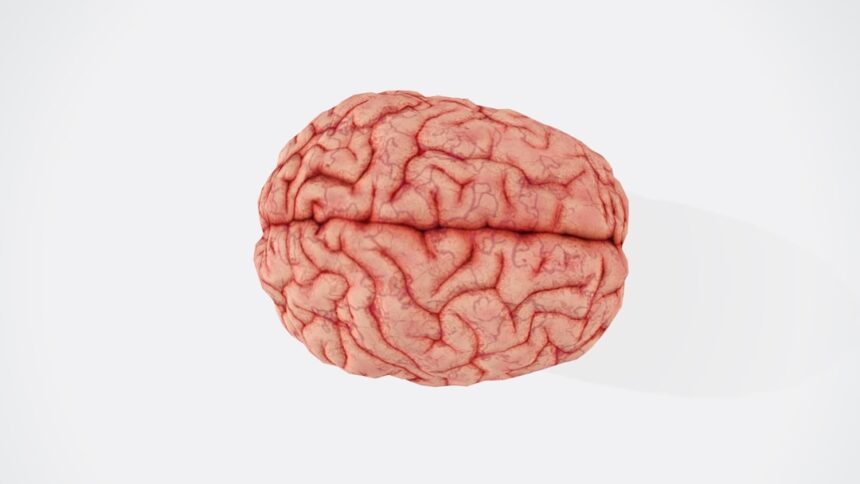
Minerals play a critical yet often-overlooked role in maintaining cognitive function, mood stability, and neuronal resilience. Chromium, copper, iodine, iron, and lithium each orchestrate essential biochemical processes—from neurotransmitter synthesis to synaptic signaling—that underpin brain health. Despite their importance, micronutrient deficiencies remain underappreciated in both clinical practice and public health messaging. Recent neuroscience evidence demonstrates that even mild insufficiencies in these trace elements can produce measurable changes in neurotransmission and cognitive performance. Copper and zinc work synergistically to regulate GABA balance, while iron deficiency correlates with impaired dopamine synthesis and cognitive decline. Lithium’s well-established role in psychiatric treatment exemplifies how micronutrients can directly influence neurological outcomes. As clinical understanding of these mechanisms deepens, healthcare providers are increasingly recognizing the need for targeted micronutrient assessment in patients presenting with cognitive or mood disturbances. Read the full article on GMJ Newsroom.
Was this article helpful?