By using this site, you agree to the Privacy Policy and Terms of Use.
Accept
GMJ NewsGMJ NewsGMJ News
  • Latest News
    • GMJ Briefs
  • Podcast & Media
    • Podcast Episodes
    • GMJ Audio
    • GMJ Videos
  • Research Digest
    • New Studies
    • Georgian Research
    • Data & Numbers
  • Policy & Systems
    • Health Policy
    • Quality & Safety
    • Migration & Health
    • Global Health
  • Practice
    • Clinical Updates
    • Case Discussions
    • Pharmacy & Prescribing
    • Ingredients A-Z
  • Perspectives
    • Editorial
    • Explainers
    • Voices
    • Letters
  • Health Topics
  • GMJ Articles
    • Vol. 1 Issue 2 (2026)
    • Vol. 1 Issue 1 (2026)
    • Pre-Launch Articles (2025)
  • Read the Journal →
  • About GMJ News
Notification Show More
Font ResizerAa
GMJ NewsGMJ News
Font ResizerAa
  • Latest News
    • GMJ Briefs
  • Podcast & Media
    • Podcast Episodes
    • GMJ Audio
    • GMJ Videos
  • Research Digest
    • New Studies
    • Georgian Research
    • Data & Numbers
  • Policy & Systems
    • Health Policy
    • Quality & Safety
    • Migration & Health
    • Global Health
  • Practice
    • Clinical Updates
    • Case Discussions
    • Pharmacy & Prescribing
    • Ingredients A-Z
  • Perspectives
    • Editorial
    • Explainers
    • Voices
    • Letters
  • Health Topics
  • GMJ Articles
    • Vol. 1 Issue 2 (2026)
    • Vol. 1 Issue 1 (2026)
    • Pre-Launch Articles (2025)
  • Read the Journal →
  • About GMJ News
Follow US
GMJ News > GMJ Briefs > The Thyroid Nutrient Formula: 150 mcg Iodine, 55 mcg Selenium, and Tyrosine

The Thyroid Nutrient Formula: 150 mcg Iodine, 55 mcg Selenium, and Tyrosine

GMJ
Last updated: 05/08/2026 13:30
By
Prof. Giorgi Pkhakadze
Share
1 Min Read
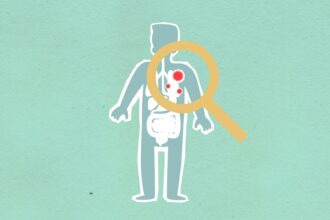
Infographic showing iodine, selenium, and tyrosine roles in thyroid hormone synthesis and regulation
Thyroid hormone production requires iodine, selenium, and tyrosine working together as an integrated system. Each nutrient plays a distinct biochemical role: iodine forms the hormone structure, selenium enables enzyme conversion and antioxidant protection, and tyrosine provides the amino-acid scaffold. Imbalanced supplementation—particularly excess iodine without adequate selenium—can strain thyroid function rather than improve it. — Photo by Thoranin Duangsin on Pexels (Pexels License)
SHARE
1 min read|118 words

Clinical nutrition research establishes precise daily nutrient targets for optimal thyroid function. Adults require 150 micrograms of iodine, 55 micrograms of selenium, and 500–1,000 milligrams of tyrosine daily—all three nutrients must be present simultaneously for proper hormone synthesis. Iodine alone cannot build thyroid hormones without the structural scaffold provided by tyrosine, nor can T4 be converted to its active form T3 without selenium-dependent enzymes. Selenium studies indicate a broader therapeutic range of up to 100 micrograms daily, with an upper safety limit of 400 micrograms. The data reveals a critical principle: thyroid biochemistry operates as an integrated system where deficiency in any single component compromises the entire process. Balanced nutrient intake from whole food sources remains the foundation of effective thyroid support.

Was this article helpful?

GMJ Brief · Key Finding

📰 Read the full article: Thyroid Health Depends on Three Nutrients Working Together, Not One Alone →

Related reference
  • Selenium · Ingredient
  • Iodine · Ingredient
Share This Article
Facebook LinkedIn Bluesky Copy Link Print
GMJ
ByProf. Giorgi Pkhakadze
Follow:
Prof. Giorgi Pkhakadze, MD, MPH, PhD, is Editor-in-Chief of the Georgian Medical Journal and Chair of the Public Health Institute of Georgia (PHIG). He is Professor and Head of the Department of Social and Behavioural Sciences at David Tvildiani Medical University, and Secretary/Treasurer of the UEMS Section of Public Health. ORCID: 0000-0001-7609-4515.

Submit Your Paper →

Georgia's peer-reviewed open-access medical journal. No APC until January 2027.
Submit Manuscript →
Rural Healthcare’s $50 Billion Question: Can Technology Alone Solve Workforce Shortages?

A $50 billion US rural healthcare investment prioritises technology infrastructure, but health…

FDA-Approved Drug Restores Immunotherapy Efficacy in Rare Liver Cancer by Releasing Trapped T Cells

Researchers have identified that rare liver cancers evade immunotherapy by trapping immune…

Timing of Second Stent Placement After Heart Attack: New Trial Challenges Immediate Intervention Strategy

A randomized controlled trial published in the New England Journal of Medicine…

Submit Your Paper to GMJ

No APC until January 2027.
Submit Manuscript →

You Might Also Like

Graph showing motoneuron excitability levels across sarcopenic, nonsarcopenic, and master athlete aging phenotypes

The Neural Foundation of Strength: Why Aging Muscles Need Healthy Nerves

By
Prof. Giorgi Pkhakadze
31/07/2026
Medical research laboratory with IBD disease mechanism illustrations

Study Confirms: Inflammatory Bowel Disease Is Not One Disease but Several

By
Prof. Giorgi Pkhakadze
09/07/2026
Medical researcher holding vaccine vial in laboratory setting

300,000 Annual Cases Drive Urgent Need for Lassa Fever Prevention Strategy

By
Prof. Giorgi Pkhakadze
08/07/2026
FDA safety alert warning about lead contamination in children's fruit puree pouches

Multiple Children Diagnosed With Elevated Lead Levels From Contaminated Fruit Puree Products

By
Prof. Giorgi Pkhakadze
22/07/2026
Facebook Twitter Youtube Instagram
Company
  • Privacy Policy
  • Contact US
  • GMJ Journal
  • Submit Manuscript
  • Editorial Team
  • Register at GMJ
  • Terms of Use

Subscribe to GMJ News — Click here

Join Community
© 2026 Georgian Medical Journal (GMJ). Published by the Public Health Institute of Georgia (PHIG). All rights reserved.
Welcome Back!

Sign in to your account

Username or Email Address
Password

Lost your password?

Not a member? Sign Up