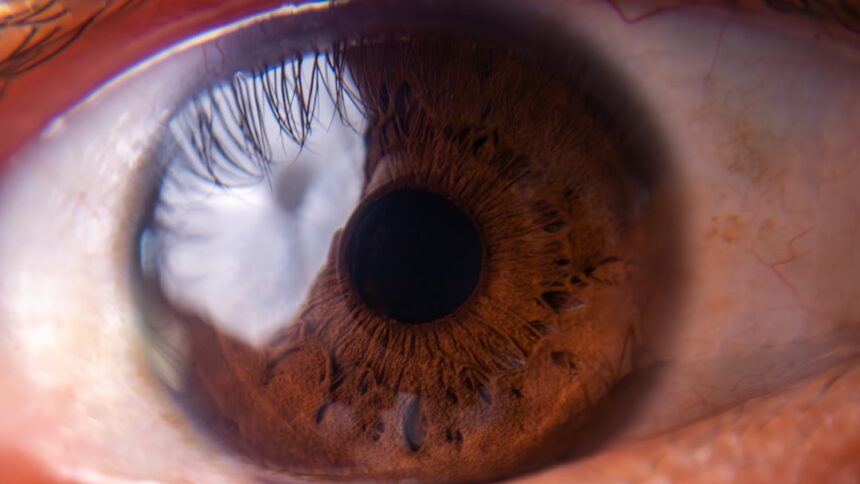
A new NEJM case study highlights three critical clinical pearls that ophthalmologists and primary care physicians should understand about diabetic retinopathy management. First, proliferative disease causes characteristic abnormal blood vessel growth originating from the optic disk—a hallmark finding that distinguishes advanced disease requiring urgent intervention. Second, clinical imaging reveals distinctive neovascularization patterns that enable accurate disease staging and prognostic assessment.
Third, treatment response can be reliably monitored through sequential ophthalmologic examination, allowing physicians to adjust therapeutic strategies based on documented progression or improvement. Early detection of retinopathy through regular screening is crucial for preventing irreversible vision loss, particularly in working-age adults with long-standing diabetes. Understanding these clinical fundamentals enables healthcare providers to implement timely interventions and improve visual outcomes for their diabetic patients.
Read the full article on GMJ Newsroom.
Was this article helpful?