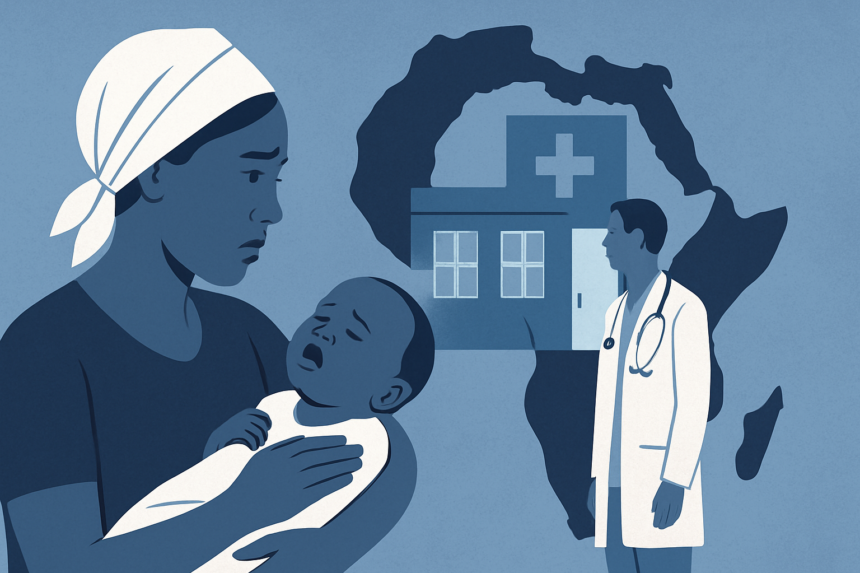
A major new study from Johns Hopkins Bloomberg School of Public Health reveals three essential findings that should reshape child survival programming in sub-Saharan Africa and beyond. First, the research confirms a counterintuitive reality: severely ill neonates received formal healthcare in only 8.4% to 41.8% of cases, compared to 15.0% to 66.7% for mild illness. Second, multivariate analysis demonstrated that infant age, rather than symptom severity, was the strongest predictor of healthcare seeking across all six African countries studied. Third, these patterns demand a fundamental shift in how global health interventions are designed and implemented. Rather than assuming families will naturally seek care during severe illness, programs must actively address the specific barriers—whether cultural, economic, or informational—that prevent caregivers from accessing professional healthcare when their infants face life-threatening conditions. Understanding these dynamics is essential for developing effective strategies to reduce preventable infant mortality.
Was this article helpful?