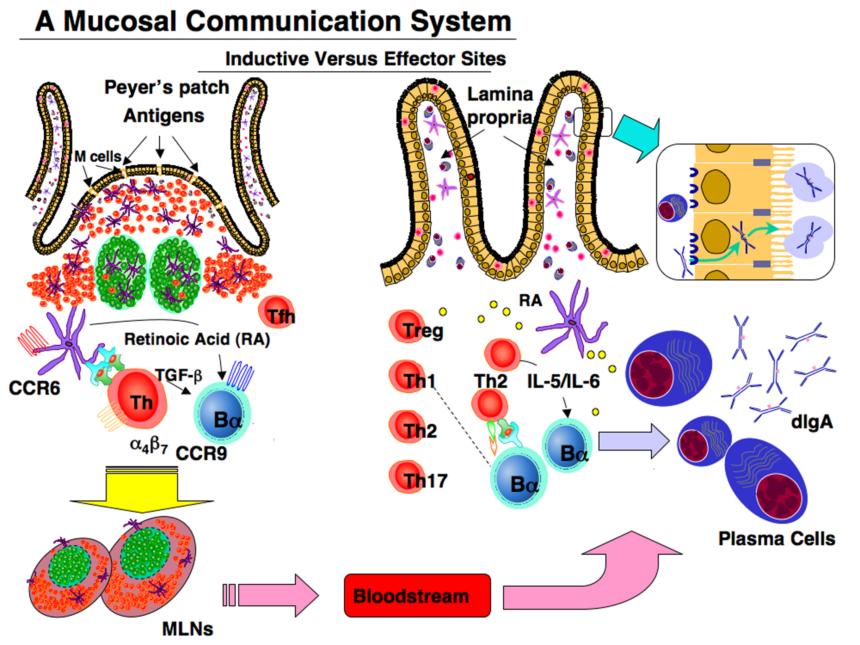
Recent research identifies three essential mechanisms linking immune aging to gut microbiome disruption. First, the aging immune system progressively loses its ability to distinguish beneficial from harmful microorganisms, allowing opportunistic pathogens to establish dominance. Second, this microbial imbalance dramatically reduces beneficial bacterial populations and short-chain fatty acid production, eliminating critical inflammation-regulating compounds. Third, early recognition and intervention may prevent the cascade of age-related inflammatory diseases that emerge from microbiome dysbiosis.
These findings carry immediate clinical implications. Maintaining immune function through appropriate interventions—potentially including targeted therapies, nutritional approaches, or lifestyle modifications—may represent a crucial strategy for preventing age-related disease progression. The research suggests that microbiome health directly reflects immune competence in aging populations.
For patients and clinicians, these insights emphasize the importance of early assessment and intervention before dramatic microbiome changes occur. Preventive approaches addressing immune function may prove more effective than treating established age-related diseases.
Read the full article on GMJ Newsroom.

Was this article helpful?