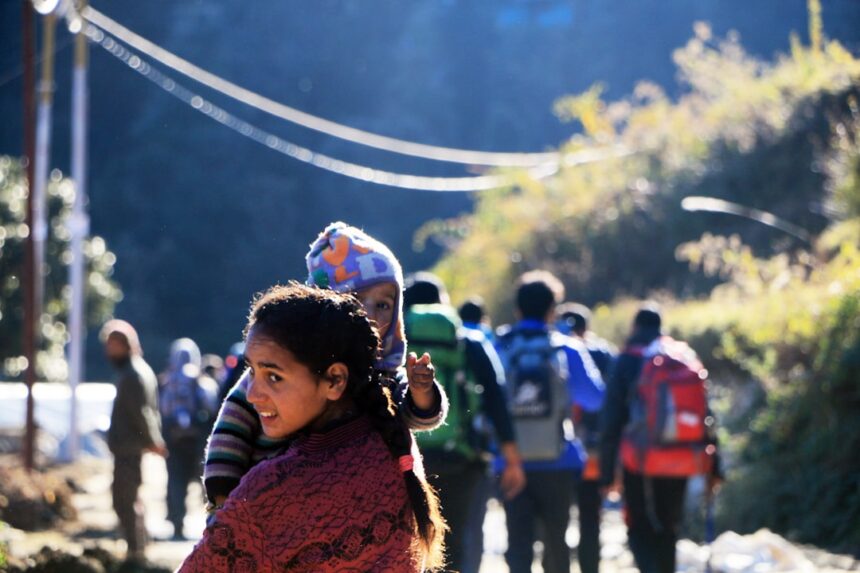
Healthcare professionals and policymakers must recognize three interconnected priorities for protecting the 50 million migrant children worldwide. First, migration policies require specialized frameworks addressing children’s distinct vulnerabilities, including protection from exploitation and trafficking. Second, healthcare systems must remove administrative barriers preventing migrant children from accessing vaccinations, mental health support, and emergency services—gaps that create lasting developmental consequences. Third, educational continuity must be prioritized to prevent compounding disadvantages that affect future outcomes. Evidence demonstrates that integrated approaches coordinating immigration authorities, healthcare providers, and child protection agencies effectively address these challenges. Current systems treat children as secondary considerations, perpetuating cycles of vulnerability. Medical institutions and public health agencies can advocate for policy reforms that embed child-centered approaches in migration frameworks. These changes require immediate action, as prolonged healthcare and educational exclusion produces irreversible effects on child development and population health outcomes. Read the full article on GMJ Newsroom.
Was this article helpful?