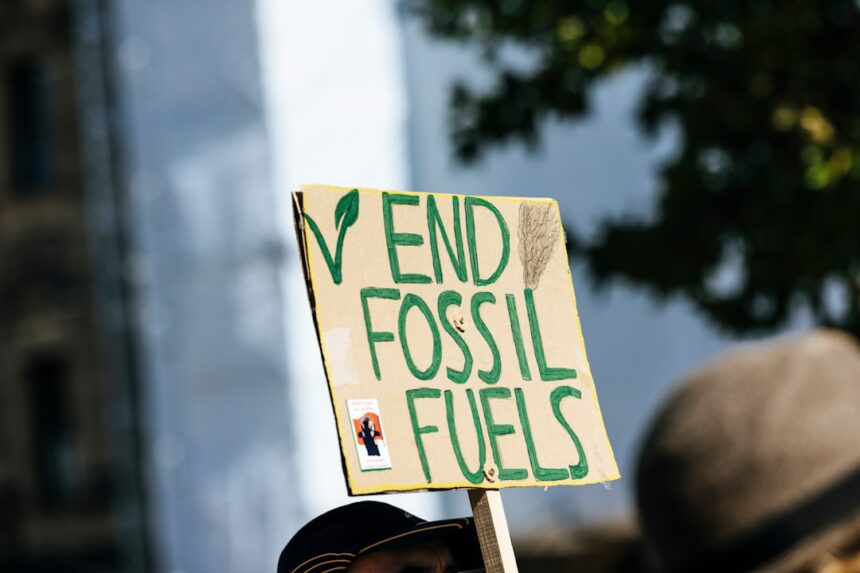
After more than 30 years of stalled UN climate negotiations, a coalition of willing nations gathered in Colombia in April 2026 to pursue concrete fossil fuel phase-out strategies outside the traditional COP framework. This shift reflects the systematic obstruction that has characterized multilateral climate processes, where petro states and corporate influence have repeatedly prevented binding progress toward decarbonization. The new coalition approach addresses a fundamental structural weakness in consensus-based diplomacy: the ability of single nations to block global action. By convening only nations committed to substantive climate action, the group can establish binding agreements and implementation timelines without facing the veto mechanisms that have paralyzed the UN process for decades. This model offers renewed hope for translating IPCC scientific consensus into concrete policy. Read the full article on GMJ Newsroom.
Was this article helpful?