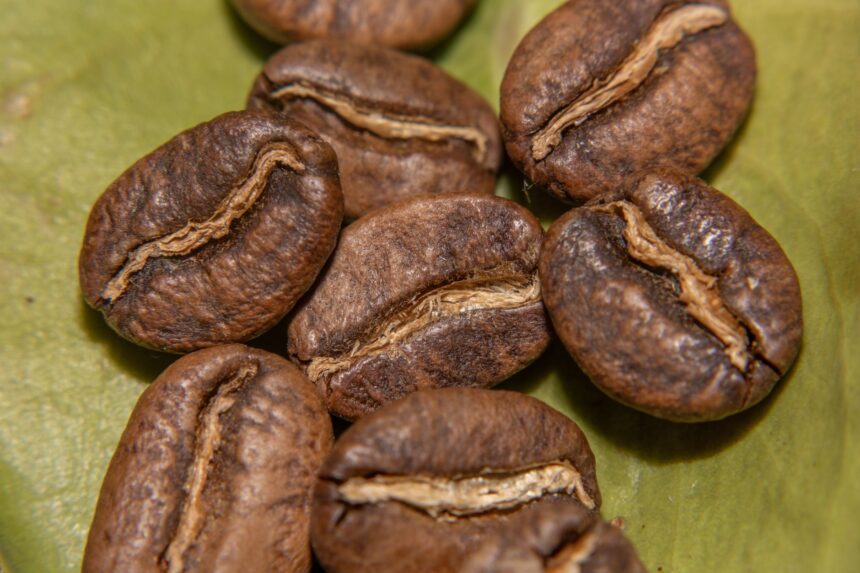
Coffee roasting creates three distinct bioactive profiles, each offering specific health advantages through different chemical mechanisms. Light roasts maximize chlorogenic acids (8.0 mg/g), plant compounds demonstrating efficacy in glucose metabolism regulation and vascular protection. Medium roasts provide a balanced composition, combining meaningful chlorogenic acid retention (6.56 mg/g) with emerging gallic acid production.
Dark roasts undergo thermal decomposition that reduces chlorogenic acids to 4.35 mg/g but simultaneously generates new antioxidant compounds, including gallic acids peaking at 2.33 mg/g, which possess independent antioxidant properties. Critically, all roast levels deliver measurable antioxidant benefits—the distinction lies in which bioactive compounds predominate.
This research empowers consumers to align their coffee selection with individual health priorities. Those prioritizing glucose control should consider light roasts, while others may choose based on flavor preferences, secure in the knowledge that alternative antioxidant pathways remain active across all roasting levels.
Read the full article on GMJ Newsroom.

Was this article helpful?