By using this site, you agree to the Privacy Policy and Terms of Use.
Accept
GMJ NewsGMJ NewsGMJ News
  • Latest News
    • GMJ Briefs
  • Podcast & Media
    • Podcast Episodes
    • GMJ Audio
    • GMJ Videos
  • Research Digest
    • New Studies
    • Georgian Research
    • Data & Numbers
  • Policy & Systems
    • Health Policy
    • Quality & Safety
    • Migration & Health
    • Global Health
  • Practice
    • Clinical Updates
    • Case Discussions
    • Pharmacy & Prescribing
    • Ingredients A-Z
  • Perspectives
    • Editorial
    • Explainers
    • Voices
    • Letters
  • GMJ Articles
    • Vol. 1 Issue 2 (2026)
    • Vol. 1 Issue 1 (2026)
    • Pre-Launch Articles (2025)
  • Read the Journal →
  • About GMJ News
Notification Show More
Font ResizerAa
GMJ NewsGMJ News
Font ResizerAa
  • Latest News
    • GMJ Briefs
  • Podcast & Media
    • Podcast Episodes
    • GMJ Audio
    • GMJ Videos
  • Research Digest
    • New Studies
    • Georgian Research
    • Data & Numbers
  • Policy & Systems
    • Health Policy
    • Quality & Safety
    • Migration & Health
    • Global Health
  • Practice
    • Clinical Updates
    • Case Discussions
    • Pharmacy & Prescribing
    • Ingredients A-Z
  • Perspectives
    • Editorial
    • Explainers
    • Voices
    • Letters
  • GMJ Articles
    • Vol. 1 Issue 2 (2026)
    • Vol. 1 Issue 1 (2026)
    • Pre-Launch Articles (2025)
  • Read the Journal →
  • About GMJ News
Follow US
GMJ News > GMJ Briefs > Three Essential Steps to Transform WHO’s Kidney Health Resolution into Real-World Impact

Three Essential Steps to Transform WHO’s Kidney Health Resolution into Real-World Impact

GMJ
Last updated: 30/07/2026 12:43
By
Prof. Giorgi Pkhakadze
Share
1 Min Read
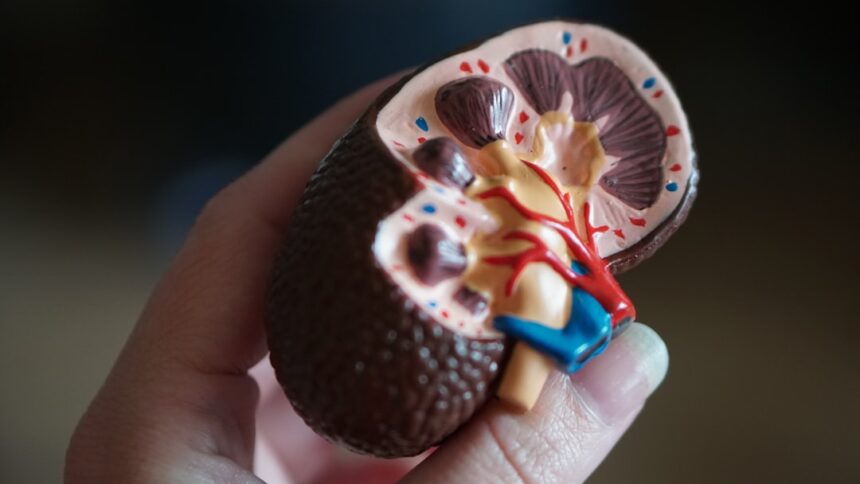
Medical professionals reviewing kidney health policy documents and implementation guidelines
WHO's November 2025 kidney health resolution faces implementation challenges that could undermine efforts to address the global CKD crisis. A new Lancet editorial and Health Policy paper provide frameworks for translating policy into action. — Photo by Robina Weermeijer on Unsplash (Unsplash License)
SHARE
1 min read|146 words

The WHO’s kidney health resolution has established global recognition, but success depends on three concrete implementation steps. First, chronic kidney disease screening must be integrated within existing diabetes programmes—a proven model that leverages established healthcare infrastructure and patient pathways. Second, successful diabetes control frameworks should be adapted specifically for kidney care, incorporating lessons learned from decades of NCD programme experience.

Third and critically, policymakers must secure sustained political commitment beyond the initial resolution. Single policy moments are insufficient; kidney health requires long-term funding, workforce development, and accountability mechanisms.

For healthcare leaders and clinicians, this means advocating for integration within your institution’s diabetes and NCD programmes, rather than treating kidney health as an isolated initiative. This pragmatic approach maximizes resources while addressing the needs of 850 million affected individuals globally, particularly in resource-limited settings where the disease burden is greatest.

Read the full article on GMJ Newsroom.

Submit Your Paper
GMJ_Submit_Banner

Was this article helpful?

GMJ Brief · Takeaway

📰 Read the full article: WHO Kidney Health Resolution Needs Urgent Implementation Framework, Lancet Editorial Warns →

Related reference
  • Chronic Kidney Disease · Condition
Share This Article
Facebook LinkedIn Bluesky Copy Link Print
GMJ
ByProf. Giorgi Pkhakadze
Follow:
Prof. Giorgi Pkhakadze, MD, MPH, PhD, is Editor-in-Chief of the Georgian Medical Journal and Chair of the Public Health Institute of Georgia (PHIG). He is Professor and Head of the Department of Social and Behavioural Sciences at David Tvildiani Medical University, and Secretary/Treasurer of the UEMS Section of Public Health. ORCID: 0000-0001-7609-4515.

Submit Your Paper →

Georgia's peer-reviewed open-access medical journal. No APC until January 2027.
Submit Manuscript →
Purple Urine Bag Syndrome: A Rare but Treatable Condition in Long-Term Care

Purple urine bag syndrome is a rare but benign condition affecting catheterised…

Cancer Survivors in Their Teens and Twenties Face Unique Long-Term Health Risks

Adolescents and young adults surviving cancer face distinct long-term complications and psychosocial…

Indiana Enacts Hospital Price Caps as States Challenge Healthcare Cost Growth

Indiana has enacted direct price caps on hospital charges to employers, becoming…

Submit Your Paper to GMJ

No APC until January 2027.
Submit Manuscript →

You Might Also Like

Georgian hospital emergency department maintaining operations during healthcare negotiations

What Georgian Healthcare Workers and Patients Should Know About the Strike Suspension

By
Prof. Giorgi Pkhakadze
30/07/2026
Global HealthNew StudiesPolicy & SystemsResearch Digest

COVID-19 Vaccine Boosters May Offer Protection Against Future Animal Coronaviruses, Cambridge Study Shows

By
Prof. Giorgi Pkhakadze
02/07/2026
Clinical UpdatesPolicy & SystemsPracticeQuality & Safety

FDA Issues Safety Alert on Abiomed Impella CP Heart Pump Sets Over Purge Pressure Defect

By
Prof. Giorgi Pkhakadze
06/07/2026
Chart showing Amish population growth projection from 400,000 to 2 million by 2075

Amish Population Set to Quintuple by 2075: Public Health Data Shows Growing Risk

By
Prof. Giorgi Pkhakadze
27/06/2026
Facebook Twitter Youtube Instagram
Company
  • Privacy Policy
  • Contact US
  • GMJ Journal
  • Submit Manuscript
  • Editorial Team
  • Register at GMJ
  • Terms of Use

Subscribe to GMJ News — Click here

Join Community
© 2026 Georgian Medical Journal (GMJ). Published by the Public Health Institute of Georgia (PHIG). All rights reserved.
Welcome Back!

Sign in to your account

Username or Email Address
Password

Lost your password?

Not a member? Sign Up