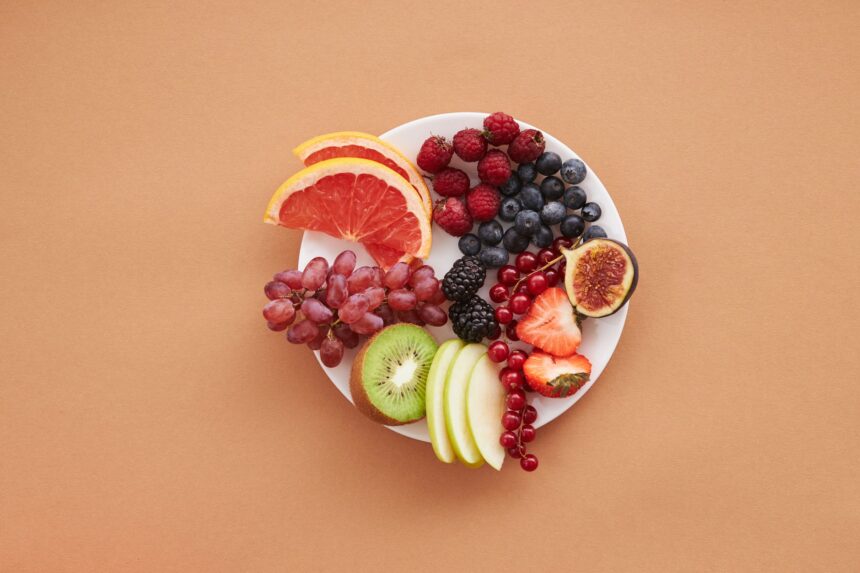
Translating flavanol research into clinical practice requires a shift from quantity-focused to quality-focused dietary guidance. Three evidence-based strategies emerge as most effective for cardiovascular protection. First, prioritize flavanol-rich fruits including blackberries, apples, plums, and cherries—foods delivering substantially higher concentrations of cardioprotective compounds than standard produce categories suggest.
Second, integrate broad beans and other legumes, which provide both flavanols and plant-based protein, supporting multiple cardiovascular risk factors simultaneously. Third, incorporate green tea consumption—approximately 2 to 3 cups daily—which offers concentrated flavanol exposure alongside other bioactive compounds. The critical insight is that food selection quality matters substantially more than quantity alone. Clinicians advising patients on cardiovascular prevention should emphasize these nutrient-dense options rather than generic fruit and vegetable volume targets. Read the full article on GMJ Newsroom.
Was this article helpful?