🟠 Moderate Evidence
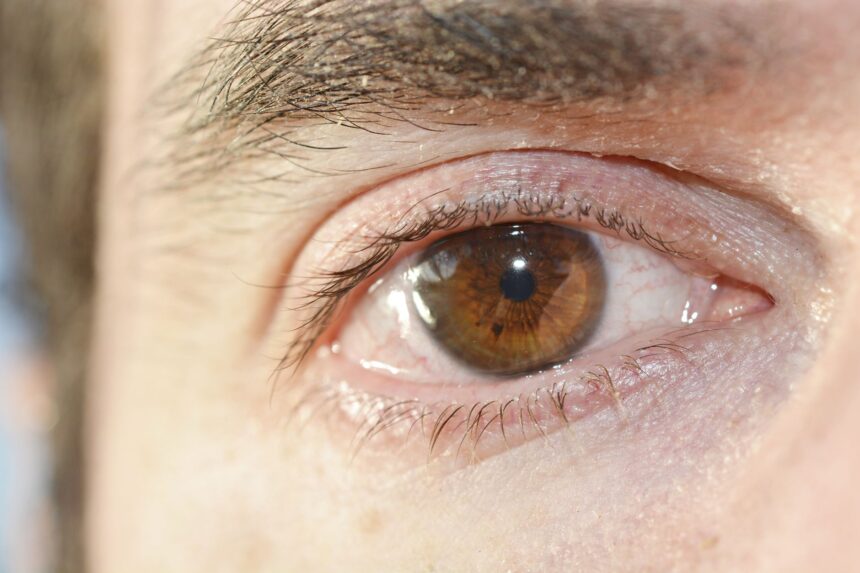
The human eye operates in one of the body’s most oxidatively hostile environments—constantly bathed in light, oxygen, and metabolic waste. Yet the retina remains functional for decades, not because of luck, but because of a sophisticated, layered antioxidant defense network coordinated throughout the vitreous, the gel-like structure filling most of the eye. According to research published in Antioxidants by Ankamah and colleagues (2019), vision longevity depends far less on correcting refractive error than on maintaining the integrity of this redox-buffering ecosystem.
Key takeaways
- The vitreous contains a coordinated antioxidant system of small molecules, enzymes, and cofactors that neutralizes reactive oxygen species and protects retinal tissue
- Enzymatic defenses (SOD3, GPx3, GPx4, catalase) convert harmful superoxide and peroxides into less reactive compounds; these require zinc, selenium, and riboflavin to function
- Age, metabolic disease, smoking, and nutrient insufficiency erode antioxidant capacity, leading to floaters, vitreous liquefaction, and increased retinal vulnerability
- Systemic nutrient status—particularly vitamin C, selenium, zinc, riboflavin, and sulfur amino acids—is tightly linked to long-term ocular health
Study at a Glance
| Source | Antioxidants |
| Study type | Literature review and systems analysis |
| Focus | Vitreous antioxidant defense mechanisms and age-related degeneration |
| Key authors | Ankamah, E. et al. (2019) |
| Primary topic | Vitreo-retinopathy prevention through antioxidant maintenance |
The eye’s antioxidant defense network in the vitreous
A coordinated ecosystem of small molecules, enzymes, cofactors, and binding proteins that protect retinal tissue from oxidative damage
Source: Ankamah et al., Antioxidants (2019) | Georgian Medical Journal News

How the antioxidant ecosystem preserves vision
The vitreous is not a passive gel. According to research by Ankamah and colleagues, it contains four functionally distinct layers of antioxidant protection. The first consists of small-molecule antioxidants—ascorbic acid (vitamin C), glutathione, taurine, cysteine, and uric acid—that directly neutralize reactive oxygen species (ROS) generated by light exposure and aerobic metabolism.
The second layer comprises enzymatic defenses: superoxide dismutase 3 (SOD3), glutathione peroxidases 3 and 4 (GPx3 and GPx4), and catalase. These enzymes convert more dangerous ROS (superoxide and hydrogen peroxide) into less reactive compounds, reducing tissue damage. However, these enzymes require cofactors—particularly zinc, selenium, and riboflavin—to remain functional. A deficiency in any of these trace elements reduces enzymatic capacity and accelerates oxidative stress in the eye.
The third layer consists of binding proteins, albumin and transferrin, which sequester iron and copper ions that would otherwise catalyze further oxidative reactions. The fourth layer is the regulation of oxygen diffusion itself: the coordinated action of these systems limits oxygen accumulation in the retina, reducing the production of damaging ROS in the first place. See our explainers section for more on cellular biology mechanisms.
The retina remains functional for decades because the vitreous is packed with a layered redox-buffering system that preserves vitreous structure, limits oxidative damage to retinal tissue, regulates oxygen diffusion, and slows age-related vitreous degeneration.
— Ankamah, E. et al., Antioxidants (2019)
Age, disease, and nutrient status erode the system
As we age, antioxidant capacity in the vitreous declines naturally. But this decline is accelerated by modifiable risk factors. According to the Ankamah study, metabolic disease (particularly diabetes), smoking, and nutrient insufficiency all deplete small-molecule antioxidants and reduce enzymatic activity. Vitamin C is water-soluble and depletes quickly in oxidative stress; selenium and zinc are cofactors for critical enzymes; riboflavin (vitamin B2) is essential for glutathione peroxidase function.
When antioxidant capacity declines, oxidative stress in the eye increases. This manifests clinically as floaters (collagen and hyaluronic acid breakdown in the vitreous), vitreous liquefaction and collapse, and increased vulnerability of the retina to age-related macular degeneration and other degenerative conditions. Sulfur amino acids (methionine and cysteine) are precursors to glutathione, the eye’s most abundant antioxidant, making their dietary availability particularly relevant to long-term ocular health. Visit SheniEkimi’s patient guidance section for evidence-based nutrition resources.
Why vision correction alone is incomplete
Spectacles, contact lenses, and refractive surgery correct optical error but do nothing to address the underlying health of the retina and vitreous. A person with perfect refractive correction but declining antioxidant capacity faces the same age-related vitreous degeneration as anyone else. This distinction is clinically important: it shifts the focus from corrective optics to preserving systemic and ocular redox balance.
The practical implication is that long-term vision health requires attention to systemic nutrient status across the lifespan. Regular intake of vitamin C, selenium, zinc, riboflavin, and sulfur amino acids—whether through food or supplementation in cases of insufficiency—helps maintain the antioxidant capacity that protects the retina from oxidative damage. For clinicians, this suggests that dietary and micronutrient assessment should be part of comprehensive eye care, particularly in aging patients or those with metabolic disease. For more on clinical updates in ophthalmology, see our clinical updates page.
What this means
Frequently asked questions
Can supplements reverse floaters or vitreous liquefaction once they develop?
Once floaters are present, they cannot be reversed through supplementation because they represent structural breakdown of collagen and hyaluronic acid in the vitreous. However, high-dose antioxidant supplementation may slow further vitreous degeneration and reduce the formation of new floaters. The evidence is strongest for prevention through consistent nutrient intake across the lifespan, rather than treatment of established degeneration.
Which nutrient is most critical for retinal protection?
No single nutrient is sufficient alone. According to Ankamah et al., the antioxidant system is coordinated and redundant—it requires vitamin C, glutathione (synthesized from cysteine and glycine), selenium for glutathione peroxidase, zinc for SOD3, and riboflavin for FADH₂-dependent enzymes. Deficiency in any one element reduces overall system capacity. A broad approach to micronutrient adequacy is most effective.
Should everyone take antioxidant supplements, or only those at risk?
The evidence supports dietary intake of antioxidants as the primary strategy. Supplementation is most justified in cases of documented deficiency (e.g., low serum selenium or zinc in metabolic disease), smoking status, or advanced age. High-dose supplementation in people with adequate nutrient status has not been shown to provide additional benefit and may carry risks. A balanced, nutrient-dense diet rich in vegetables, fruits, nuts, seeds, and lean proteins is the foundation; supplementation fills gaps identified through clinical assessment.
Vision is not simply about optical clarity—it is about maintaining the biochemical machinery that keeps the retina functional for a lifetime. As the population ages and metabolic disease becomes more prevalent, understanding and supporting the eye’s antioxidant defenses will become increasingly important for preserving sight and preventing age-related vision loss. Clinicians and patients alike benefit from recognizing that long-term ocular health is a systemic endeavor, dependent on sustained nutrient adequacy and protection from modifiable oxidative stressors.
Was this article helpful?
Disclaimer. This article is health journalism intended for general information and education. It is not medical advice and is not a substitute for professional diagnosis or treatment. Always consult a qualified healthcare provider about your individual circumstances. Full disclaimer →
Related Coverage


Editorial standards. This article was produced under the GMJ News editorial process, with oversight by the GMJ Editorial Board. Our editorial process. Spotted an error? Contact the editorial team.