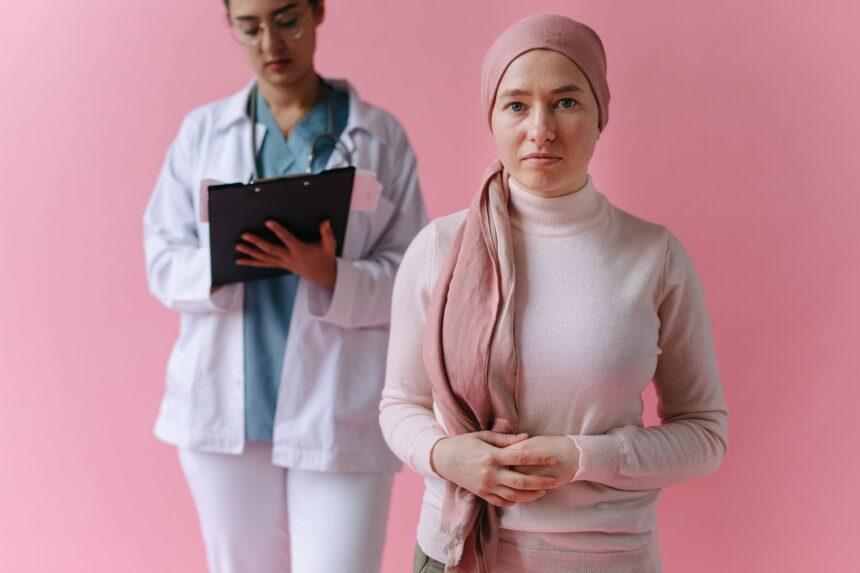
Cancer diagnosis forces patients into unique honesty. Unlike chronic disease management in primary care, oncology creates sustained partnerships where patients openly share fears, values, mortality reflections, and what legacy means to them. Oncologists describe this access to patients’ most vulnerable moments as a distinct privilege of the specialty.
Yet this relational privilege is under threat. Recognizing and protecting the human dimensions of cancer care is essential for clinician wellbeing. Systems-level changes matter: protecting time for meaningful encounters, reducing administrative burden that fragments care, and deliberately celebrating the relational dimensions of oncology work can sustain professional fulfillment. When institutions acknowledge that human connection is central—not incidental—to oncology practice, both clinician wellbeing and patient care improve. Supporting relational meaning is critical to retention in a field facing critical workforce shortages.
Read the full article on GMJ Newsroom.
Was this article helpful?