By using this site, you agree to the Privacy Policy and Terms of Use.
Accept
GMJ NewsGMJ NewsGMJ News
  • Latest News
    • GMJ Briefs
  • Podcast & Media
    • Podcast Episodes
    • GMJ Audio
    • GMJ Videos
  • Research Digest
    • New Studies
    • Georgian Research
    • Data & Numbers
  • Policy & Systems
    • Health Policy
    • Quality & Safety
    • Migration & Health
    • Global Health
  • Practice
    • Clinical Updates
    • Case Discussions
    • Pharmacy & Prescribing
    • Ingredients A-Z
  • Perspectives
    • Editorial
    • Explainers
    • Voices
    • Letters
  • GMJ Articles
    • Vol. 1 Issue 2 (2026)
    • Vol. 1 Issue 1 (2026)
    • Pre-Launch Articles (2025)
  • Read the Journal →
  • About GMJ News
Notification Show More
Font ResizerAa
GMJ NewsGMJ News
Font ResizerAa
  • Latest News
    • GMJ Briefs
  • Podcast & Media
    • Podcast Episodes
    • GMJ Audio
    • GMJ Videos
  • Research Digest
    • New Studies
    • Georgian Research
    • Data & Numbers
  • Policy & Systems
    • Health Policy
    • Quality & Safety
    • Migration & Health
    • Global Health
  • Practice
    • Clinical Updates
    • Case Discussions
    • Pharmacy & Prescribing
    • Ingredients A-Z
  • Perspectives
    • Editorial
    • Explainers
    • Voices
    • Letters
  • GMJ Articles
    • Vol. 1 Issue 2 (2026)
    • Vol. 1 Issue 1 (2026)
    • Pre-Launch Articles (2025)
  • Read the Journal →
  • About GMJ News
Follow US
GMJ News > GMJ Briefs > Three Key Insights from Methionine Research: Implications for Inflammatory Disease Management

Three Key Insights from Methionine Research: Implications for Inflammatory Disease Management

GMJ
Last updated: 03/07/2026 00:42
By
Prof. Giorgi Pkhakadze
Share
1 Min Read
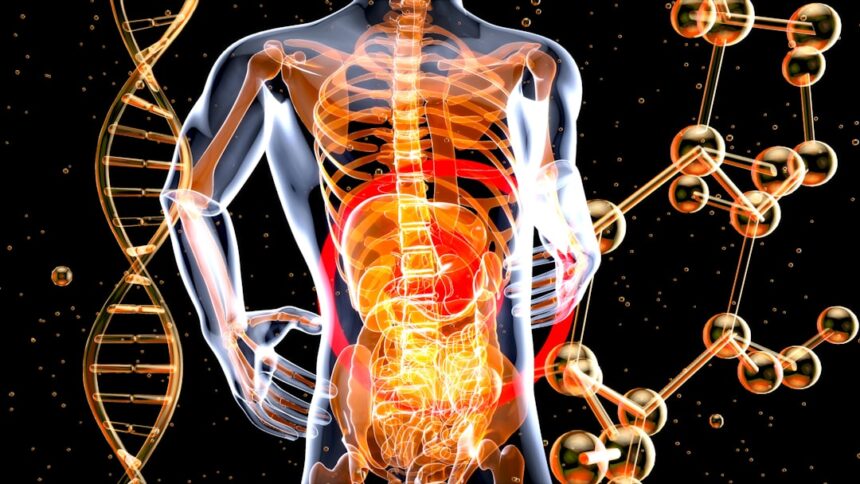
Scientific illustration showing methionine's protective mechanism against inflammation through enhanced kidney filtration
Salk Institute research shows methionine amino acid dramatically improved survival in mice with severe inflammatory conditions by enhancing kidney filtration rather than suppressing immune responses. — Photo: julien Tromeur / Pexels
SHARE
1 min read|134 words

Recent research from the Salk Institute presents three critical findings relevant to inflammatory disease treatment strategies. First, methionine supplementation demonstrated dramatic survival improvements in preclinical models of severe inflammation and infection. Second, the protective mechanism operates through kidney filtration enhancement rather than immune suppression, representing a functionally distinct approach from existing therapies. Third, this novel pathway suggests that future therapeutic strategies might prioritize organ support and inflammatory molecule clearance over traditional immunosuppressive interventions.

These insights have important implications for clinicians and researchers developing novel treatment approaches for sepsis, systemic inflammatory response syndrome, and related conditions. By understanding how dietary amino acids can optimize kidney function and inflammatory resolution, researchers may identify new targets for therapeutic intervention that work collaboratively with the immune system rather than against it.

Read the full article on GMJ Newsroom.

Was this article helpful?
GMJ Brief · Takeaway

📰 Read the full article: Methionine Amino Acid Protects Against Fatal Inflammation in Preclinical Study →

Share This Article
Facebook LinkedIn Bluesky Copy Link Print
GMJ
ByProf. Giorgi Pkhakadze
Follow:
Prof. Giorgi Pkhakadze, MD, MPH, PhD, is Editor-in-Chief of the Georgian Medical Journal and Chair of the Public Health Institute of Georgia (PHIG). He is Professor and Head of the Department of Social and Behavioural Sciences at David Tvildiani Medical University, and Secretary/Treasurer of the UEMS Section of Public Health. ORCID: 0000-0001-7609-4515.

Submit Your Paper →

Georgia's peer-reviewed open-access medical journal. No APC until January 2027.
Submit Manuscript →
Stress impairs memory and attention by up to 20%, study finds—but botanical interventions show promise

Acute psychological stress reduces memory and attention test performance by approximately 20%,…

How the body metabolises alcohol: the biochemistry behind why drinks linger

Alcohol metabolism is a three-step enzymatic pathway that generates toxic acetaldehyde and…

How glycine lowers core body temperature to trigger sleep—a thermostat mechanism

Glycine triggers sleep by lowering core body temperature through activation of the…

Submit Your Paper to GMJ

No APC until January 2027.
Submit Manuscript →

You Might Also Like

PHEIC Declaration: Ebola Outbreak Cross-Border Spread DRC-Uganda

By
Prof. Giorgi Pkhakadze
31/05/2026
NHS hospital entrance during summer heatwave with emergency services signage

NHS Braces for Perfect Storm: Strike, Heat, and Mass Gatherings Converge

By
Prof. Giorgi Pkhakadze
07/07/2026
Parent speaking to baby using parentese communication style

40% Language Acceleration: New Data Validates Effectiveness of Parentese

By
Prof. Giorgi Pkhakadze
10/06/2026

EBOLA OUTBREAK – DRC/UGANDA CROSS-BORDER TRANSMISSION CONFIRMED

By
Prof. Giorgi Pkhakadze
31/05/2026
Facebook Twitter Youtube Instagram
Company
  • Privacy Policy
  • Contact US
  • GMJ Journal
  • Submit Manuscript
  • Editorial Team
  • Register at GMJ
  • Terms of Use

Subscribe to GMJ News — Click here

Join Community
© 2026 Georgian Medical Journal (GMJ). Published by the Public Health Institute of Georgia (PHIG). All rights reserved.
Welcome Back!

Sign in to your account

Username or Email Address
Password

Lost your password?

Not a member? Sign Up