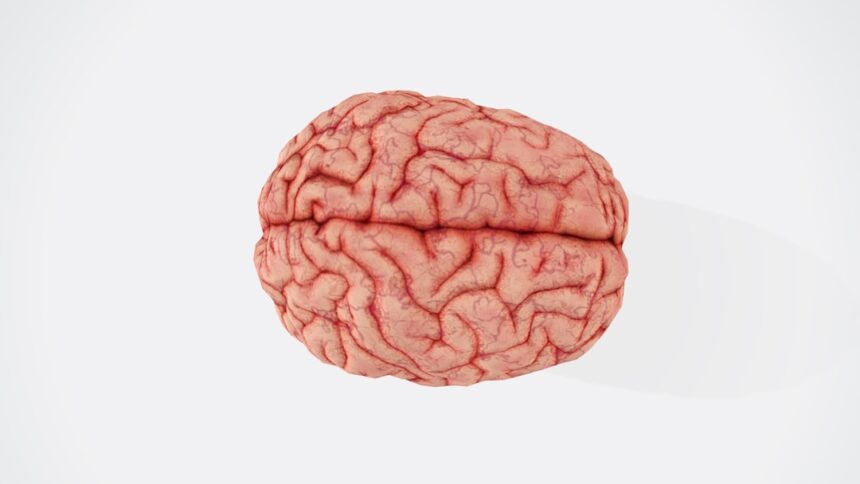
Recent research reveals three critical insights that could transform dementia prevention strategies. First, microglia function as cellular gatekeepers at the amyloid-tau intersection—the critical point where Alzheimer’s pathologies converge and cognitive fate diverges. Second, protective microglial transitions can maintain cognitive function despite significant brain pathology, demonstrating that pathology accumulation alone does not guarantee dementia development. Third, these findings identify new therapeutic targets that could modulate microglial responses before cognitive decline occurs. Understanding these protective mechanisms offers clinicians and researchers concrete targets for intervention. Rather than focusing solely on clearing amyloid-beta or tau proteins, emerging therapies could enhance protective microglial responses or prevent harmful cellular transitions. For patients and families, this research suggests that cognitive resilience is not simply genetic chance but may result from modifiable immune cell behavior.
Was this article helpful?