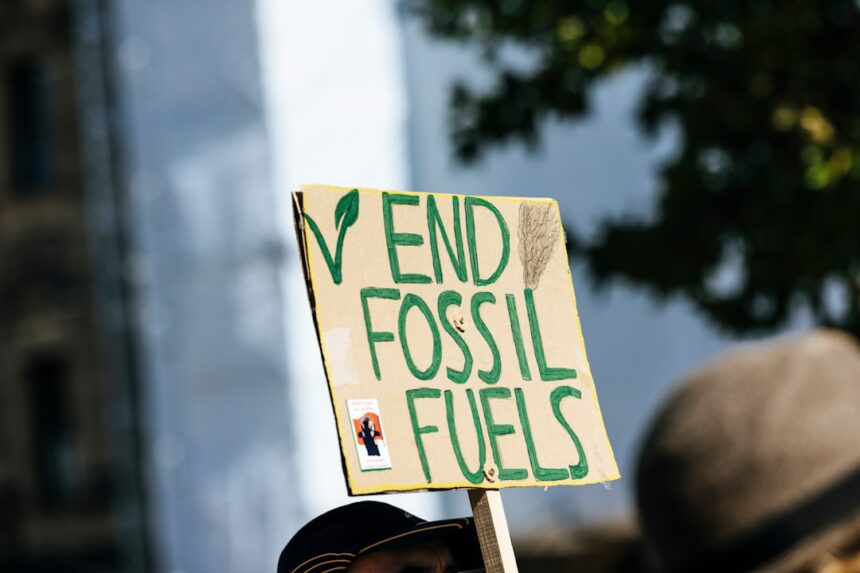
The new climate coalition convened by the Netherlands and Colombia offers three critical insights for health professionals engaging in climate and policy advocacy. First, willing-nation coalitions can effectively circumvent UN gridlock to advance evidence-based policies—demonstrating that consensus mechanisms are not the only path to global action. Second, IPCC science unequivocally demonstrates the necessity of fossil fuel phase-out, yet decades of diplomatic obstacles have prevented this consensus from translating into binding commitments. Understanding this disconnect between evidence and policy is crucial for clinicians advocating for health-protective climate measures. Third, the coalition model creates practical opportunities for health professionals to support implementation of climate policies with documented public health benefits. This approach emphasizes actionable strategies over indefinite negotiation, offering a tangible pathway forward for those committed to reducing fossil fuel-related health harms. Read the full article on GMJ Newsroom.
Was this article helpful?