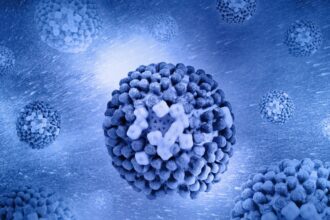
A striking reality of human biochemistry emerges when examining protein diversity: the entire proteome—every protein functioning in your body—derives from just 20 amino acids. These nine essential and eleven non-essential compounds combine in countless sequences to generate millions of functionally distinct proteins. This elegant molecular economy underpins muscle contraction, enzymatic catalysis, immune recognition, and hormonal regulation. The nine essential amino acids (leucine, isoleucine, valine, methionine, phenylalanine, threonine, tryptophan, histidine, and lysine) cannot be synthesised de novo and depend entirely on dietary sources for adequate supply. The remarkable efficiency of this system demonstrates how biological complexity emerges from fundamental simplicity. However, this same simplicity emphasises a critical nutritional principle: protein quality fundamentally depends on amino acid composition. Different food sources provide markedly different amino acid patterns, directly affecting protein utilisation efficiency.
Was this article helpful?
GMJ Brief · Key Finding
📰 Read the full article: The 20 Amino Acids: Your Body’s Protein Alphabet Explained →