



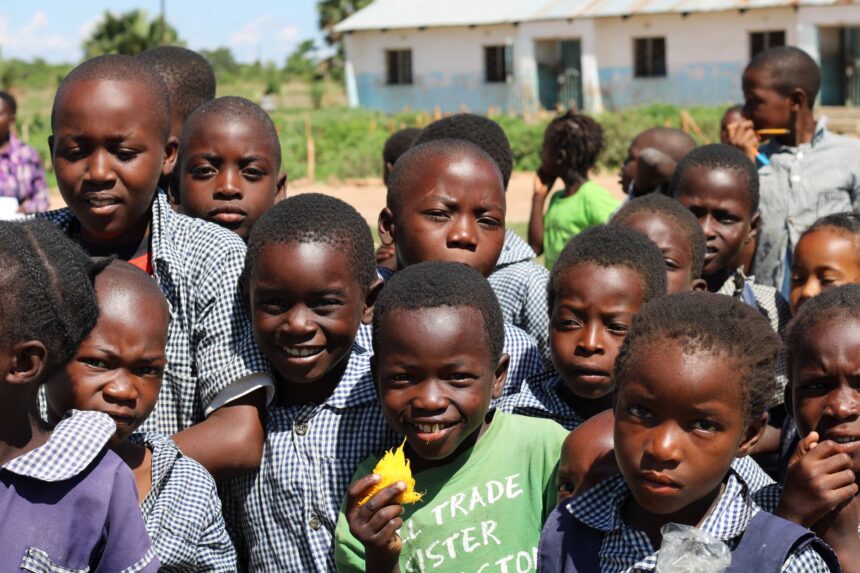
Healthcare professionals and humanitarian workers must understand the interconnected dimensions of Mali’s child protection emergency: 2.3 million children require immediate humanitarian assistance; schools and hospitals face systematic attacks violating international law; and the regional Sahel crisis extends far beyond Mali’s borders, affecting over 35 million children across five nations. The closure or damage of health facilities directly impacts child mortality rates, vaccine coverage, and maternal health outcomes, while educational disruptions threaten long-term development and social stability. Medical professionals in conflict-affected areas should be aware that protecting civilian healthcare infrastructure is both a legal obligation and a practical necessity for effective service delivery. Understanding this broader context helps aid workers advocate for security measures, document violations, and coordinate evidence-based responses to protect vulnerable populations.
Was this article helpful?

