By using this site, you agree to the Privacy Policy and Terms of Use.
Accept
GMJ NewsGMJ NewsGMJ News
  • Latest News
    • GMJ Briefs
  • Podcast & Media
    • Podcast Episodes
    • GMJ Audio
    • GMJ Videos
  • Research Digest
    • New Studies
    • Georgian Research
    • Data & Numbers
  • Policy & Systems
    • Health Policy
    • Quality & Safety
    • Migration & Health
    • Global Health
  • Practice
    • Clinical Updates
    • Case Discussions
    • Pharmacy & Prescribing
    • Ingredients A-Z
  • Perspectives
    • Editorial
    • Explainers
    • Voices
    • Letters
  • GMJ Articles
    • Vol. 1 Issue 2 (2026)
    • Vol. 1 Issue 1 (2026)
    • Pre-Launch Articles (2025)
  • Read the Journal →
  • About GMJ News
Notification Show More
Font ResizerAa
GMJ NewsGMJ News
Font ResizerAa
  • Latest News
    • GMJ Briefs
  • Podcast & Media
    • Podcast Episodes
    • GMJ Audio
    • GMJ Videos
  • Research Digest
    • New Studies
    • Georgian Research
    • Data & Numbers
  • Policy & Systems
    • Health Policy
    • Quality & Safety
    • Migration & Health
    • Global Health
  • Practice
    • Clinical Updates
    • Case Discussions
    • Pharmacy & Prescribing
    • Ingredients A-Z
  • Perspectives
    • Editorial
    • Explainers
    • Voices
    • Letters
  • GMJ Articles
    • Vol. 1 Issue 2 (2026)
    • Vol. 1 Issue 1 (2026)
    • Pre-Launch Articles (2025)
  • Read the Journal →
  • About GMJ News
Follow US
GMJ News > GMJ Briefs > What Anti-Aging Drug Study Findings Mean for Longevity Research and Patient Safety

What Anti-Aging Drug Study Findings Mean for Longevity Research and Patient Safety

GMJ
Last updated: 29/06/2026 00:45
By
Prof. Giorgi Pkhakadze
Share
1 Min Read
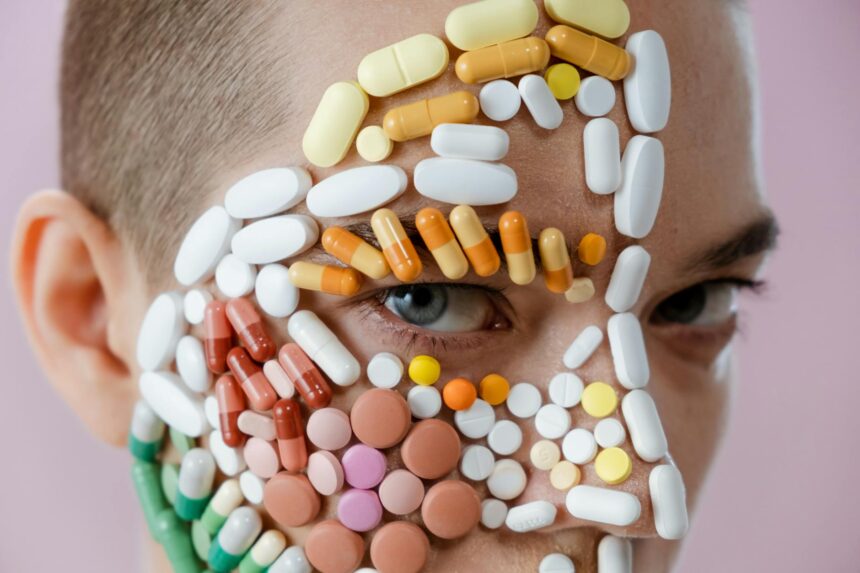
Microscopic image showing damaged brain tissue from anti-aging drug treatment in laboratory mice
A widely researched anti-aging drug combination caused severe brain damage in mice, including myelin loss and cognitive changes resembling "chemo brain." The findings raise urgent safety questions about compounds being explored for human longevity treatments. — Photo: cottonbro studio / Pexels
SHARE
1 min read|135 words

A significant preclinical study identifying severe neurological damage from an anti-aging drug combination offers three critical insights for medical professionals and patients. First, the treatment produced substantial myelin loss and cognitive dysfunction resembling chemotherapy-related cognitive impairment—effects that were more severe than initially expected. Second, the damaged brain cells demonstrated striking similarities to multiple sclerosis pathology, potentially opening new avenues for understanding demyelinating disease mechanisms.

Third and most importantly, these findings underscore the necessity for comprehensive safety evaluation in longevity research before human applications. The unexpected neurological toxicity challenges current assumptions about compound safety profiles and emphasizes that anti-aging interventions require rigorous preclinical validation. Clinicians and researchers should interpret these results as a cautionary reminder that accelerating compounds to human trials without complete safety data carries substantial risks.

Read the full article on GMJ Newsroom.

Was this article helpful?

GMJ Brief · Takeaway

📰 Read the full article: Popular Anti-Aging Drug Combination Causes Severe Brain Damage in Mice →

Related reference
  • Multiple Sclerosis · Condition
Share This Article
Facebook LinkedIn Bluesky Copy Link Print
GMJ
ByProf. Giorgi Pkhakadze
Follow:
Prof. Giorgi Pkhakadze, MD, MPH, PhD, is Editor-in-Chief of the Georgian Medical Journal and Chair of the Public Health Institute of Georgia (PHIG). He is Professor and Head of the Department of Social and Behavioural Sciences at David Tvildiani Medical University, and Secretary/Treasurer of the UEMS Section of Public Health. ORCID: 0000-0001-7609-4515.

Submit Your Paper →

Georgia's peer-reviewed open-access medical journal. No APC until January 2027.
Submit Manuscript →
Scientists Discover Hidden Mechanism in Brain Ion Channels That Could Transform Neurological Treatment

Scientists discover that brain glutamate receptors need only 2 of 4 subunits…

California Hospital Groups Launch Competing Ballot Initiatives on Healthcare Worker Wages

California's healthcare sector faces competing ballot initiatives from worker unions and hospital…

UK Health Security Agency Publishes New Hantavirus Transmission Parameters for Public Health Response

UK Health Security Agency releases comprehensive guidance on hantavirus human-to-human transmission parameters.…

Submit Your Paper to GMJ

No APC until January 2027.
Submit Manuscript →

You Might Also Like

Health PolicyPolicy & Systems

Vaccine-Skeptical California County Halts Measles Outbreak Through Community Leaders

By
Prof. Giorgi Pkhakadze
30/05/2026

🚨 Ebola: Outbreak cases are “tip of iceberg,” says Africa CDC official at centre of epidemic

By
Prof. Giorgi Pkhakadze
13/06/2026

WHO Praises Uganda’s Ebola Response as Cases Spread from DRC

By
Prof. Giorgi Pkhakadze
17/06/2026
Vitamin D supplement capsules with molecular structure diagram showing D2 and D3 differences

What You Need to Know About Your Vitamin D Supplement Choice

By
Prof. Giorgi Pkhakadze
24/06/2026
Facebook Twitter Youtube Instagram
Company
  • Privacy Policy
  • Contact US
  • GMJ Journal
  • Submit Manuscript
  • Editorial Team
  • Register at GMJ
  • Terms of Use

Subscribe to GMJ News — Click here

Join Community
© 2026 Georgian Medical Journal (GMJ). Published by the Public Health Institute of Georgia (PHIG). All rights reserved.
Welcome Back!

Sign in to your account

Username or Email Address
Password

Lost your password?

Not a member? Sign Up