By using this site, you agree to the Privacy Policy and Terms of Use.
Accept
GMJ NewsGMJ NewsGMJ News
  • Latest News
    • GMJ Briefs
  • Podcast & Media
    • Podcast Episodes
    • GMJ Audio
    • GMJ Videos
  • Research Digest
    • New Studies
    • Georgian Research
    • Data & Numbers
  • Policy & Systems
    • Health Policy
    • Quality & Safety
    • Migration & Health
    • Global Health
  • Practice
    • Clinical Updates
    • Case Discussions
    • Pharmacy & Prescribing
    • Ingredients A-Z
  • Perspectives
    • Editorial
    • Explainers
    • Voices
    • Letters
  • GMJ Articles
    • Vol. 1 Issue 2 (2026)
    • Vol. 1 Issue 1 (2026)
    • Pre-Launch Articles (2025)
  • Read the Journal →
  • About GMJ News
Notification Show More
Font ResizerAa
GMJ NewsGMJ News
Font ResizerAa
  • Latest News
    • GMJ Briefs
  • Podcast & Media
    • Podcast Episodes
    • GMJ Audio
    • GMJ Videos
  • Research Digest
    • New Studies
    • Georgian Research
    • Data & Numbers
  • Policy & Systems
    • Health Policy
    • Quality & Safety
    • Migration & Health
    • Global Health
  • Practice
    • Clinical Updates
    • Case Discussions
    • Pharmacy & Prescribing
    • Ingredients A-Z
  • Perspectives
    • Editorial
    • Explainers
    • Voices
    • Letters
  • GMJ Articles
    • Vol. 1 Issue 2 (2026)
    • Vol. 1 Issue 1 (2026)
    • Pre-Launch Articles (2025)
  • Read the Journal →
  • About GMJ News
Follow US
GMJ News > Research Digest > New Studies > Scientists Discover Hidden Mechanism in Brain Ion Channels That Could Transform Neurological Treatment
New StudiesResearch Digest

Scientists Discover Hidden Mechanism in Brain Ion Channels That Could Transform Neurological Treatment

GMJ
Last updated: 23/06/2026 18:42
By
GMJ Research Desk
Share
6 Min Read
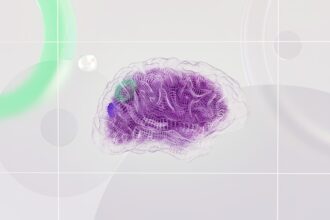
Diagram showing glutamate receptor subunits in brain ion channels with selective activation patternIllustrative image · Photo by Robina Weermeijer on Unsplash (Unsplash License)
Scientists discover that brain glutamate receptors need only 2 of 4 subunits to function, revealing a hidden mechanism that could transform neurological treatments. The breakthrough challenges decades of assumptions about neural signaling. — Photo by Robina Weermeijer on Unsplash (Unsplash License)
SHARE
4 min read|718 words
✓ Medically reviewed by Prof. Giorgi Pkhakadze, MD, MPH, PhD · ORCID 0000-0001-7609-4515

🟢 Strong Evidence

Contents
    • Key takeaways
      • Study at a Glance
      • Glutamate Receptor Subunit Activation Pattern
  • Breakthrough Challenges Decades of Neuroscience Assumptions
  • Hidden Switch Mechanism Reveals Receptor Flexibility
  • Clinical Implications for Neurological Disorders
    • What this means
  • Frequently asked questions
    • What are glutamate receptors and why are they important?
    • How does this discovery change our understanding of brain signaling?
    • What potential treatments could emerge from this research?

Scientists at Ruhr University Bochum have discovered a previously unknown mechanism controlling how brain cells transmit excitatory signals, potentially opening new pathways for treating neurological disorders. The research, published in Nature Communications on April 24, 2026, reveals that only two of four receptor subunits need to open for ion channels to function.

Key takeaways

  • Brain glutamate receptors require only 2 of 4 subunits to open, not all 4 as previously thought
  • This “hidden switch” mechanism could explain variability in neuronal signaling strength
  • Findings may lead to more targeted therapies for neurodegenerative diseases and epilepsy

Study at a Glance

Source Nature Communications
Study type Experimental neurobiology
Sample size Multiple receptor complexes analyzed
Population Glutamate receptor proteins
Country Germany, United States
2 of 4
receptor subunits needed to open ion channels, according to Nature Communications study

Glutamate Receptor Subunit Activation Pattern

New mechanism shows selective subunit opening in brain ion channels

4
Total subunits
2
Required to open
50%
Efficiency rate

Source: Nature Communications, 2026 | Georgian Medical Journal News

Submit Your Paper
GMJ_Submit_Banner

Breakthrough Challenges Decades of Neuroscience Assumptions

The research team, led by Professor Andreas Reiner at the Chair of Cellular Neurobiology at Ruhr University Bochum, collaborated with scientists from the Department of Biochemistry and Biophysics at Weill Cornell Medicine in New York. Their work focused on glutamate receptors, which are crucial for detecting neurotransmitter signals that enable communication between nerve cells.

Glutamate serves as the primary excitatory neurotransmitter in the brain, and cells use various receptor types with different signaling properties to detect these chemical messages. The newly discovered mechanism suggests that neural signaling may be more flexible and efficient than previously understood, with potential implications for understanding brain plasticity and neurological disorders.

Hidden Switch Mechanism Reveals Receptor Flexibility

The surprising finding that only two of four receptor subunits need to be active challenges the conventional understanding of how ion channels operate. This “hidden switch” mechanism could explain why some neural signals are stronger than others and how the brain fine-tunes its responses to different stimuli.

The research utilized advanced biochemical and biophysical techniques to examine glutamate receptor complexes at the molecular level. The team’s methodology allowed them to observe real-time receptor behavior and identify the specific subunit combinations required for channel opening, according to the Nature Communications publication.

Clinical Implications for Neurological Disorders

Understanding this selective activation mechanism could lead to more precise therapeutic approaches for conditions involving glutamate signaling dysfunction, including epilepsy, Alzheimer’s disease, and stroke. Current treatments often target entire receptor systems, but this research suggests more nuanced interventions might be possible.

The collaboration between German and American researchers demonstrates the international scope of neuroscience research and highlights the importance of cross-institutional partnerships in advancing our understanding of brain function. The findings build on decades of glutamate receptor research while opening entirely new avenues for investigation.

Only two of four glutamate receptor subunits need to open for ion channel function, revealing unprecedented flexibility in neural signaling mechanisms

— Professor Andreas Reiner, Ruhr University Bochum (Nature Communications, 2026)

What this means

For patients: Future neurological treatments may be more targeted with fewer side effects by focusing on specific receptor subunits rather than entire systems
For clinicians: Understanding selective subunit activation could guide precision medicine approaches for epilepsy, neurodegenerative diseases, and psychiatric conditions
For policymakers: Investment in basic neuroscience research continues to yield unexpected discoveries that may transform therapeutic approaches for brain disorders

Frequently asked questions

What are glutamate receptors and why are they important?

Glutamate receptors are proteins that detect glutamate, the brain’s main excitatory neurotransmitter. They are essential for learning, memory, and virtually all brain functions, making them key targets for neurological research.

How does this discovery change our understanding of brain signaling?

The finding that only half of a receptor’s subunits need to be active suggests brain signaling is more flexible and efficient than previously thought. This could explain how neurons fine-tune their responses to different stimuli.

What potential treatments could emerge from this research?

Understanding selective subunit activation could lead to more precise medications for epilepsy, Alzheimer’s disease, and other neurological conditions by targeting specific receptor components rather than entire systems.

This groundbreaking research represents a significant step forward in understanding the fundamental mechanisms of brain communication. As scientists continue to unravel the complexities of neural signaling, discoveries like this hidden switch mechanism may ultimately lead to more effective treatments for the millions of people worldwide living with neurological disorders.

Source: Hidden switch lets two of four receptor subunits open brain ion channel

Was this article helpful?

Disclaimer. This article is health journalism intended for general information and education. It is not medical advice and is not a substitute for professional diagnosis or treatment. Always consult a qualified healthcare provider about your individual circumstances. Full disclaimer →

Related Coverage

Brain Health Can Improve Into 90s, Challenging Decline AssumptionsJun 29, 2026
Endocrine-disrupting chemicals detected in breast milk and infant urine through 6 monthsJun 29, 2026
New Biomarkers Could Predict Melanoma Outcomes in High-Risk PatientsJun 29, 2026
Third Electrode Pair Improves Deep Brain Stimulation Precision in Mouse StudyJun 29, 2026
Related reference
  • Epilepsy · Condition
  • Stroke · Condition
PG
Written by
Prof. Giorgi Pkhakadze, MD, MPH, PhD
Editor-in-Chief, GMJ News
Full profile →  ·  ORCID 0000-0001-7609-4515
Medical disclaimer. This article is health journalism intended for general information. It is not medical advice and is not a substitute for consultation with a qualified healthcare professional. Always seek your physician's advice regarding any medical condition.
Medically reviewed by Prof. Giorgi Pkhakadze, MD, MPH, PhD. Spotted an error? Contact the editorial team.

Get the GMJ News digest
Evidence-based health journalism in your inbox. No spam; unsubscribe anytime.
TAGGED:brain researchglutamate receptorsion channelsneurological disordersneuroscience
Share This Article
Facebook LinkedIn Bluesky Copy Link Print
GMJ
ByGMJ Research Desk
Follow:
GMJ Research Desk is part of GMJ News, the newsroom of the Georgian Medical Journal (gmj.ge), published by the Public Health Institute of Georgia. Every article is editorially reviewed before publication.
Leave a Comment Leave a Comment

Leave a Reply Cancel reply

Your email address will not be published. Required fields are marked *

Submit Your Paper →

Georgia's peer-reviewed open-access medical journal. No APC until January 2027.
Submit Manuscript →
California Hospital Groups Launch Competing Ballot Initiatives on Healthcare Worker Wages

California's healthcare sector faces competing ballot initiatives from worker unions and hospital…

UK Health Security Agency Publishes New Hantavirus Transmission Parameters for Public Health Response

UK Health Security Agency releases comprehensive guidance on hantavirus human-to-human transmission parameters.…

FDA Approves Sanofi’s Teplizumab for Children with Stage 3 Type 1 Diabetes

FDA approves Sanofi's teplizumab for children with stage 3 type 1 diabetes,…

Submit Your Paper to GMJ

No APC until January 2027.
Submit Manuscript →

You Might Also Like

Microscopic view of prostate cancer cells showing metabolic pathwaysIllustrative image · Photo by Leeloo The First on Pexels (Pexels License)
New StudiesResearch Digest

Ceramide Metabolism May Explain Racial Disparities in Prostate Cancer Drug Response

By
GMJ Research Desk
19/06/2026
Brain development illustration showing prefrontal cortex and amygdala in context of stress response
New Studies

Harsh Parenting Linked to Weaker Stress Regulation in Children, New Research Shows

By
GMJ Research Desk
19/05/2026
Medical researcher examining prosthetic foot with grid overlay assessment method
New StudiesResearch Digest

New grid-based method improves prosthetic foot wear assessment in resource-limited settings

By
GMJ Research Desk
31/05/2026
Medical illustration showing weight loss medication injection and clinical trial resultsIllustrative image · Photo by SHVETS production on Pexels (Pexels License)
Clinical UpdatesNew StudiesPracticeResearch Digest

Survodutide Weekly Injection Shows 17.5% Weight Loss in Phase 3 Obesity Trial

By
GMJ Practice Desk
17/06/2026
Facebook Twitter Youtube Instagram
Company
  • Privacy Policy
  • Contact US
  • GMJ Journal
  • Submit Manuscript
  • Editorial Team
  • Register at GMJ
  • Terms of Use

Subscribe to GMJ News — Click here

Join Community
© 2026 Georgian Medical Journal (GMJ). Published by the Public Health Institute of Georgia (PHIG). All rights reserved.
Welcome Back!

Sign in to your account

Username or Email Address
Password

Lost your password?

Not a member? Sign Up