By using this site, you agree to the Privacy Policy and Terms of Use.
Accept
GMJ NewsGMJ NewsGMJ News
  • Latest News
    • GMJ Briefs
  • Podcast & Media
    • Podcast Episodes
    • GMJ Audio
    • GMJ Videos
  • Research Digest
    • New Studies
    • Georgian Research
    • Data & Numbers
  • Policy & Systems
    • Health Policy
    • Quality & Safety
    • Migration & Health
    • Global Health
  • Practice
    • Clinical Updates
    • Case Discussions
    • Pharmacy & Prescribing
    • Ingredients A-Z
  • Dictionary
    • Browse A–Z
    • About the Project
    • Contribute a Term
  • Perspectives
    • Editorial
    • Explainers
    • Voices
    • Letters
  • Health Topics
  • GMJ Articles
    • Vol. 1 Issue 2 (2026)
    • Vol. 1 Issue 1 (2026)
    • Pre-Launch Articles (2025)
  • Read the Journal →
  • About GMJ News
Notification Show More
Font ResizerAa
GMJ NewsGMJ News
Font ResizerAa
  • Latest News
    • GMJ Briefs
  • Podcast & Media
    • Podcast Episodes
    • GMJ Audio
    • GMJ Videos
  • Research Digest
    • New Studies
    • Georgian Research
    • Data & Numbers
  • Policy & Systems
    • Health Policy
    • Quality & Safety
    • Migration & Health
    • Global Health
  • Practice
    • Clinical Updates
    • Case Discussions
    • Pharmacy & Prescribing
    • Ingredients A-Z
  • Dictionary
    • Browse A–Z
    • About the Project
    • Contribute a Term
  • Perspectives
    • Editorial
    • Explainers
    • Voices
    • Letters
  • Health Topics
  • GMJ Articles
    • Vol. 1 Issue 2 (2026)
    • Vol. 1 Issue 1 (2026)
    • Pre-Launch Articles (2025)
  • Read the Journal →
  • About GMJ News
Follow US
GMJ News > GMJ Briefs > What Athletes and Health-Conscious Individuals Need to Know About Protein Selection

What Athletes and Health-Conscious Individuals Need to Know About Protein Selection

GMJ
Last updated: 24/08/2026 07:30
By
Prof. Giorgi Pkhakadze
Share
1 Min Read
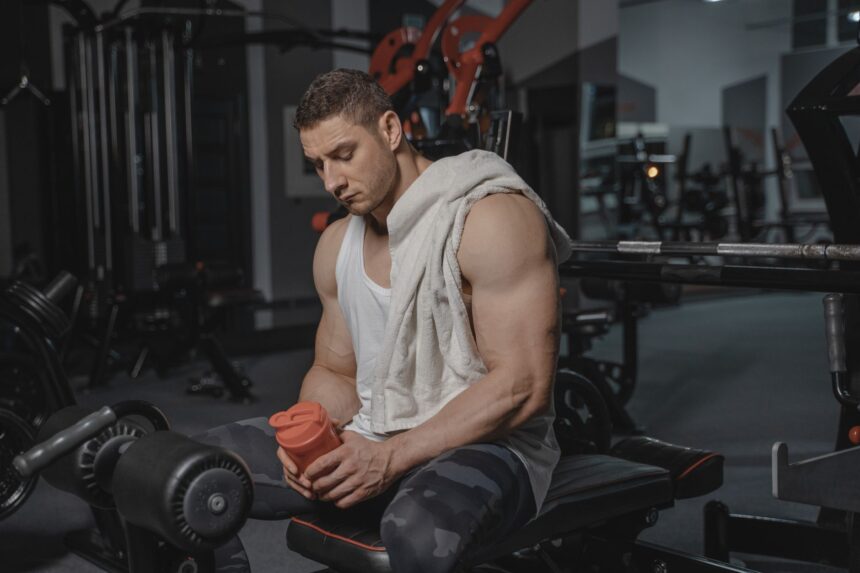
Chart comparing acute muscle protein synthesis spike (47% animal advantage) versus daily synthesis rates (no difference) and 10-week muscle growth outcomes (8.3% both groups)
A 2023 study found that animal protein triggers 47% higher muscle protein synthesis after a single meal—but this advantage vanishes when measured over days or weeks. Four independent research teams confirm that total daily protein intake, not source, predicts muscle growth. — Photo by Tima Miroshnichenko on Pexels (Pexels License)
SHARE
1 min read|128 words

Three critical practical implications emerge from recent protein metabolism research. First, the acute 47% muscle protein synthesis advantage observed with animal protein does not accumulate into measurable long-term benefits when daily protein targets are met. Second, meal timing and frequency appear less critical than previously emphasized in sports nutrition literature—daily totals determine outcomes, not the distribution pattern. Third, for individuals committed to meeting daily protein requirements of 1.2–1.6 g/kg body weight, protein source selection should be driven by personal preference, dietary restrictions, cost considerations, and overall health objectives rather than muscle-building efficacy. Study participants consuming plant-based proteins achieved identical 8.3% muscle growth compared to omnivorous counterparts over 10 weeks. This evidence empowers individuals to optimize protein intake strategies aligned with their individual circumstances. Read the full article on GMJ Newsroom.

Was this article helpful?

GMJ Brief · Takeaway

📰 Read the full article: Animal Protein’s Muscle-Building Edge Disappears When Measured Over Days, Not Hours →

Share This Article
Facebook LinkedIn Bluesky Copy Link Print
GMJ
ByProf. Giorgi Pkhakadze
Follow:
Prof. Giorgi Pkhakadze, MD, MPH, PhD, is Editor-in-Chief of the Georgian Medical Journal and Chair of the Public Health Institute of Georgia (PHIG). He is Professor and Head of the Department of Social and Behavioural Sciences at David Tvildiani Medical University, and Secretary/Treasurer of the UEMS Section of Public Health. ORCID: 0000-0001-7609-4515.

Submit Your Paper →

Georgia's peer-reviewed open-access medical journal. No APC until January 2027.
Submit Manuscript →
Ethiopia Study Reveals Stakeholder Concerns Over Novel Malaria Treatments

A qualitative study in Ethiopia reveals that health workers and patients view…

Sitafloxacin monotherapy matches doxycycline-rifampicin for brucellosis treatment in landmark trial

A multicenter randomized trial in The Lancet Regional Health – Western Pacific…

Ultra-processed foods linked to higher kidney cancer risk in large US study

A prospective analysis of over 300,000 US adults found that higher consumption…

Submit Your Paper to GMJ

No APC until January 2027.
Submit Manuscript →

You Might Also Like

Diagram of neuronal membrane showing DHA molecule and six double bonds creating membrane fluidity

What You Need to Know: Why DHA’s Role in Brain Function Matters

By
Prof. Giorgi Pkhakadze
21/08/2026
Medical researcher in laboratory representing scientific independence under threat from new federal grantmaking rules

Four Decades Without Precedent: AAMC Chief Flags Unprecedented Research Funding Threat

By
Prof. Giorgi Pkhakadze
11/07/2026
Scientific illustration of brain cells and GLP-1 receptor activity in hypothalamus region

Nearly Half of GLP-1 Patients Experience Weight-Loss Plateau Within One Year

By
Prof. Giorgi Pkhakadze
10/06/2026

SITUATION BRIEF: Ebola Outbreak – DRC/Uganda Cross-Border Transmission with WHO PHEIC Declaration

By
Prof. Giorgi Pkhakadze
31/05/2026
Facebook Twitter Youtube Instagram
Company
  • Privacy Policy
  • Contact US
  • GMJ Journal
  • Submit Manuscript
  • Editorial Team
  • Register at GMJ
  • Terms of Use

Subscribe to GMJ News — Click here

Join Community
© 2026 Georgian Medical Journal (GMJ). Published by the Public Health Institute of Georgia (PHIG). All rights reserved.
Welcome Back!

Sign in to your account

Username or Email Address
Password

Lost your password?