By using this site, you agree to the Privacy Policy and Terms of Use.
Accept
GMJ NewsGMJ NewsGMJ News
  • Latest News
    • GMJ Briefs
  • Podcast & Media
    • Podcast Episodes
    • GMJ Audio
    • GMJ Videos
  • Research Digest
    • New Studies
    • Georgian Research
    • Data & Numbers
  • Policy & Systems
    • Health Policy
    • Quality & Safety
    • Migration & Health
    • Global Health
  • Practice
    • Clinical Updates
    • Case Discussions
    • Pharmacy & Prescribing
    • Ingredients A-Z
  • Perspectives
    • Editorial
    • Explainers
    • Voices
    • Letters
  • Health Topics
    • Diabetes
    • Cancer
    • Cardiovascular
    • Mental Health
    • Vaccines
    • Supplements
    • Migration & Health
    • Patient Safety & Accreditation
    • Occupational Safety and Health
  • GMJ Articles
    • Vol. 1 Issue 2 (2026)
    • Vol. 1 Issue 1 (2026)
    • Pre-Launch Articles (2025)
  • Read the Journal →
  • About GMJ News
Notification Show More
Font ResizerAa
GMJ NewsGMJ News
Font ResizerAa
  • Latest News
    • GMJ Briefs
  • Podcast & Media
    • Podcast Episodes
    • GMJ Audio
    • GMJ Videos
  • Research Digest
    • New Studies
    • Georgian Research
    • Data & Numbers
  • Policy & Systems
    • Health Policy
    • Quality & Safety
    • Migration & Health
    • Global Health
  • Practice
    • Clinical Updates
    • Case Discussions
    • Pharmacy & Prescribing
    • Ingredients A-Z
  • Perspectives
    • Editorial
    • Explainers
    • Voices
    • Letters
  • Health Topics
    • Diabetes
    • Cancer
    • Cardiovascular
    • Mental Health
    • Vaccines
    • Supplements
    • Migration & Health
    • Patient Safety & Accreditation
    • Occupational Safety and Health
  • GMJ Articles
    • Vol. 1 Issue 2 (2026)
    • Vol. 1 Issue 1 (2026)
    • Pre-Launch Articles (2025)
  • Read the Journal →
  • About GMJ News
Follow US
GMJ News > GMJ Briefs > What Clinicians Should Know: Orforglipron’s Role in Modern Type 2 Diabetes Management

What Clinicians Should Know: Orforglipron’s Role in Modern Type 2 Diabetes Management

GMJ
Last updated: 09/08/2026 06:36
By
Prof. Giorgi Pkhakadze
Share
1 Min Read
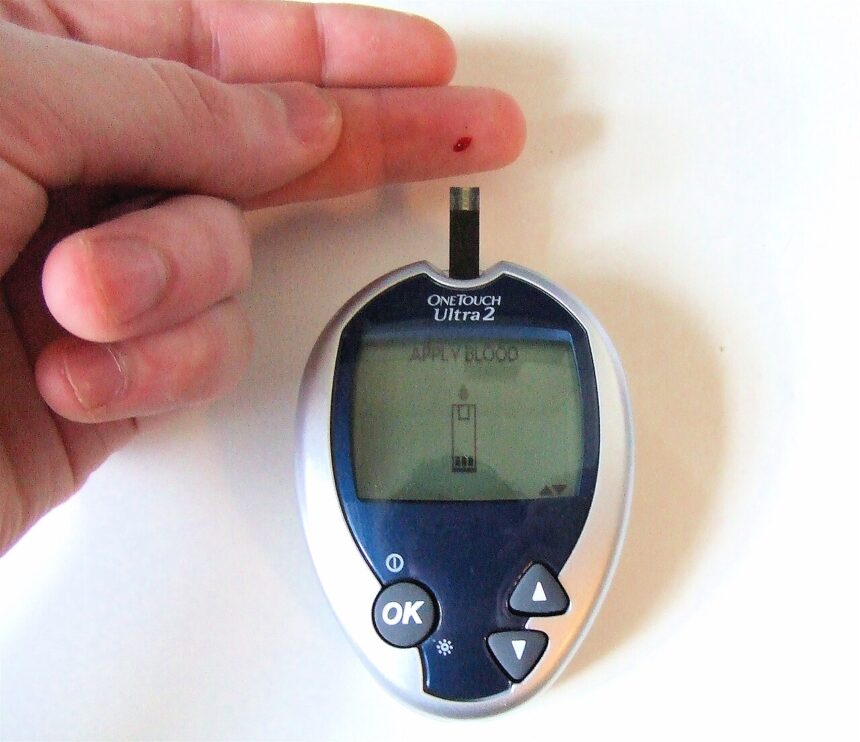
Medical chart showing HbA1c reduction with GLP-1 receptor agonist therapy in type 2 diabetes patients
Two phase III randomised controlled trials presented at the American Diabetes Association conference in June 2026 demonstrate that orforglipron, a once-weekly GLP-1 receptor agonist, delivers clinically significant HbA1c reductions when combined with metformin or insulin glargine. The findings appear in The Lancet and JAMA. — Blood Glucose Testing.JPG by David-i98 (talk) (Uploads) / CC BY-SA 3.0 via Wikimedia Commons (CC BY-SA 3.0)
SHARE
1 min read|117 words

Two phase III trials published in The Lancet and JAMA offer three essential insights for clinicians managing type 2 diabetes. First, orforglipron delivers clinically meaningful HbA1c reductions when combined with metformin or insulin glargine, with reductions reaching 1.5% in combination therapy—substantial improvements for glycaemic control. Second, the once-weekly dosing regimen addresses a persistent challenge in diabetes care: treatment adherence. Less frequent dosing schedules correlate with improved patient compliance and sustained therapeutic benefit. Third, the drug’s tolerability profile extends GLP-1 receptor agonist options to diverse patient populations, enabling more personalised therapeutic approaches. These findings, presented at the American Diabetes Association annual meeting in June 2026, reinforce the role of GLP-1 agonists as cornerstone agents in type 2 diabetes combination therapy.

Was this article helpful?

GMJ Brief · Takeaway

📰 Read the full article: Orforglipron Shows Clinically Significant HbA1c Reductions in Type 2 Diabetes →

Related reference
  • Insulin glargine · Drug
  • Type 2 Diabetes · Condition
  • Metformin · Drug
  • Insulin · Drug
Share This Article
Facebook LinkedIn Bluesky Copy Link Print
GMJ
ByProf. Giorgi Pkhakadze
Follow:
Prof. Giorgi Pkhakadze, MD, MPH, PhD, is Editor-in-Chief of the Georgian Medical Journal and Chair of the Public Health Institute of Georgia (PHIG). He is Professor and Head of the Department of Social and Behavioural Sciences at David Tvildiani Medical University, and Secretary/Treasurer of the UEMS Section of Public Health. ORCID: 0000-0001-7609-4515.

Submit Your Paper →

Georgia's peer-reviewed open-access medical journal. No APC until January 2027.
Submit Manuscript →
UK’s MHRA Publishes Performance Data: Drug Approvals, Review Times, and Regulatory Efficiency Metrics

The UK's Medicines and Healthcare products Regulatory Agency (MHRA) has published comprehensive…

Teaching Children to Make Safe Choices: Beyond Protective Barriers

Approximately 20 US children die daily from unintentional injuries. While car seats…

Protecting Children During Extreme Heat: Clinical Guidance for Families and Healthcare Providers

Heat-related illness in children is preventable through age-appropriate hydration, environmental modifications, and…

Submit Your Paper to GMJ

No APC until January 2027.
Submit Manuscript →

You Might Also Like

Medical illustration showing targeted therapy for gastrointestinal stromal tumors

New Data Highlights Urgent Need for Alternative Therapies in SDH-Deficient GIST

By
Prof. Giorgi Pkhakadze
22/07/2026
Horizontal bar chart showing effectiveness of district-level tobacco control measures in Indonesia, 2013-2023

What Indonesia’s Tobacco Control Success Teaches Global Health Systems

By
Prof. Giorgi Pkhakadze
09/08/2026

CLUSTER ALERT: Cross-border Ebola outbreak – DRC/Uganda

By
Prof. Giorgi Pkhakadze
31/05/2026
Diagram showing genomic instability pathway leading to cancer treatment resistance

Cancer’s Hidden Strategy: How DNA Damage Creates Treatment-Resistant Tumors

By
Prof. Giorgi Pkhakadze
04/06/2026
Facebook Twitter Youtube Instagram
Company
  • Privacy Policy
  • Contact US
  • GMJ Journal
  • Submit Manuscript
  • Editorial Team
  • Register at GMJ
  • Terms of Use

Subscribe to GMJ News — Click here

Join Community
© 2026 Georgian Medical Journal (GMJ). Published by the Public Health Institute of Georgia (PHIG). All rights reserved.
Welcome Back!

Sign in to your account

Username or Email Address
Password

Lost your password?

Not a member? Sign Up