By using this site, you agree to the Privacy Policy and Terms of Use.
Accept
GMJ NewsGMJ NewsGMJ News
  • Latest News
    • GMJ Briefs
  • Podcast & Media
    • Podcast Episodes
    • GMJ Audio
    • GMJ Videos
  • Research Digest
    • New Studies
    • Georgian Research
    • Data & Numbers
  • Policy & Systems
    • Health Policy
    • Quality & Safety
    • Migration & Health
    • Global Health
  • Practice
    • Clinical Updates
    • Case Discussions
    • Pharmacy & Prescribing
    • Ingredients A-Z
  • Perspectives
    • Editorial
    • Explainers
    • Voices
    • Letters
  • Health Topics
  • GMJ Articles
    • Vol. 1 Issue 2 (2026)
    • Vol. 1 Issue 1 (2026)
    • Pre-Launch Articles (2025)
  • Read the Journal →
  • About GMJ News
Notification Show More
Font ResizerAa
GMJ NewsGMJ News
Font ResizerAa
  • Latest News
    • GMJ Briefs
  • Podcast & Media
    • Podcast Episodes
    • GMJ Audio
    • GMJ Videos
  • Research Digest
    • New Studies
    • Georgian Research
    • Data & Numbers
  • Policy & Systems
    • Health Policy
    • Quality & Safety
    • Migration & Health
    • Global Health
  • Practice
    • Clinical Updates
    • Case Discussions
    • Pharmacy & Prescribing
    • Ingredients A-Z
  • Perspectives
    • Editorial
    • Explainers
    • Voices
    • Letters
  • Health Topics
  • GMJ Articles
    • Vol. 1 Issue 2 (2026)
    • Vol. 1 Issue 1 (2026)
    • Pre-Launch Articles (2025)
  • Read the Journal →
  • About GMJ News
Follow US
GMJ News > GMJ Briefs > What Communities Need to Know About Myanmar’s Rare Earth Mining Health Crisis

What Communities Need to Know About Myanmar’s Rare Earth Mining Health Crisis

GMJ
Last updated: 19/07/2026 15:36
By
Prof. Giorgi Pkhakadze
Share
1 Min Read
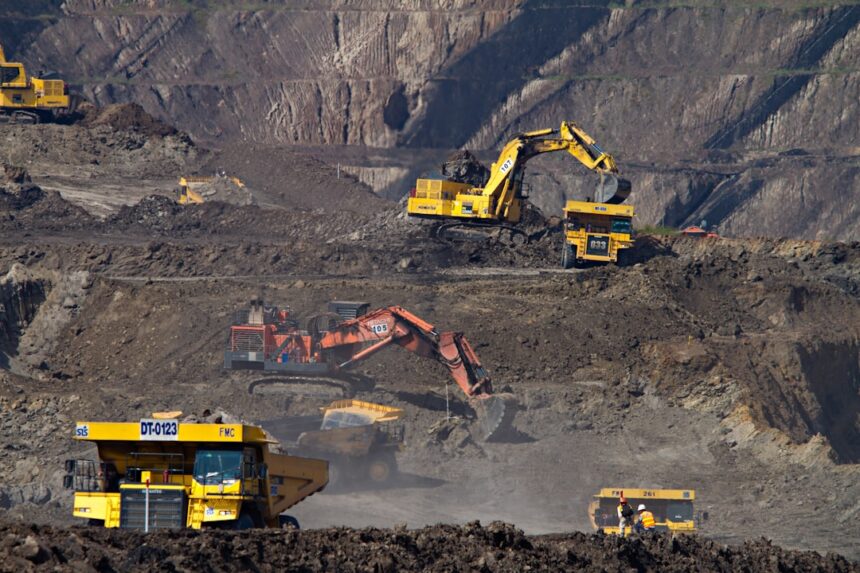
Rare earth mining operation showing environmental concerns in Myanmar
Rare earth mining operations in Myanmar are creating an unmonitored environmental health crisis as global demand for these critical minerals intensifies. The Lancet warns that extraction is proceeding without adequate oversight, potentially exposing local populations to severe health risks. — Photo by Dominik Vanyi on Unsplash (Unsplash License)
SHARE
1 min read|131 words

Three critical concerns emerge from the current rare earth mining situation in Myanmar. First, extraction operations are fundamentally compromised by regulatory gaps created by ongoing conflict, meaning environmental health oversight is virtually nonexistent. Second, global demand for magnetic rare earths is projected to triple by 2035, intensifying pressure for rapid expansion without safety frameworks. Third, local populations face direct exposure risks to contaminated soil and water from acid processing and chemical handling used in rare earth extraction.

Without independent monitoring systems and community health assessments, the full scale of exposure remains unknown. Vulnerable populations in mining regions lack baseline health data, early warning systems, or access to medical evaluation for rare earth-related exposures. International health organizations and policymakers must establish immediate oversight mechanisms and support local health infrastructure before expansion accelerates further.

Was this article helpful?

GMJ Brief · Takeaway

📰 Read the full article: Rare Earth Mining Creates Hidden Public Health Crisis in Myanmar →

Related reference
  • Iron · Ingredient
Share This Article
Facebook LinkedIn Bluesky Copy Link Print
GMJ
ByProf. Giorgi Pkhakadze
Follow:
Prof. Giorgi Pkhakadze, MD, MPH, PhD, is Editor-in-Chief of the Georgian Medical Journal and Chair of the Public Health Institute of Georgia (PHIG). He is Professor and Head of the Department of Social and Behavioural Sciences at David Tvildiani Medical University, and Secretary/Treasurer of the UEMS Section of Public Health. ORCID: 0000-0001-7609-4515.

Submit Your Paper →

Georgia's peer-reviewed open-access medical journal. No APC until January 2027.
Submit Manuscript →
AI Agent Matches Hematology Experts in Cancer Treatment Decisions, Nature Medicine Study Shows

A case-grounded AI agent has demonstrated high concordance with hematology tumor board…

WHO launches action plan to combat rising fungal disease burden and antifungal resistance

The World Health Organization has released strategic guidance to help countries address…

MHRA Safety Roundup: June 2026 — Key Drug and Device Alerts for Clinicians

The UK Medicines and Healthcare products Regulatory Agency (MHRA) has published its…

Submit Your Paper to GMJ

No APC until January 2027.
Submit Manuscript →

You Might Also Like

South Africa’s SAHPRA Issues Recall of Citro-Soda Regular Batches Due to Contamination Risk

By
Prof. Giorgi Pkhakadze
03/06/2026
Medical illustration showing KRAS protein structure and drug mechanism

Pancreatic Cancer Survival Nearly Doubles with Novel KRAS Inhibitor

By
Prof. Giorgi Pkhakadze
29/06/2026
MHRA Medicines and Healthcare products Regulatory Agency logo with pharmacy symbols

MHRA Launches Searchable Registry to Combat Counterfeit Online Pharmacies in Northern Ireland

By
Prof. Giorgi Pkhakadze
16/08/2026
Health PolicyPolicy & SystemsQuality & Safety

US States Mandate Surveillance of Fertility Clinics—Privacy and Access at Risk

By
Prof. Giorgi Pkhakadze
06/07/2026
Facebook Twitter Youtube Instagram
Company
  • Privacy Policy
  • Contact US
  • GMJ Journal
  • Submit Manuscript
  • Editorial Team
  • Register at GMJ
  • Terms of Use

Subscribe to GMJ News — Click here

Join Community
© 2026 Georgian Medical Journal (GMJ). Published by the Public Health Institute of Georgia (PHIG). All rights reserved.
Welcome Back!

Sign in to your account

Username or Email Address
Password

Lost your password?

Not a member? Sign Up