By using this site, you agree to the Privacy Policy and Terms of Use.
Accept
GMJ NewsGMJ NewsGMJ News
  • Latest News
    • GMJ Briefs
  • Podcast & Media
    • Podcast Episodes
    • GMJ Audio
    • GMJ Videos
  • Research Digest
    • New Studies
    • Georgian Research
    • Data & Numbers
  • Policy & Systems
    • Health Policy
    • Quality & Safety
    • Migration & Health
    • Global Health
  • Practice
    • Clinical Updates
    • Case Discussions
    • Pharmacy & Prescribing
    • Ingredients A-Z
  • Perspectives
    • Editorial
    • Explainers
    • Voices
    • Letters
  • GMJ Articles
    • Vol. 1 Issue 2 (2026)
    • Vol. 1 Issue 1 (2026)
    • Pre-Launch Articles (2025)
  • Read the Journal →
  • About GMJ News
Notification Show More
Font ResizerAa
GMJ NewsGMJ News
Font ResizerAa
  • Latest News
    • GMJ Briefs
  • Podcast & Media
    • Podcast Episodes
    • GMJ Audio
    • GMJ Videos
  • Research Digest
    • New Studies
    • Georgian Research
    • Data & Numbers
  • Policy & Systems
    • Health Policy
    • Quality & Safety
    • Migration & Health
    • Global Health
  • Practice
    • Clinical Updates
    • Case Discussions
    • Pharmacy & Prescribing
    • Ingredients A-Z
  • Perspectives
    • Editorial
    • Explainers
    • Voices
    • Letters
  • GMJ Articles
    • Vol. 1 Issue 2 (2026)
    • Vol. 1 Issue 1 (2026)
    • Pre-Launch Articles (2025)
  • Read the Journal →
  • About GMJ News
Follow US
GMJ News > GMJ Briefs > What Ecuador’s Malnutrition Crisis Reveals About Child Health Intervention Windows

What Ecuador’s Malnutrition Crisis Reveals About Child Health Intervention Windows

GMJ
Last updated: 01/07/2026 16:03
By
Prof. Giorgi Pkhakadze
Share
1 Min Read
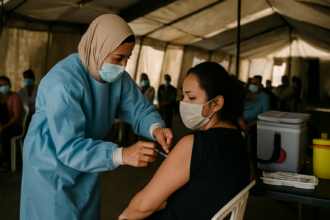
Infographic showing malnutrition statistics among Ecuadorian children by ethnicity
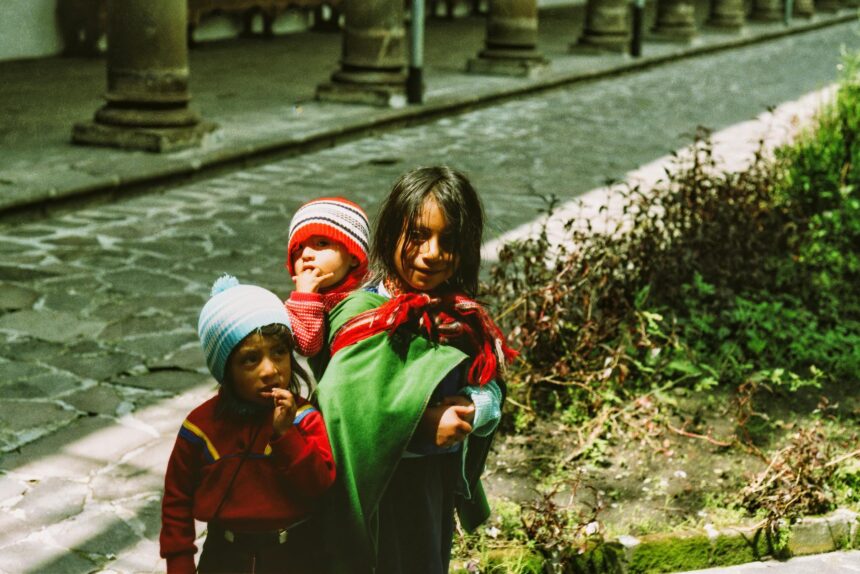
New research reveals that 73.3% of Ecuadorian children under 5 experience overlapping forms of malnutrition, with indigenous children facing the highest burden. The study identifies critical intervention windows and geographic clustering patterns. — Photo: Tom Fisk / Pexels
SHARE
1 min read|151 words

Ecuador’s new malnutrition study provides critical insights for public health practitioners: nearly three-quarters of children under five experience at least one form of malnutrition, with the most severe burden concentrated among indigenous and economically disadvantaged populations. The research identifies ages 6-23 months as a particularly critical intervention window, when simultaneous forms of malnutrition cluster most intensely.

Key findings show that 15.6% of indigenous children experience multiple overlapping conditions simultaneously, suggesting that single-issue interventions may be insufficient. Geographic clustering patterns indicate systematic inequalities rooted in unequal resource distribution rather than random occurrence, making community-level, equity-focused approaches essential.

For health systems across Latin America, these data demonstrate that effective malnutrition reduction requires integrated strategies targeting structural inequities alongside nutrition supplementation. Early identification during the critical 6-23 month period, combined with socioeconomic interventions, offers the highest potential for breaking cycles of malnutrition and improving long-term child health outcomes.

Read the full article on GMJ Newsroom.

Submit Your Paper
GMJ_Submit_Banner

Was this article helpful?

GMJ Brief · Takeaway

📰 Read the full article: Ecuador study reveals triple burden of malnutrition affecting 73% of children →

Share This Article
Facebook LinkedIn Bluesky Copy Link Print
GMJ
ByProf. Giorgi Pkhakadze
Follow:
Prof. Giorgi Pkhakadze, MD, MPH, PhD, is Editor-in-Chief of the Georgian Medical Journal and Chair of the Public Health Institute of Georgia (PHIG). He is Professor and Head of the Department of Social and Behavioural Sciences at David Tvildiani Medical University, and Secretary/Treasurer of the UEMS Section of Public Health. ORCID: 0000-0001-7609-4515.

Submit Your Paper →

Georgia's peer-reviewed open-access medical journal. No APC until January 2027.
Submit Manuscript →
Plasma protein signatures reveal how individual cell types age and predict disease risk

Plasma proteomics can measure biological aging independently in 40+ cell types, with…

Bidi Smoking Linked to Elevated Cancer Risk in Large Indian Study

A multicentre case-control study in India links bidi smoking—hand-rolled cigarettes common in…

District-Level Tobacco Control Cuts Youth Smoking in Indonesia Despite Weak National Enforcement

District-level tobacco control measures in Indonesia have reduced adolescent smoking rates despite…

Submit Your Paper to GMJ

No APC until January 2027.
Submit Manuscript →

You Might Also Like

Chart showing US dietary guidelines recommendations evolution from 2010-2030

New US Dietary Guidelines Navigate Science, Politics, and Public Health Implementation

By
Prof. Giorgi Pkhakadze
25/06/2026
Medical illustration showing polycystic ovary metabolic syndrome diagnostic criteria and symptoms

70% of Women With Polycystic Ovary Syndrome Remain Undiagnosed—New Name Aims to Change That

By
Prof. Giorgi Pkhakadze
24/06/2026
Medical illustration showing osteomyelitis bone infection with diagnostic imaging

Advanced Imaging and Oral Antibiotics Transform Osteomyelitis Clinical Practice

By
Prof. Giorgi Pkhakadze
29/06/2026
Scientific illustration showing nitrate sources and brain health impacts from vegetables versus drinking water

Study of 54,000 Adults Reveals Nitrate Source Critically Impacts Dementia Risk

By
Prof. Giorgi Pkhakadze
01/07/2026
Facebook Twitter Youtube Instagram
Company
  • Privacy Policy
  • Contact US
  • GMJ Journal
  • Submit Manuscript
  • Editorial Team
  • Register at GMJ
  • Terms of Use

Subscribe to GMJ News — Click here

Join Community
© 2026 Georgian Medical Journal (GMJ). Published by the Public Health Institute of Georgia (PHIG). All rights reserved.
Welcome Back!

Sign in to your account

Username or Email Address
Password

Lost your password?

Not a member? Sign Up