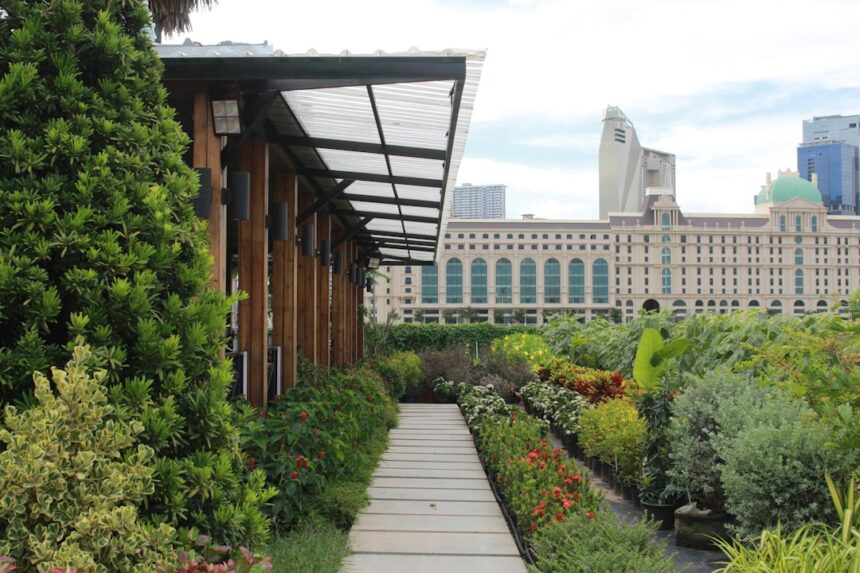
King’s College Hospital’s new ICU rooftop garden demonstrates three critical benefits that should inform future healthcare facility planning: 25% faster wound healing compared to traditional ICU rooms, 30% reduction in stress hormone levels, and maintained full life support capabilities in outdoor healing environments. These metrics represent significant clinical improvements with potential cost implications for hospital systems.
This world-first outdoor intensive care environment challenges long-standing assumptions about ICU design requirements. Healthcare administrators and architects should recognize that therapeutic garden interventions are no longer theoretical—they now represent evidence-based design principles demonstrating measurable improvements in patient outcomes. The successful integration of full life support systems with natural therapeutic elements at King’s College Hospital suggests that similarly designed facilities could improve recovery trajectories across diverse patient populations, making environmental design a critical consideration in intensive care planning.
Was this article helpful?