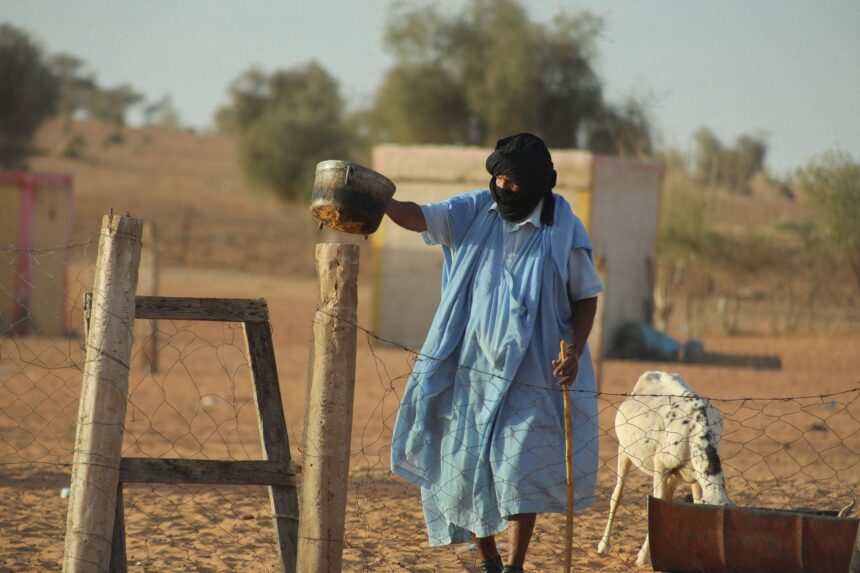
A newly published Mauritanian livestock survey provides critical data for understanding CCHFV exposure risk in endemic regions. The study identified CCHFV antibodies in 17.1% of animals tested, with cattle at higher seroprevalence than camels, confirming persistent viral circulation in domestic populations. This finding carries direct implications for human health in affected communities.
Occupational groups face elevated risk: pastoralists handling livestock, veterinarians providing animal care, and slaughterhouse workers processing infected animals all encounter potential exposure pathways through tick bites and tissue contact. The data validates a One Health approach emphasizing integrated surveillance of animal and human populations.
For public health practitioners, these results underscore the need for enhanced occupational protection protocols, continued epidemiological surveillance, and community education regarding CCHFV transmission risks. Understanding livestock seroprevalence patterns enables targeted prevention strategies in high-risk occupational settings across the Sahel and broader endemic zones.
Was this article helpful?