By using this site, you agree to the Privacy Policy and Terms of Use.
Accept
GMJ NewsGMJ NewsGMJ News
  • Latest News
    • GMJ Briefs
  • Podcast & Media
    • Podcast Episodes
    • GMJ Audio
    • GMJ Videos
  • Research Digest
    • New Studies
    • Georgian Research
    • Data & Numbers
  • Policy & Systems
    • Health Policy
    • Quality & Safety
    • Migration & Health
    • Global Health
  • Practice
    • Clinical Updates
    • Case Discussions
    • Pharmacy & Prescribing
    • Ingredients A-Z
  • Perspectives
    • Editorial
    • Explainers
    • Voices
    • Letters
  • GMJ Articles
    • Vol. 1 Issue 2 (2026)
    • Vol. 1 Issue 1 (2026)
    • Pre-Launch Articles (2025)
  • Read the Journal →
  • About GMJ News
Notification Show More
Font ResizerAa
GMJ NewsGMJ News
Font ResizerAa
  • Latest News
    • GMJ Briefs
  • Podcast & Media
    • Podcast Episodes
    • GMJ Audio
    • GMJ Videos
  • Research Digest
    • New Studies
    • Georgian Research
    • Data & Numbers
  • Policy & Systems
    • Health Policy
    • Quality & Safety
    • Migration & Health
    • Global Health
  • Practice
    • Clinical Updates
    • Case Discussions
    • Pharmacy & Prescribing
    • Ingredients A-Z
  • Perspectives
    • Editorial
    • Explainers
    • Voices
    • Letters
  • GMJ Articles
    • Vol. 1 Issue 2 (2026)
    • Vol. 1 Issue 1 (2026)
    • Pre-Launch Articles (2025)
  • Read the Journal →
  • About GMJ News
Follow US
GMJ News > Research Digest > New Studies > CCHF Virus Found in 17% of Mauritanian Livestock, New Study Shows
New StudiesResearch Digest

CCHF Virus Found in 17% of Mauritanian Livestock, New Study Shows

GMJ
Last updated: 04/06/2026 10:50
By
GMJ Research Desk
Share
5 Min Read
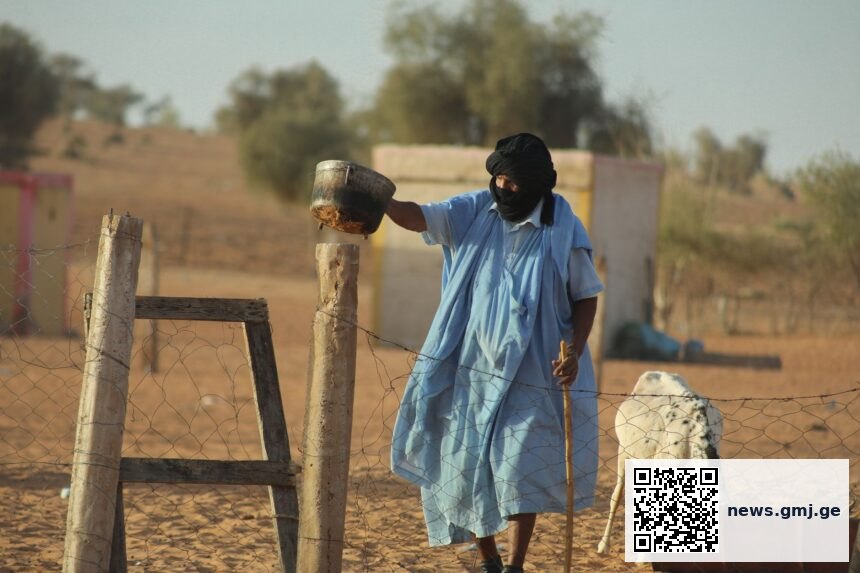
Livestock in Mauritania grazing in arid landscape representing CCHFV surveillance study
New surveillance study finds CCHFV antibodies in 17.1% of Mauritanian livestock tested between 2020-2021. Cattle showed higher infection rates than camels, highlighting ongoing viral circulation and human exposure risk. — Photo: m0us3b .1 / Pexels
SHARE
🎧 Listen to this article4:06 min · 574 words · GMJ Audio
3 min read|574 words

A new surveillance study has detected antibodies to Crimean-Congo haemorrhagic fever virus (CCHFV) in 17.1% of livestock tested in Mauritania between 2020 and 2021. The findings, published in Tropical Medicine & International Health, highlight ongoing circulation of this tick-borne pathogen among domestic animals in West Africa.

Contents
      • CCHFV Antibodies Detected Across Mauritanian Livestock
  • Higher Rates Found in Cattle Than Camels
  • Ongoing Surveillance Reveals Persistent Circulation
  • Public Health Implications for Endemic Regions
    • Key takeaways
  • Frequently asked questions
    • What is Crimean-Congo haemorrhagic fever?
    • How do livestock become infected with CCHFV?
    • What precautions should livestock workers take?
17.1%
of Mauritanian livestock tested positive for CCHFV antibodies in 2020-2021

CCHFV Antibodies Detected Across Mauritanian Livestock

Seroprevalence by animal type, 2020-2021 sampling

Cattle
19.2%
Camels
15.8%
Overall
17.1%

Source: Tropical Medicine & International Health, 2024 | Georgian Medical Journal News

Higher Rates Found in Cattle Than Camels

The study tested 380 animals across Mauritania, finding significantly higher seroprevalence rates in cattle (19.2%) compared to camels (15.8%). These findings align with previous research from the World Health Organization showing widespread CCHFV circulation among livestock in endemic regions.

Submit Your Paper
GMJ_Submit_Banner

CCHFV causes a severe viral haemorrhagic fever with case fatality rates ranging from 10% to 40%, according to CDC surveillance data. The virus is primarily transmitted to humans through tick bites or direct contact with infected animal blood and tissues during slaughter or veterinary procedures.

🎙️ Related Podcast Episodes
🎧 #14 | WHO: Four in Ten Cancer Cases Could Be Prevented Globally · 16m

Ongoing Surveillance Reveals Persistent Circulation

The 2020-2021 sampling represents an update to previous Mauritanian surveillance efforts, demonstrating continued viral circulation in domestic livestock populations. This persistent seroprevalence indicates ongoing risk for human exposure, particularly among pastoralists, slaughterhouse workers, and veterinarians working with these animals.

Mauritania’s position in the Sahel region places it within the broader CCHFV endemic zone that extends across Africa, the Middle East, and parts of Asia. The latest surveillance data from across the region show similar patterns of livestock infection supporting viral maintenance in tick-animal cycles.

Public Health Implications for Endemic Regions

The study’s findings underscore the need for enhanced surveillance and prevention measures in areas where humans have close contact with livestock. The research contributes to growing evidence that domestic animals serve as important amplifying hosts for CCHFV in West African contexts.

Previous research has shown that global health surveillance efforts for tick-borne diseases remain critical for early detection and prevention of human outbreaks. The consistent detection of CCHFV antibodies in Mauritanian livestock populations supports continued investment in One Health approaches to disease surveillance.

CCHFV seroprevalence reached 17.1% across tested livestock populations, with cattle showing higher infection rates than camels during the 2020-2021 surveillance period.

— Research team, Tropical Medicine & International Health (2024)

Key takeaways

  • 17.1% of tested Mauritanian livestock showed evidence of CCHFV infection
  • Cattle had higher seroprevalence rates (19.2%) than camels (15.8%)
  • Findings demonstrate ongoing viral circulation and human exposure risk

Frequently asked questions

What is Crimean-Congo haemorrhagic fever?

CCHFV is a tick-borne virus that causes severe viral haemorrhagic fever in humans, with case fatality rates of 10-40%. It circulates between ticks and domestic/wild animals, with humans infected through tick bites or contact with infected animal blood.

How do livestock become infected with CCHFV?

Animals are infected primarily through tick bites from infected Hyalomma species ticks. Livestock typically show no clinical signs of infection but develop antibodies, making them important reservoirs for maintaining the virus in nature.

What precautions should livestock workers take?

Workers should use protective equipment when handling animals, especially during slaughter or veterinary procedures. Tick control measures and avoiding contact with animal blood and tissues can reduce transmission risk to humans.

The continued surveillance of CCHFV in Mauritanian livestock populations provides critical baseline data for public health preparedness and risk assessment. As climate change and human-animal interactions evolve, such monitoring efforts will become increasingly important for preventing spillover events and protecting vulnerable populations across the Sahel region.

Source: Short Report: Update on CCHFV Seroprevalence in Mauritanian Camels and Cattle Sampled Between 2020 and 2021

Was this article helpful?

Disclaimer. This article is health journalism intended for general information and education. It is not medical advice and is not a substitute for professional diagnosis or treatment. Always consult a qualified healthcare provider about your individual circumstances. Full disclaimer →

Related Coverage

L-Theanine Shifts Brain Waves Toward Calm Focus Without Sedation, Research ShowsJul 24, 2026
Animal Protein's Muscle-Building Edge Disappears When Measured Over Days, Not HoursJul 24, 2026
Mitochondrial metabolism reshapes immunity, stem cells, and tumour developmentJul 24, 2026
Three-quarters of the world falls short on omega-3: why 250 mg daily is not optionalJul 24, 2026
PG
Written by
Prof. Giorgi Pkhakadze, MD, MPH, PhD
Editor-in-Chief, GMJ News
Full profile →  ·  ORCID 0000-0001-7609-4515
Medical disclaimer. This article is health journalism intended for general information. It is not medical advice and is not a substitute for consultation with a qualified healthcare professional. Always seek your physician's advice regarding any medical condition.
Medically reviewed by Prof. Giorgi Pkhakadze, MD, MPH, PhD. Spotted an error? Contact the editorial team.

Get the GMJ News digest
Evidence-based health journalism in your inbox. No spam; unsubscribe anytime.
TAGGED:CCHFVlivestock surveillanceMauritaniatick-borne diseaseViral hemorrhagic fever
Share This Article
Facebook LinkedIn Bluesky Copy Link Print
GMJ
ByGMJ Research Desk
Follow:
GMJ Research Desk is part of GMJ News, the newsroom of the Georgian Medical Journal (gmj.ge), published by the Public Health Institute of Georgia. Every article is editorially reviewed before publication.
Leave a Comment Leave a Comment

Leave a Reply Cancel reply

Your email address will not be published. Required fields are marked *

Submit Your Paper →

Georgia's peer-reviewed open-access medical journal. No APC until January 2027.
Submit Manuscript →
L-Theanine Shifts Brain Waves Toward Calm Focus Without Sedation, Research Shows

L-theanine, an amino acid in green tea, promotes calm alertness by shifting…

Animal Protein’s Muscle-Building Edge Disappears When Measured Over Days, Not Hours

A 2023 study found that animal protein triggers 47% higher muscle protein…

Mitochondrial metabolism reshapes immunity, stem cells, and tumour development

Mitochondrial TCA cycle intermediates function as master regulators of immune responses, stem…

Submit Your Paper to GMJ

No APC until January 2027.
Submit Manuscript →

You Might Also Like

Chart comparing protein dose-response evidence from 2009 to 2023 showing increasing efficacy of higher doses with whole-body exerciseIllustrative image · Photo by Valeria Boltneva on Pexels (Pexels License)
ExplainersNew StudiesPerspectivesResearch Digest

The 30-gram protein myth: why recent evidence challenges the fitness industry’s most durable claim

By
GMJ Perspectives Desk
16/07/2026
Brain illustration showing cognitive effects of ultra-processed foods consumptionIllustrative image · Photo by Kenneth Surillo on Pexels (Pexels License)
New StudiesResearch Digest

Ultra-processed foods linked to cognitive decline despite healthy diets, study finds

By
GMJ Research Desk
06/07/2026
Medical illustration showing sleep deprivation effects on cardiovascular inflammation markers
New StudiesResearch Digest

Short Sleep Triggers Persistent Inflammation That Raises Heart Disease Risk by 34%

By
GMJ Research Desk
23/05/2026
Medical illustration showing gene therapy delivery to brain regions affected by Parkinson's diseaseIllustrative image · Photo by Sangharsh Lohakare on Unsplash (Unsplash License)
Clinical UpdatesNew StudiesPracticeResearch Digest

First Dual-Target Gene Therapy for Parkinson’s Disease Shows Promise in Early Trial

By
GMJ Practice Desk
06/07/2026
Facebook Twitter Youtube Instagram
Company
  • Privacy Policy
  • Contact US
  • GMJ Journal
  • Submit Manuscript
  • Editorial Team
  • Register at GMJ
  • Terms of Use

Subscribe to GMJ News — Click here

Join Community
© 2026 Georgian Medical Journal (GMJ). Published by the Public Health Institute of Georgia (PHIG). All rights reserved.
Welcome Back!

Sign in to your account

Username or Email Address
Password

Lost your password?

Not a member? Sign Up