


Home › Topics › Crimean-Congo Haemorrhagic Fever
Crimean-Congo Haemorrhagic Fever
GMJ News knowledge hub · last reviewed September 2026 · Georgian Medical Journal
SummaryStatisticsGlossaryGMJ newsFAQDocumentsOrganizationsResearch
Crimean-Congo haemorrhagic fever (CCHF) — caused by CCHF virus (a Nairovirus) transmitted by Hyalomma ticks — is one of the most feared tick-borne viral diseases globally, with case fatality rates of 10-40% and no approved vaccine or specific antiviral treatment (WHO). A WHO R&D Blueprint priority pathogen, CCHF is endemic across Africa, the Balkans, the Middle East and Central Asia — covering over 30 countries — with the geographic range of Hyalomma ticks actively expanding into previously unaffected European countries including Spain, France and Germany, driven by climate change.
Key messages
10-40% case fatality — expanding globally
Crimean-Congo haemorrhagic fever (CCHF) — caused by CCHF virus transmitted by Hyalomma ticks — has a case fatality rate of 10-40% and is expanding its geographic range into previously unaffected European countries as tick habitats expand with climate change (WHO).
WHO R&D Blueprint priority pathogen
CCHF is on the WHO R&D Blueprint list of priority pathogens — alongside Ebola, Nipah and Lassa — because of its potential for nosocomial spread, high case fatality, and absence of approved vaccines or effective antivirals.
Endemic across 30+ countries
CCHF is endemic across Africa, the Balkans (Turkey, Bulgaria, Kosovo, Serbia), the Middle East, and Central Asia — with Turkey reporting the highest case burden (hundreds of cases annually). Spain, Germany and France have documented autochthonous cases as Hyalomma ticks expand northward.
Healthcare worker risk
Nosocomial CCHF transmission — to healthcare workers without PPE, through blood or body fluids of infected patients — has caused multiple hospital outbreaks. Strict contact and droplet precautions and PPE are essential when CCHF is suspected.
Ribavirin — limited evidence
Ribavirin is recommended by WHO based on in vitro activity and observational studies, though randomised trial evidence is limited. Early initiation (within 4 days of symptoms) is most important.
Tick prevention is primary
Personal protection measures: avoiding tick habitats; use of repellents; regular tick checks; proper tick removal; and livestock tick control are the primary prevention strategies in endemic areas.
Key statistics
CCHF cases by region — WHO reported data trend
Source: WHO. Turkey reports the most cases; Africa substantially underreported.
Glossary of key terms
Latest GMJ coverage

Uganda Confirms First Marburg Case Amid Ongoing Ebola Outbreak
06/07/2026

UK Health Security Agency Issues Updated Hantavirus Guidance as Rare Disease Remains Critical Health Concern
17/06/2026
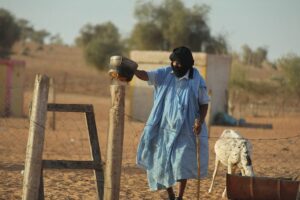
CCHF Virus Found in 17% of Mauritanian Livestock, New Study Shows
05/06/2026

UK Health Agency Identifies Countries with High Consequence Infectious Disease Occurrence
21/05/2026

Brown Dog Tick Linked to Fatal SFTS Case with Multiorgan Failure in Thailand
09/06/2026

First clinical trial launches to find effective treatments for Bundibugyo virus disease
16/09/2026
Frequently asked questions 12 Q&A — structured for Google featured snippets and AI discovery
Knowledge hub: guidelines, conventions and reports
Organizations working in migration and health
Related health topics
EbolaLassa feverHealth emergenciesOne HealthWest Nile (tick/vector)Patient safety (PPE)
About this hub. Produced by the GMJ News Editorial Team as a public-good service. Every statistic is linked to its primary source. Documents are preserved in the GMJ Repository with full attribution. Georgian Medical Journal · Contact the editorial team