


One Health
GMJ News knowledge hub · last reviewed August 2026 · Georgian Medical Journal
SummaryStatisticsGlossaryGMJ newsFAQDocumentsOrganizationsResearch
One Health is an integrated, unifying approach recognising that the health of people, animals and the environment are intimately interconnected and interdependent: approximately 60% of known infectious diseases are zoonotic — transmitted between animals and humans — and 75% of emerging infectious diseases originate in animals (WHO). Antimicrobial resistance, food safety, climate change, deforestation and the pandemic threat are all inherently One Health challenges requiring coordinated human, animal and environmental health responses. The WHO/FAO/UNEP/WOAH Quadripartite Joint Plan of Action 2022-2026 is the global framework for One Health implementation.
Key messages
One concept — three health sectors
One Health is the integrated approach recognising that human health, animal health and environmental health are interdependent. The most critical health threats — pandemic zoonoses, AMR, food safety, climate change — cannot be addressed from a single sectoral perspective.
60% of human infections are zoonotic
60% of all known human infectious diseases are zoonotic — originating in animals. 75% of emerging infectious diseases (HIV, Ebola, SARS, COVID-19, H5N1) have animal origins. Preventing zoonotic spillover is a core One Health function.
Quadripartite framework
The Quadripartite — WHO, FAO, UNEP and WOAH (OIE) — is the intergovernmental backbone of One Health, codified in the 2022 Joint Plan of Action. It coordinates across human health, animal health and environmental health sectors.
AMR is the paradigm case
Antimicrobial resistance is the clearest example of why One Health is essential: antibiotic use in agriculture generates resistant bacteria that enter the food chain, environment and human population. Only coordinated One Health action can address AMR effectively.
COVID-19 — the One Health failure
COVID-19 emerged from an animal reservoir (likely bats, possibly via intermediate hosts) and became a pandemic partly because: wildlife trade continued unchecked; surveillance of human-animal interfaces was inadequate; and pandemic preparedness was siloed between human and animal health sectors.
High-Level Expert Panel recommendation
The One Health High-Level Expert Panel (OHHLEP) — convened by the Quadripartite — produced the first formal One Health definition and a set of priority actions in 2021, providing the scientific basis for the Quadripartite Joint Plan of Action.
Key statistics
Zoonotic origins of major infectious disease outbreaks 1940-2020 — WHO/EcoHealth Alliance
Source: EcoHealth Alliance / WHO. The majority of emerging infectious diseases originate in wildlife.
Glossary of key terms
Latest GMJ coverage

WHO and BBC Launch Global Series on Animal-Human Health Connections
24/06/2026
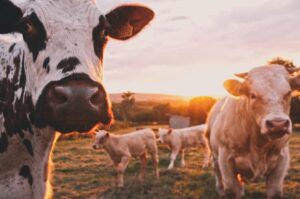
Global Animal Disease Control Reaches Major Milestone as WOAH Announces New Health Status Recognitions
23/06/2026

WHO, FAO, and WOAH Launch Unified One Health Learning Platform
20/06/2026

WOAH Adopts Strategic Plan to Combat Global Animal Disease Threats Through 2031
20/06/2026

Common Farm Chemicals May Fuel Deadly Hospital Infections, UK Scientists Warn
13/06/2026
📰
Global Antimicrobial Resistance Investment Falls Short of UN Commitments
28/05/2026
Frequently asked questions 12 Q&A — structured for Google featured snippets and AI discovery
Knowledge hub: guidelines, conventions and reports
Organizations working in migration and health
Related health topics
AMRFood safetyRabiesEbolaClimate and healthNTDs
About this hub. Produced by the GMJ News Editorial Team as a public-good service. Every statistic is linked to its primary source. Documents are preserved in the GMJ Repository with full attribution. Georgian Medical Journal · Contact the editorial team