By using this site, you agree to the Privacy Policy and Terms of Use.
Accept
GMJ NewsGMJ NewsGMJ News
  • Latest News
    • GMJ Briefs
  • Podcast & Media
    • Podcast Episodes
    • GMJ Audio
    • GMJ Videos
  • Research Digest
    • New Studies
    • Georgian Research
    • Data & Numbers
  • Policy & Systems
    • Health Policy
    • Quality & Safety
    • Migration & Health
    • Global Health
  • Practice
    • Clinical Updates
    • Case Discussions
    • Pharmacy & Prescribing
    • Ingredients A-Z
  • Perspectives
    • Editorial
    • Explainers
    • Voices
    • Letters
  • Health Topics
  • GMJ Articles
    • Vol. 1 Issue 2 (2026)
    • Vol. 1 Issue 1 (2026)
    • Pre-Launch Articles (2025)
  • Read the Journal →
  • About GMJ News
Notification Show More
Font ResizerAa
GMJ NewsGMJ News
Font ResizerAa
  • Latest News
    • GMJ Briefs
  • Podcast & Media
    • Podcast Episodes
    • GMJ Audio
    • GMJ Videos
  • Research Digest
    • New Studies
    • Georgian Research
    • Data & Numbers
  • Policy & Systems
    • Health Policy
    • Quality & Safety
    • Migration & Health
    • Global Health
  • Practice
    • Clinical Updates
    • Case Discussions
    • Pharmacy & Prescribing
    • Ingredients A-Z
  • Perspectives
    • Editorial
    • Explainers
    • Voices
    • Letters
  • Health Topics
  • GMJ Articles
    • Vol. 1 Issue 2 (2026)
    • Vol. 1 Issue 1 (2026)
    • Pre-Launch Articles (2025)
  • Read the Journal →
  • About GMJ News
Follow US
GMJ News > GMJ Briefs > What NIAID’s Latest Leadership Transition Means for US Biosafety

What NIAID’s Latest Leadership Transition Means for US Biosafety

GMJ
Last updated: 07/08/2026 07:06
By
Prof. Giorgi Pkhakadze
Share
1 Min Read
NIAID headquarters building representing federal infectious disease research leadership
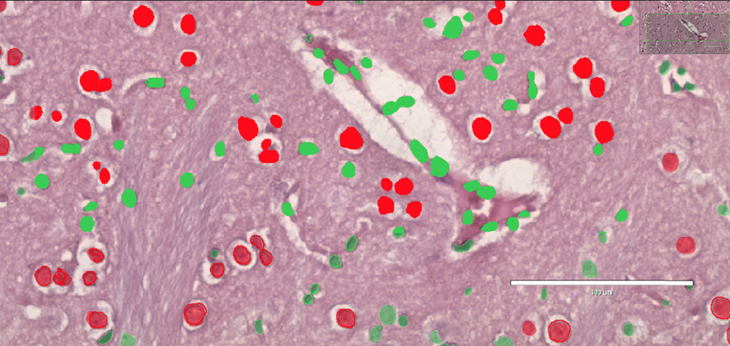
Dr. Jeffery Taubenberger has resigned as acting NIAID director after 13 months, leaving the institute without permanent leadership since 2022. The departure raises questions amid ongoing laboratory safety concerns involving high-risk pathogens. — Immunohistochemistry technologies with AI.png by MykhailoPervak / CC BY 4.0 via Wikimedia Commons (CC BY 4.0)
SHARE
1 min read|139 words

The resignation of NIAID’s acting director highlights three critical developments affecting America’s infectious disease research infrastructure. First, the institute continues operating without permanent leadership, creating potential gaps in strategic planning and policy implementation. Second, federal oversight of laboratory safety has intensified, with the CDC conducting enhanced reviews of containment protocols at institutions handling Ebola, hantavirus, and other high-risk pathogens.

Third, and most importantly for the research community, these transitions occur while institutions nationwide strengthen biosafety measures. The prolonged leadership uncertainty may complicate efforts to implement coordinated safety improvements across NIAID’s network of biosafety level 3 and 4 laboratories. Research institutions and federal agencies must ensure that leadership transitions do not compromise the rigorous oversight necessary to protect both laboratory personnel and public health. Stakeholders should monitor whether a permanent director is appointed promptly to provide stable governance during this critical period.

Was this article helpful?

GMJ Brief · Takeaway

📰 Read the full article: Acting NIAID Chief Steps Down as Lab Safety Concerns Mount →

Share This Article
Facebook LinkedIn Bluesky Copy Link Print
GMJ
ByProf. Giorgi Pkhakadze
Follow:
Prof. Giorgi Pkhakadze, MD, MPH, PhD, is Editor-in-Chief of the Georgian Medical Journal and Chair of the Public Health Institute of Georgia (PHIG). He is Professor and Head of the Department of Social and Behavioural Sciences at David Tvildiani Medical University, and Secretary/Treasurer of the UEMS Section of Public Health. ORCID: 0000-0001-7609-4515.

Submit Your Paper →

Georgia's peer-reviewed open-access medical journal. No APC until January 2027.
Submit Manuscript →
Creatine and Kidney Damage: What the Evidence Actually Shows

A 2025 systematic review of 21 studies and analysis of 685 clinical…

How neurotransmitters orchestrate mood, sleep, and cognition: a biochemical primer

Brain function depends on chemical communication between neurons through neurotransmitters. Twelve major…

Vitamin D’s Role in Alzheimer’s Tau Accumulation: New Evidence from Framingham Heart Study

A 16-year analysis from the Framingham Heart Study finds that higher vitamin…

Submit Your Paper to GMJ

No APC until January 2027.
Submit Manuscript →

You Might Also Like

Global HealthPolicy & SystemsQuality & Safety

Magnitude 7.5 earthquake strikes Venezuela; USGS issues highest alert level

By
Prof. Giorgi Pkhakadze
25/06/2026
Scientific illustration showing L-arginine molecular structure and brain blood vessel network

Clinical Trial Results: L-Arginine Boosts Brain Blood Flow by 15-20%

By
Prof. Giorgi Pkhakadze
07/06/2026
Global HealthPolicy & Systems

Ebola Outbreak in Democratic Republic of Congo Prompts WHO Emergency Declaration as Cases Cross Border

By
Prof. Giorgi Pkhakadze
31/05/2026
Brain diagram showing word processing and filtering mechanisms

What Pre-Conscious Word Filtering Means for Mental Health and Cognitive Research

By
Prof. Giorgi Pkhakadze
28/07/2026
Facebook Twitter Youtube Instagram
Company
  • Privacy Policy
  • Contact US
  • GMJ Journal
  • Submit Manuscript
  • Editorial Team
  • Register at GMJ
  • Terms of Use

Subscribe to GMJ News — Click here

Join Community
© 2026 Georgian Medical Journal (GMJ). Published by the Public Health Institute of Georgia (PHIG). All rights reserved.
Welcome Back!

Sign in to your account

Username or Email Address
Password

Lost your password?

Not a member? Sign Up