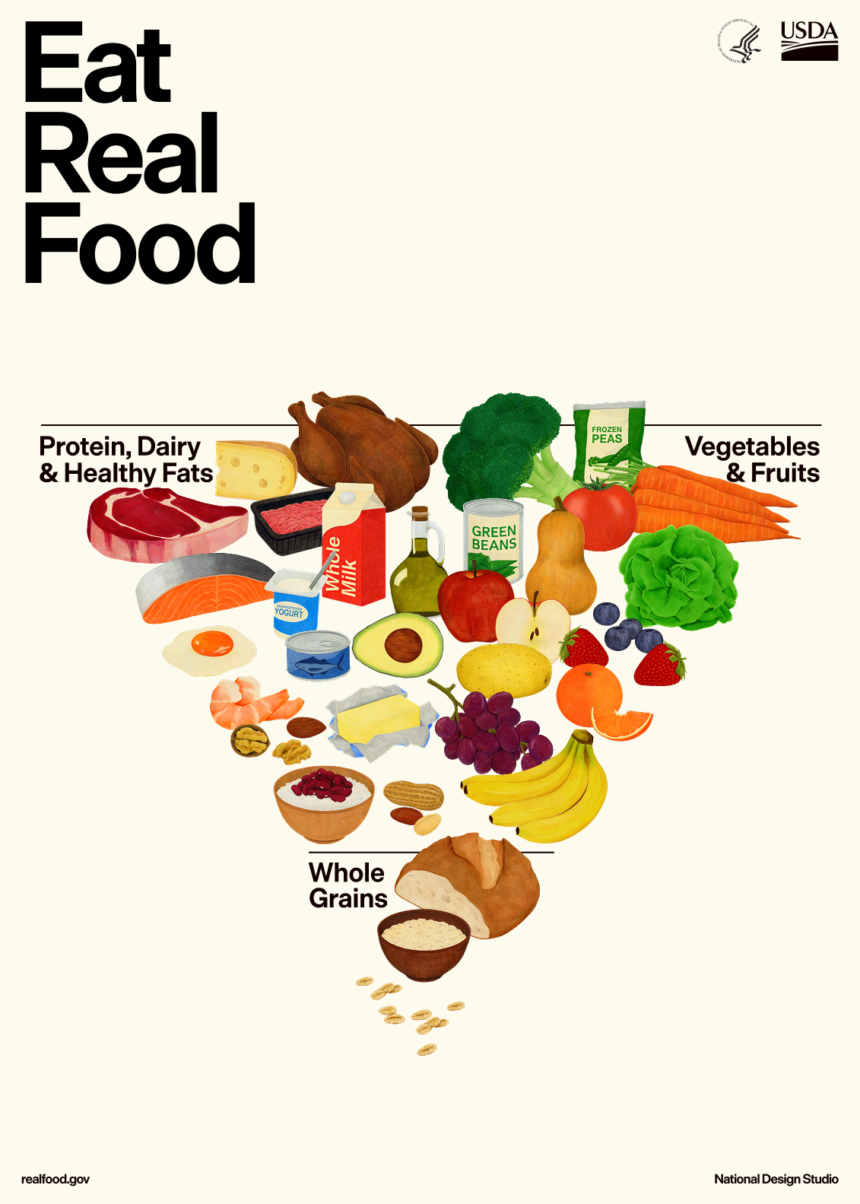
The latest US Dietary Guidelines offer three critical takeaways for clinical practice. First, core recommendations for fruits, vegetables, and whole grains remain evidence-based and consistent, providing stable guidance for patient counseling despite evolving scientific understanding. Second, implementation barriers persist across all demographic groups, requiring clinicians to address structural factors—food access, affordability, cultural preferences—when discussing dietary changes with patients.
Third, ultra-processed foods remain inadequately addressed in guideline enforcement despite accumulating evidence of health risks. This gap reflects the ongoing tension between comprehensive scientific evidence and policy implementation influenced by economic interests.
For healthcare providers, these guidelines underscore the importance of individualized approaches that acknowledge real-world barriers patients face. Health equity considerations now integrated into recommendations suggest that effective dietary guidance requires attention to social determinants alongside nutritional science. Read the full article on GMJ Newsroom.
Was this article helpful?